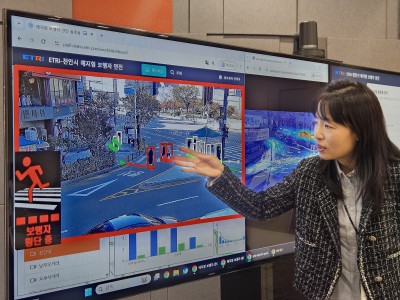
Researchers from the Korea Electronics Technology Institute (ETRI) have unveiled a groundbreaking technology aimed at enhancing pedestrian safety at intersections. This new Predictive Pedestrian Safety AI Service is designed to analyze traffic patterns and predict potential hazards, laying the groundwork for a significant improvement in traffic safety measures across South Korea.
The innovative system employs advanced algorithms to monitor real-time traffic conditions and pedestrian movements. By integrating data from various sources, including traffic cameras and sensors, the AI can anticipate dangerous situations before they escalate. This proactive approach is expected to greatly reduce the incidence of pedestrian accidents, particularly in busy urban areas.
Testing and Future Implementation
The technology has undergone rigorous testing in collaboration with several local governments, demonstrating promising results in simulated environments. According to ETRI, initial trials indicate a potential reduction in pedestrian accidents by over 30% once the system is fully implemented. The organization plans to commercialize the service in the near future, which could lead to its adoption not only in South Korea but also in other countries facing similar traffic safety challenges.
Officials from ETRI emphasized the importance of this development for urban planning and traffic management. The AI service aims to foster a safer environment for pedestrians, particularly in high-traffic areas where accidents are more likely to occur. The implementation of such technology aligns with global efforts to enhance road safety and promote smart city initiatives.
Global Impact on Traffic Safety
As cities worldwide grapple with increasing pedestrian traffic and safety concerns, the introduction of predictive AI services could represent a pivotal shift in how traffic safety is approached. The integration of artificial intelligence in everyday urban infrastructure has the potential to save lives and reduce injuries associated with pedestrian accidents.
ETRI’s initiative comes at a crucial time when pedestrian safety is a pressing issue for many urban centers. According to a report from the World Health Organization, approximately 1.3 million people die each year due to road traffic accidents, with pedestrians accounting for a significant portion of these fatalities. The success of this AI service could inspire similar projects globally, ultimately aiming to create safer streets for everyone.
In conclusion, the launch of Korea’s first Predictive Pedestrian Safety AI Service marks a significant milestone in the quest for improved traffic safety. By harnessing the power of technology, researchers are paving the way for innovative solutions that could transform urban transportation and protect vulnerable road users.