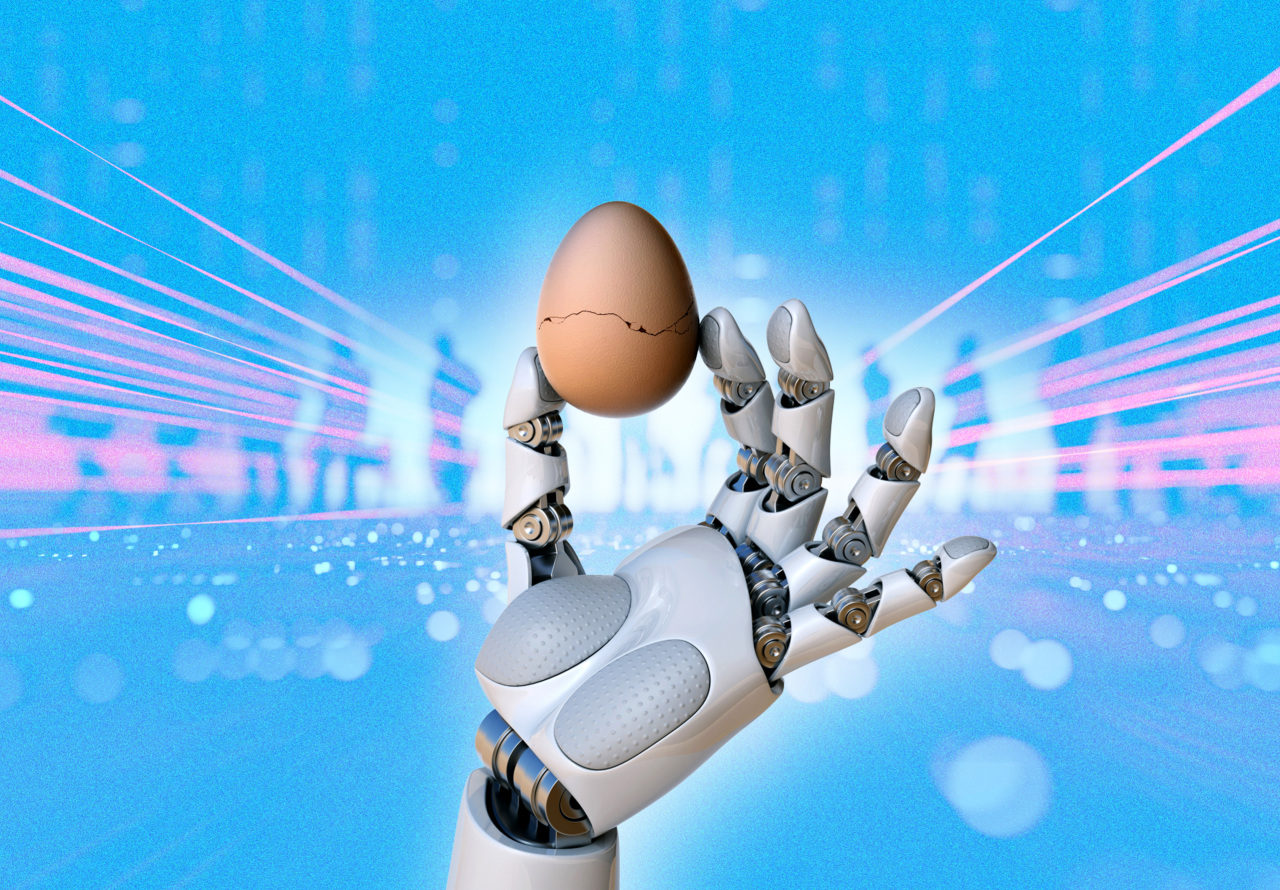
The global market for humanoid robots is projected to reach a staggering $5 trillion as technological advancements continue to evolve. However, experts warn that it will take years of development and significant improvements to realize this potential fully.
According to a recent report from the International Federation of Robotics, the increasing demand for robots that can replicate human behavior is paving the way for this substantial market growth. The report highlights that while the concept of humanoid robots has generated excitement, the actual implementation and integration into everyday life remain complex challenges.
Current State of Humanoid Robotics
In 2023, the field of humanoid robotics is still in its infancy. Most existing robots can perform limited tasks, such as basic customer service or assistance in environments like hospitals and airports. These robots often lack the advanced capabilities required to engage in more sophisticated interactions with humans.
The Boston Consulting Group emphasizes that significant technological advancements are necessary to enhance the functionality of humanoid robots. For instance, improvements in artificial intelligence, machine learning, and sensory technology are crucial for robots to understand and respond to human emotions effectively. This level of sophistication is essential to gain consumer trust and acceptance.
Challenges Ahead for Development
Despite the promising market forecasts, several hurdles must be overcome. Engineers and developers face challenges in creating robots that can navigate complex environments safely and efficiently. The need for robust safety protocols is paramount, particularly in settings where humanoid robots will interact closely with humans.
Moreover, the integration of humanoid robots into the workforce raises ethical considerations. Concerns about job displacement and the implications for human employment must be addressed. Policymakers and industry leaders will need to collaborate on regulations that ensure a balanced approach to automation and labor.
The road to a $5 trillion humanoid robot market is fraught with challenges, but the potential benefits are substantial. If these advancements are successfully achieved, humanoid robots could revolutionize industries, enhance productivity, and improve quality of life.
In conclusion, while the vision of humanoid robots as ubiquitous companions and assistants is enticing, the journey to that reality will take time. Stakeholders across various sectors must remain patient and committed to the ongoing development of this transformative technology.