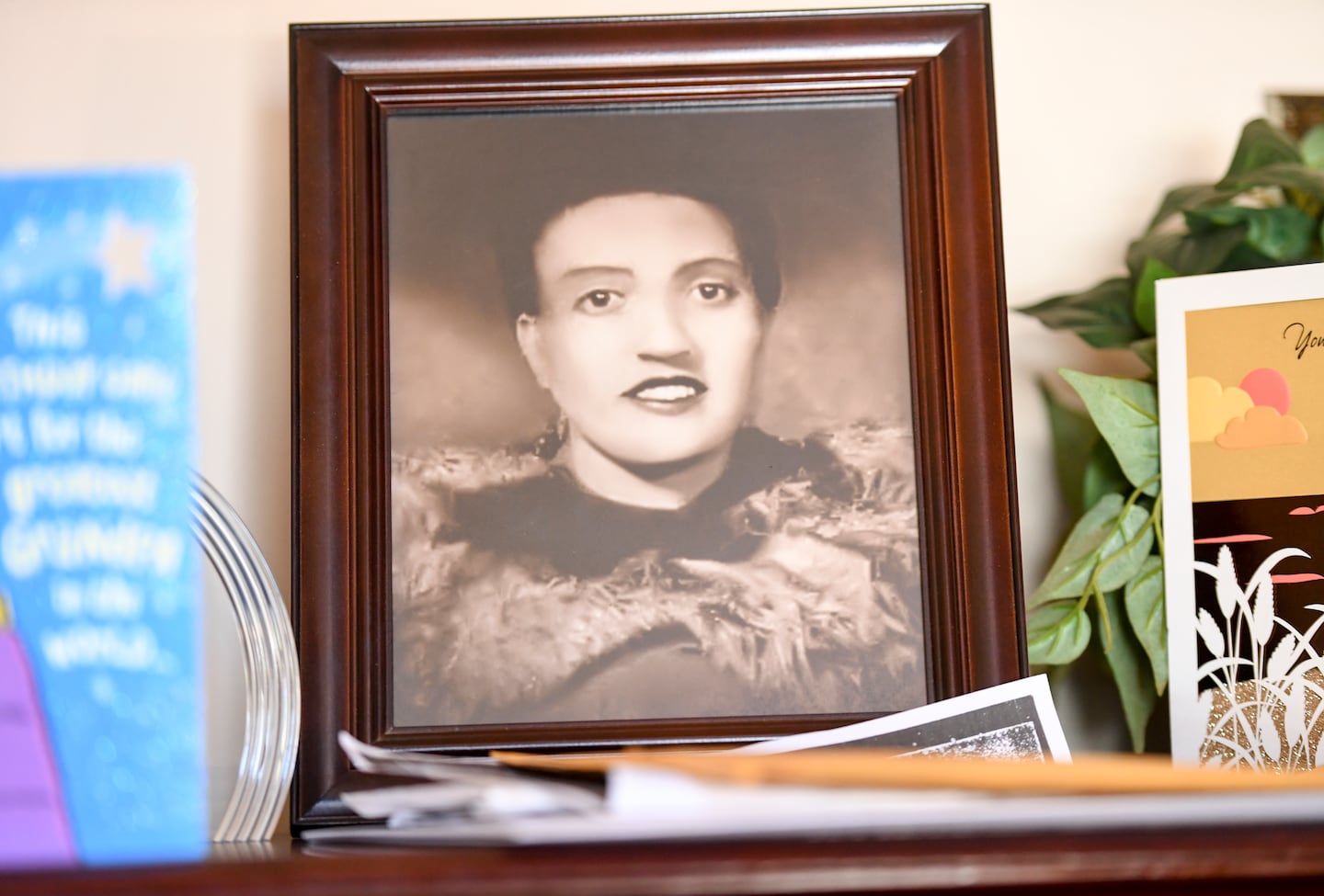
Seventy-five years ago, the legacy of Henrietta Lacks began without her knowledge when doctors at Johns Hopkins Hospital harvested cells from her body, leading to monumental advancements in medical research. Lacks, an African American woman diagnosed with cervical cancer, unknowingly became part of a groundbreaking discovery when her cells, later named HeLa cells, were cultured and found to grow indefinitely. These cells have played a crucial role in the development of vaccines and treatments for diseases such as polio, HPV, HIV/AIDS, and leukemia.
Lacks passed away in 1951, but her contribution to science continues to resonate today. Researchers across the globe reflect on the profound impact of HeLa cells on their work, along with the ethical implications surrounding informed consent in medical research. “To the modern researcher, the fact that cells were taken and established into an immortalized, forever-growing cell line from a patient that didn’t know that happened is astounding,” said Cigall Kadoch, an associate professor of pediatric oncology at Dana-Farber Cancer Institute and Harvard Medical School.
Lacks’s story gained further visibility with the publication of Rebecca Skloot‘s 2010 book, “The Immortal Life of Henrietta Lacks.” More recently, her family reached a confidential settlement with Thermo Fisher Scientific in 2023, claiming the company profited from a system that exploited the contributions of marginalized communities. Earlier this month, they also settled with Novartis, a Swiss-based pharmaceutical company.
Born in 1920 in Roanoke, Virginia, Lacks worked on a tobacco farm before marrying David “Day” Lacks in 1941 and raising five children. Her visit to Johns Hopkins on February 1, 1951, marked a turning point in medical history. After being diagnosed with cervical cancer, Lacks signed a consent form for surgery without fully understanding its implications. During her treatment, samples of her tumor and healthy cells were taken by Dr. George Gey, who later discovered that her cells could survive and replicate indefinitely. He named the cell line HeLa, derived from the first two letters of her first and last names.
The scientific community rapidly recognized the potential of HeLa cells. Dr. Sabrina Assoumou, an infectious disease physician at Boston Medical Center, credits much of her research in HIV to the fundamental studies conducted using HeLa cells. Her current project aims to make a long-acting HIV medication, Sunlenca, available for patients to administer at home. Assoumou emphasizes the importance of HeLa cells in understanding HIV infection pathways and developing effective treatments.
Research utilizing HeLa cells has led to significant breakthroughs in understanding cancer as well. Kadoch’s lab employs HeLa cells in gene sequencing efforts to uncover the genetic basis of various cancers. Despite the challenges of maintaining consistent cell lines due to environmental factors, Kadoch notes, “Cancer is not one disease, but a very diverse, heterogeneous collection of many different diseases.” She advocates for a deeper appreciation of the contributions made by patients like Lacks and emphasizes that informed consent is crucial for equitable research practices.
The story of Henrietta Lacks has not only transformed scientific research but has also prompted a reevaluation of ethical standards. Assoumou contributed to a course at Boston Medical Center aimed at educating medical interpreters about the historical context of medical mistrust, including cases like Lacks’s and the Tuskegee syphilis study. This initiative seeks to empower interpreters to advocate effectively for patients who may face communication barriers in clinical settings.
As researchers continue to build on the foundation laid by HeLa cells, the need for diverse representation in clinical studies remains paramount. Kadoch remarks, “We’ll do a better job for our worldly effort against cancer if we understand the heterogeneous repertoire of individuals that get these diseases and the type of genes that are contributing to these diseases.”
Both Assoumou and Kadoch acknowledge their responsibility to honor Lacks’s legacy. Kadoch stresses the importance of recognizing the origins of research materials, stating, “Know what you work with, and where it came from.” The profound impact of Henrietta Lacks’s cells continues to shape medical research and ethical standards, ensuring that her story is remembered and respected in the ongoing pursuit of scientific advancement.