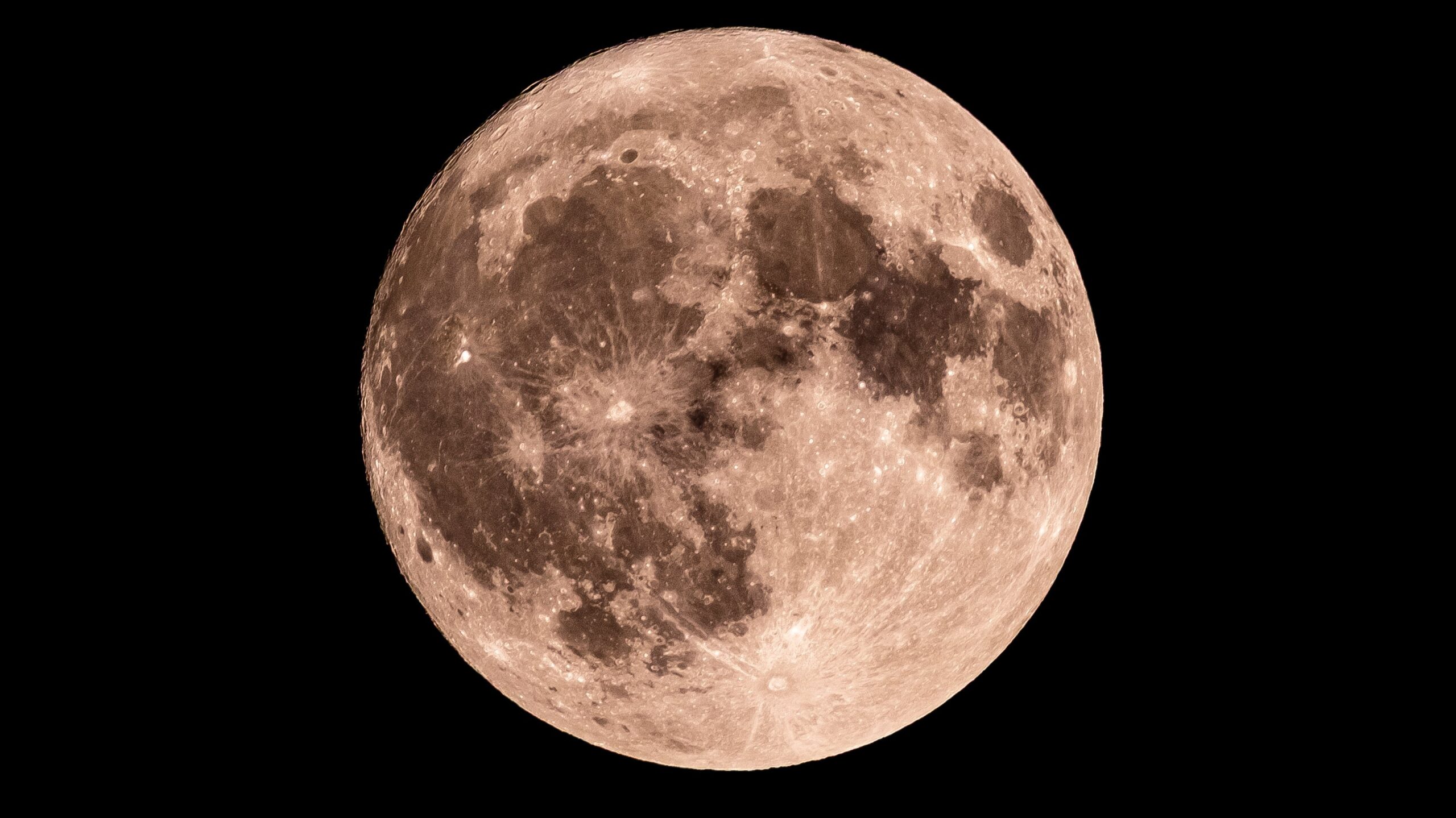
The night of January 3, 2024, will feature a spectacular Full Moon, known as the ‘Wolf Moon’. This marks the fourth consecutive supermoon, a phenomenon where the Moon appears larger and brighter due to its proximity to Earth. As of today, the Moon will be fully illuminated, with 100% of its surface visible, according to data from The Sky Live.
Understanding Moon Phases and Their Significance
The concept of moon phases is rooted in the Moon’s orbit around Earth, which takes approximately 29.5 days to complete a full cycle. This cycle is commonly referred to as the lunar cycle. Throughout this period, the Moon transitions through a series of eight distinct phases, influenced by the amount of sunlight that reflects off its surface.
These phases include:
– **New Moon**: The Moon is positioned between Earth and the Sun, rendering it invisible from our perspective.
– **Waxing Crescent**: A small sliver of light begins to appear on the right side (in the Northern Hemisphere).
– **First Quarter**: Half of the Moon is illuminated, creating the recognizable half-moon shape.
– **Waxing Gibbous**: More than half of the Moon is lit, but it has not yet reached full illumination.
– **Full Moon**: The entire face of the Moon is fully visible and glowing.
– **Waning Gibbous**: The Moon starts to lose light, beginning on the right side.
– **Third Quarter (or Last Quarter)**: Another half-moon, this time with the left side illuminated.
– **Waning Crescent**: A thin sliver of light remains before the Moon goes dark again.
According to NASA, the cyclical nature of these phases significantly affects various natural phenomena on Earth, including tides and nocturnal wildlife behavior.
Looking Ahead: Future Lunar Events
Following the January Full Moon, the next lunar event will occur on February 1, 2024, when another Full Moon will grace the night sky. As lunar enthusiasts prepare for this celestial display, the January ‘Wolf Moon’ serves as a reminder of the beauty and complexity of the natural world.
In summary, the January 3 Full Moon not only captivates stargazers but also offers a chance to reflect on the ongoing relationship between the Earth and its only natural satellite. As this lunar cycle unfolds, observers can expect to witness the Moon transform through its various phases, each bringing its own unique charm.