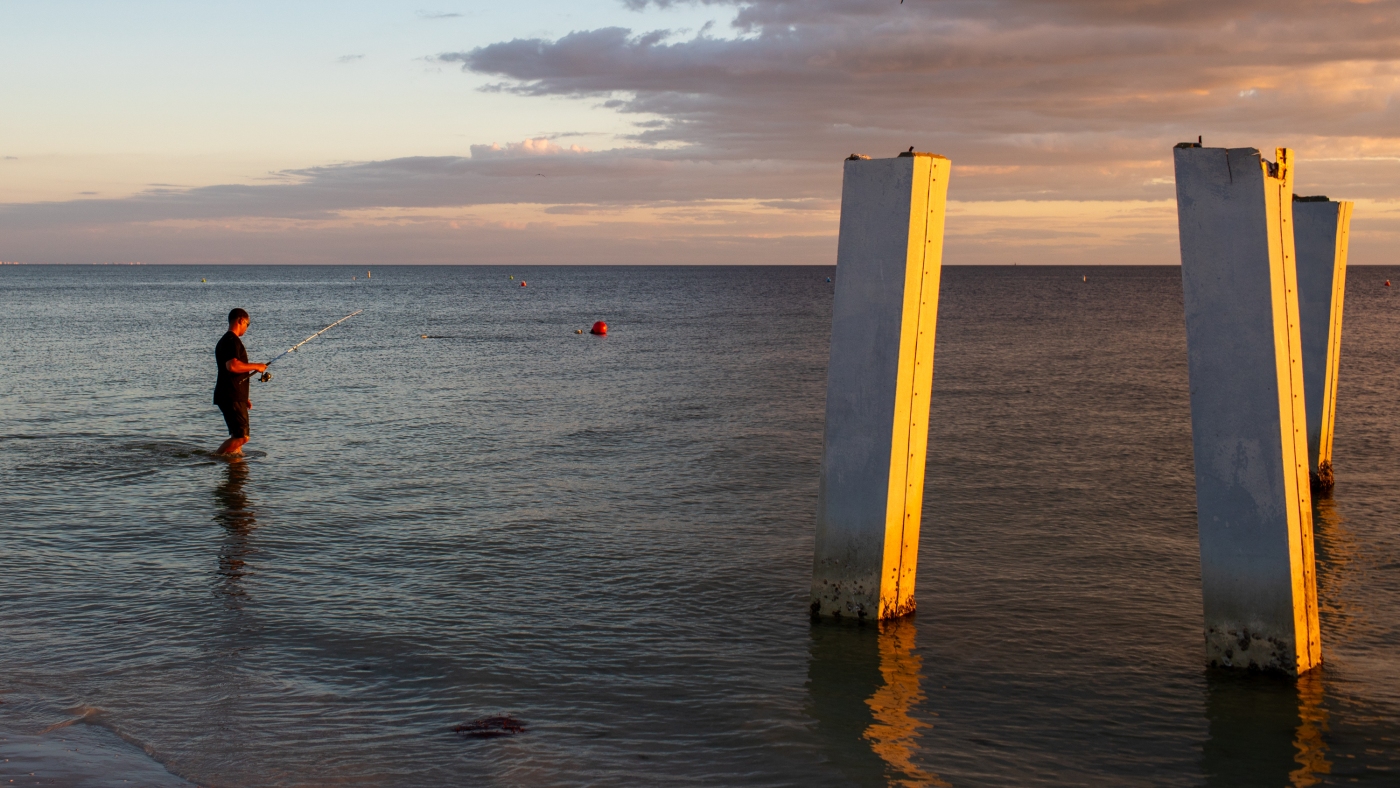
Three years after Hurricane Ian devastated Fort Myers Beach, the community continues to grapple with rising construction and insurance costs. The hurricane, which struck in September 2022 with winds of up to 155 miles per hour and a 15-foot storm surge, has profoundly reshaped the landscape and economic viability of this coastal town. The ongoing recovery has revealed stark realities for residents, particularly those in the middle class.
Jacki Liszak, chief executive of the Fort Myers Beach Chamber of Commerce, reflects on the slow progress since the disaster. “We are nowhere near where we thought we would be three years ago today,” she states. Liszak, who lost her small hotel, the Sea Gypsy Inn, to the storm, emphasizes the overwhelming impact of Ian. “I don’t think we understood what happened to us — the extent of it.”
Financial Strain on Residents
The financial burden of rebuilding has become increasingly daunting. Construction and property insurance costs have surged, threatening the viability of family-owned hotels that once characterized Fort Myers Beach. Locals anticipate that affordable housing will become a relic, replaced by luxury resorts and high-end homes designed to withstand future storms. Rob Fowler, president of Fowler Construction & Development, notes, “That gentrification is a real thing, the change in the cost is a real thing. And it all adds up to the fact that only well-heeled players can play now.”
The situation in Fort Myers Beach mirrors wider trends across southwest Florida, where an influx of wealthier residents has exacerbated the affordable housing crisis. As the area becomes increasingly unaffordable, working-class families are struggling to remain in their homes, exacerbated by rising costs of living in a disaster-prone region. According to real estate experts, these challenges reflect a national trend influenced by climate change, which has resulted in heightened insurance premiums and increased risks associated with natural disasters.
Insurance Challenges Intensified by Climate Change
Insurance costs in Florida have sharply escalated, following the catastrophic events brought on by Hurricane Ian. Karen Rodriguez, an executive at Habitat for Humanity of Lee and Hendry Counties, reports that home insurance quotes have more than doubled since the storm. The average cost of homeowners insurance in Florida exceeds $5,700, significantly higher than the national average, and second only to states like Nebraska and Louisiana.
Flood insurance further complicates the financial landscape for many residents. In high-risk flood zones, homeowners are required to obtain flood coverage, often through the Federal Emergency Management Agency’s (FEMA) National Flood Insurance Program. Changes to how FEMA calculates flood insurance premiums have resulted in soaring costs, placing additional strain on homeowners. This has led to a slowdown in home sales, as potential buyers shy away from the increasing financial commitments associated with owning property in the region.
Jessica Gatewood, a local real estate agent, recounts a client who had to sell her home after insurance costs ballooned to around $10,000 annually. The house had suffered damage from multiple hurricanes, and after significant investments to mitigate flooding risks, the homeowner was still unable to keep pace with rising costs. “That whole neighborhood, which probably has 200 homes, everybody’s in the same boat,” Gatewood explains.
The effects of these rising costs extend beyond individual homeowners. In October 2023, the average home value in Lee County fell by over 10% from the previous year, as property values have declined due to increased insurance rates and a stagnant real estate market. This decline poses a potential threat to local governments, as lower property values can lead to reduced tax revenues, creating a cycle of economic challenges for communities.
Community Impact and Future Prospects
The demographic shift in Fort Myers Beach is palpable. Residents are leaving as rents and housing costs escalate. Melyssa Caballero, who relocated from Miami in 2022, reports that her rent has more than doubled. “Little by little, you’re going to see everybody going away,” she warns, highlighting the exodus of young workers essential for economic growth. According to the Florida Chamber of Commerce, nearly 511,000 people left the state in 2023, the highest number ever recorded, with many citing housing costs as the primary reason for their departure.
As the town attempts to rebuild, the landscape remains uncertain. Scott Safford, a town councilman, expresses cautious optimism about the future. “I still think that this island is going to come back,” he asserts, but acknowledges the challenges ahead. The community faces the dual pressures of necessary investment and the looming threat of future storms. “We’re going to need development to sustain the tax base,” Safford adds, recognizing the need for financial viability.
With construction and recovery efforts ongoing, the residents of Fort Myers Beach remain hopeful but cautious. Local leaders and businesses are racing to rebuild, hoping to restore a sense of normalcy and community resilience before the next storm arrives. Jacki Liszak sums up the prevailing sentiment: “That will economically set us back another five to ten years.” As the community navigates these turbulent waters, the implications of climate change and rising costs will continue to shape the future of Fort Myers Beach and similar regions across the United States.