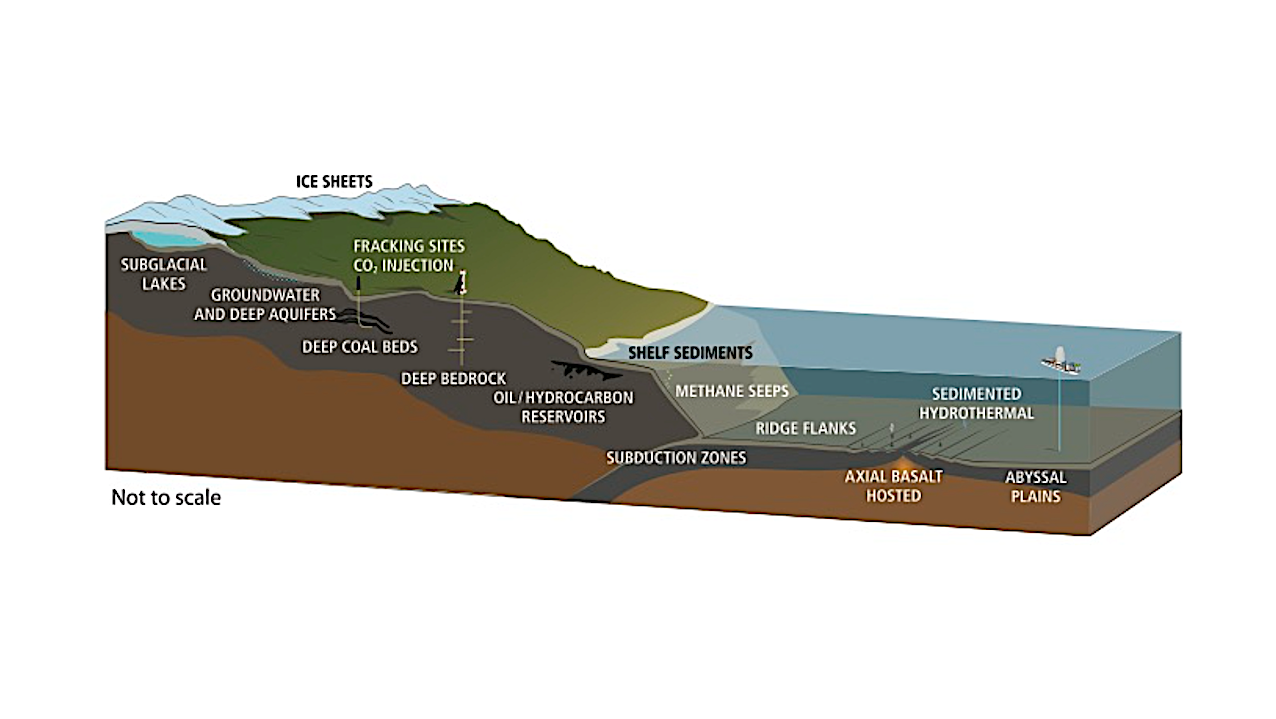
Subsurface microbiology is entering a pivotal phase, shifting focus from merely identifying microbial life to understanding its functions and the critical processes that influence subsurface ecosystems. This research is increasingly pertinent to societal challenges, particularly in the areas of climate change mitigation and waste management, where subsurface habitats play a significant role. Despite the importance of this field, opportunities for subsurface sampling and funding have been limited, and in some cases, are on the decline.
Addressing Societal Needs
Microorganisms in the subsurface are integral to processes that can help combat climate change and manage waste storage. As scientists delve deeper into the roles these microbes play, it becomes clear that their functionalities are vital for developing innovative solutions. The challenges surrounding climate change and waste disposal underscore the necessity for advancing our understanding of subsurface microbial communities.
The pressing need to explore subsurface microbiology has prompted a call to action for researchers, funding bodies, and industries involved in extraction and waste management. This perspective article aims to engage scientists interested in the geomicrobiology of the subsurface, while also appealing to global funding agencies. It reviews the history of subsurface science and its current landscape, highlighting the need for renewed investment and support.
Enhancing Research Opportunities
To address the gaps in subsurface microbiology research, several actions are recommended. One crucial step is to foster the involvement of early-career microbiologists in drilling projects. Engaging young scientists can invigorate research initiatives and bring fresh perspectives to ongoing studies.
Moreover, increasing access to subsurface sampling through partnerships with industry can enhance research outputs. Collaborations between microbiologists and extractive industries can facilitate the development of microbiology-led drilling projects. These initiatives not only promote deeper scientific inquiry but also align with industry needs for sustainable practices.
Interdisciplinary approaches are essential for the advancement of subsurface microbiology. Including microbiologists in the planning stages of drilling projects can lead to more comprehensive research designs. This collaborative framework could yield valuable insights into microbial processes that are critical to both environmental sustainability and industrial practices.
The integration of astrobiology into subsurface microbiology research offers additional avenues for exploration. Understanding how life exists in extreme environments on Earth can inform our search for extraterrestrial life, thereby expanding the scope and significance of subsurface studies.
The future of subsurface microbiology hinges on increased funding and support for research initiatives. By prioritizing this field, society can harness the potential of microbial life to address pressing global challenges. As scientists, funding agencies, and industries unite in this effort, the benefits could extend well beyond academic inquiry, impacting environmental policies and industrial practices worldwide.