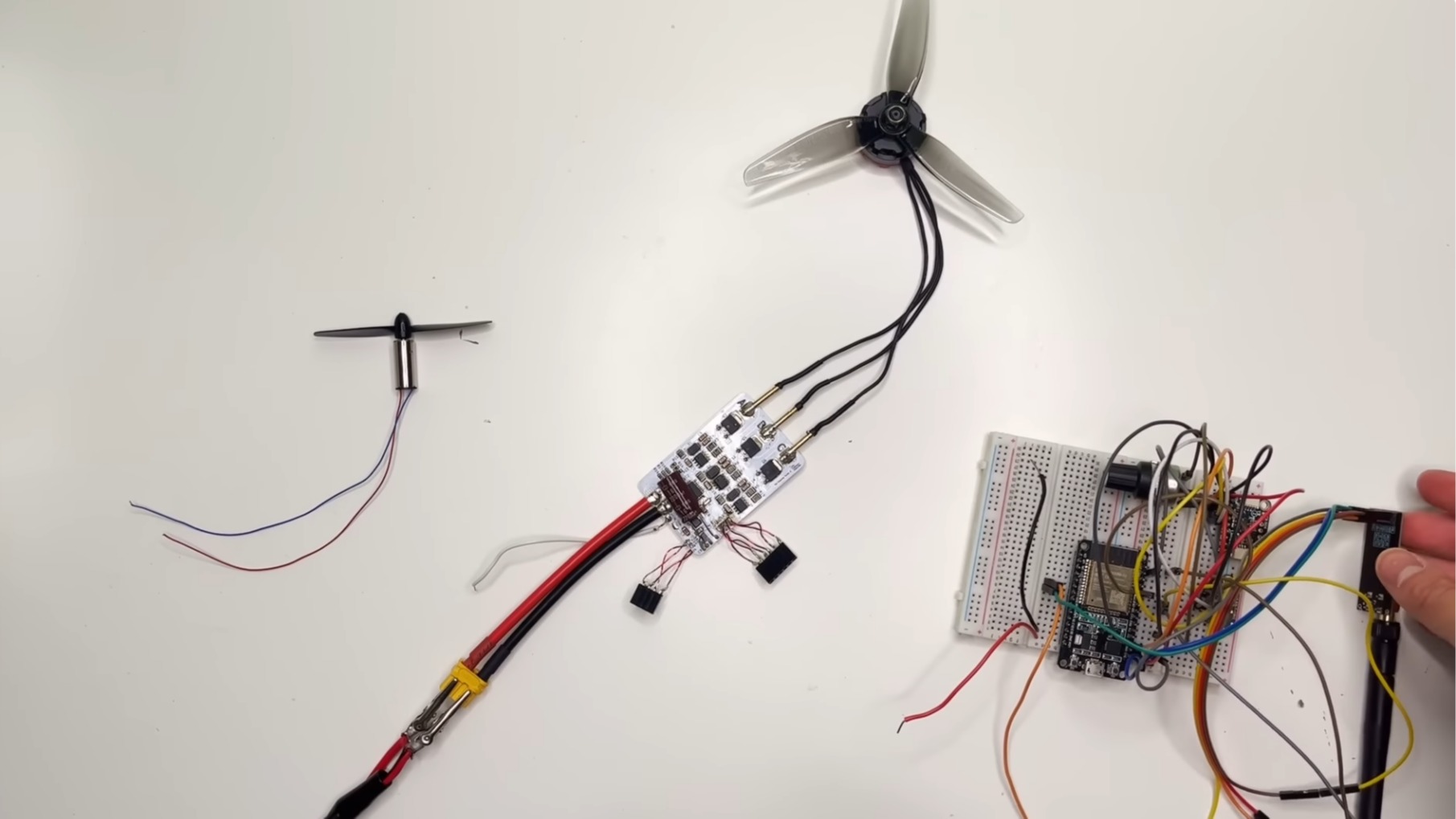
A recent video from Thinking Techie delves into the fundamental workings of Direct Current (DC) motors, offering viewers a detailed explanation of the technology behind these devices. The ten-minute presentation is designed for both newcomers and those seeking a refresher on the subject. The video explores various types of DC motors, including traditional brushed motors and the more advanced brushless DC motors.
Understanding the basic principles of magnetism is critical, as the video begins by outlining how magnetic effects play a vital role in motor operation. It explains the differences between 2-wire brushed DC motors and 3-wire brushless DC motors (BLDC). The three wires in a BLDC motor are essential for powering the motor through three phases, which differs from the wiring found in an RC servo that typically uses positive, negative, and signal leads.
While the video highlights the complexities of motor technology, it also clarifies some common misconceptions. For instance, many computer fans utilizing BLDC motors do indeed feature positive, negative, and signal pins. This design choice is attributed to the integrated controllers within these fans, similar to what is found in RC servos.
For those interested in a deeper dive into BLDC technology, the video also references further resources. Viewers can explore topics such as the development of custom BLDC motor controllers and significant upgrades to open-source BLDC controller technology, providing a comprehensive understanding of this vital area within electrical engineering.
Overall, the Thinking Techie video serves as a valuable resource for anyone keen on mastering the intricacies of DC motor technology. Whether for academic purposes or personal interest, it is a well-spent ten minutes that promises to enhance knowledge in a fundamental area of electrical engineering.