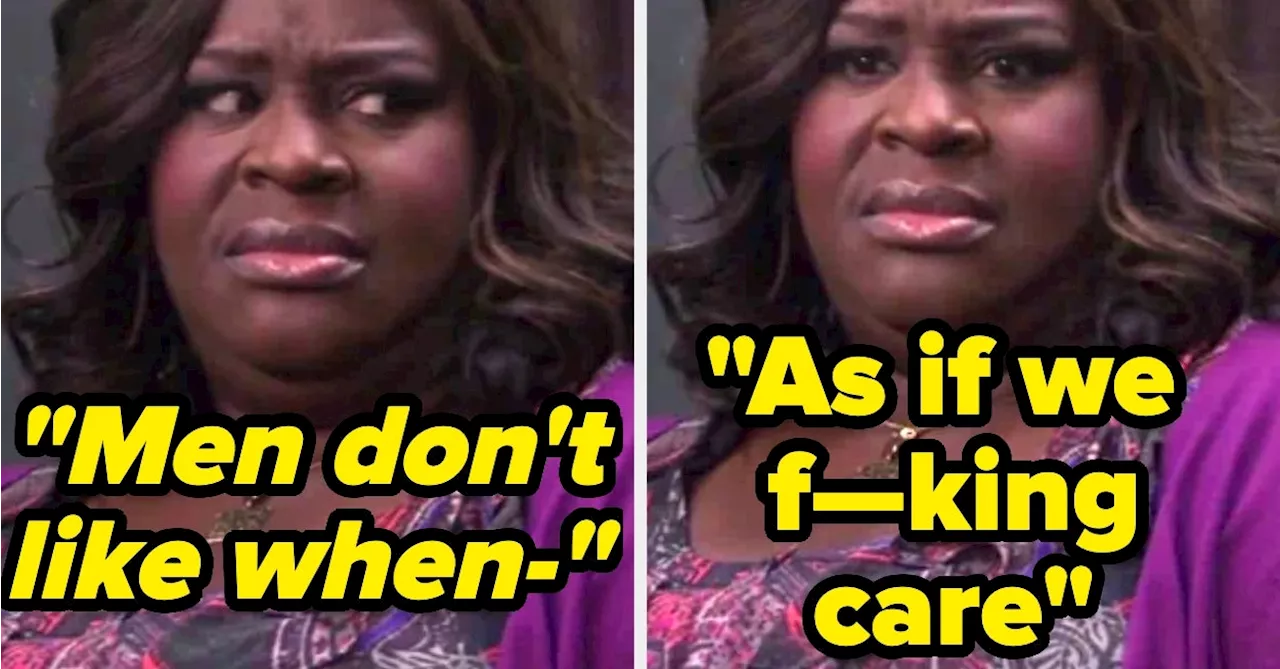
A recent discussion on Reddit has illuminated the persistent misconceptions that some men hold about women, drawing candid responses from women around the world. Initiated by the user InternationalPick163, the thread posed a straightforward question: “What’s a misconception men have about women that you wish would disappear?” The answers revealed deep frustrations and a desire for greater understanding and respect between genders.
Emotional Stereotypes and Independence
One of the most common misconceptions highlighted is the belief that women are primarily driven by emotions, which some men interpret as illogical or impractical. Respondents emphasized that this stereotype undermines the complexities of female thought, suggesting that women are fully capable of rational decision-making and effective problem-solving.
Another misconception challenged was the idea that women are waiting for a “real man” to rescue them. Participants in the discussion made it clear that women are self-sufficient individuals who seek partners, not projects. They expressed a desire for mutual respect and shared responsibilities within relationships, asserting their autonomy and independence.
The notion that women should be viewed as a collective group rather than as individuals was also addressed. Women articulated that they possess unique thoughts, needs, and motivations, and should not be expected to conform to a single pattern or behavior. This sentiment extends to the often-held assumption that women do not enjoy sex or engage in it solely to please men. Many shared that they view sex as a mutually enjoyable act, rather than a transactional interaction.
Consent and Personal Agency
The conversation also touched upon critical issues related to sexual consent and behavior. Some women expressed discomfort with degradation during sexual encounters, highlighting that such behavior can cross the line into sexual assault if not mutually agreed upon. Respondents underscored the importance of recognizing women as individuals with diverse personalities and preferences, challenging the stereotype that they are mysterious or overly emotional.
Further misconceptions regarding divorce were clarified. Respondents noted that a woman filing for divorce does not necessarily imply she caused the marital breakdown; instead, it often reflects her initiative in managing the administrative aspects of the separation.
Many women also rejected the idea that their lives revolve around men’s preferences, whether concerning clothing choices or weight. They emphasized that their self-esteem and choices are not dictated by male opinions. Additionally, the assumption that men have an advantage in dating due to lower standards was debunked, along with the notion that women possess a robust support network of friends ready to assist them at all times.
Respondents also confronted the stereotype of the “nice guy,” arguing that true kindness should not be a tactic aimed at achieving romantic outcomes. They indicated that a man who feigns niceness while harboring resentment is not genuinely kind. The perception that men with multiple partners are more experienced was similarly challenged, with women suggesting that quality of experience is far more significant than quantity.
Ultimately, the overarching message from this discussion was a call for men to abandon outdated beliefs and recognize women as equals. Participants expressed a desire for a world where both genders can interact without the weight of harmful stereotypes. They seek understanding and respect, emphasizing the need for open communication to foster healthier relationships.
The dialogue serves as a reminder that assumptions about women often stem from limited perspectives. Listening to women’s voices and acknowledging their experiences can pave the way for more meaningful interactions and a more equitable society. As the conversation continues, it invites readers to reflect on their beliefs and consider the importance of mutual respect and understanding in all relationships.