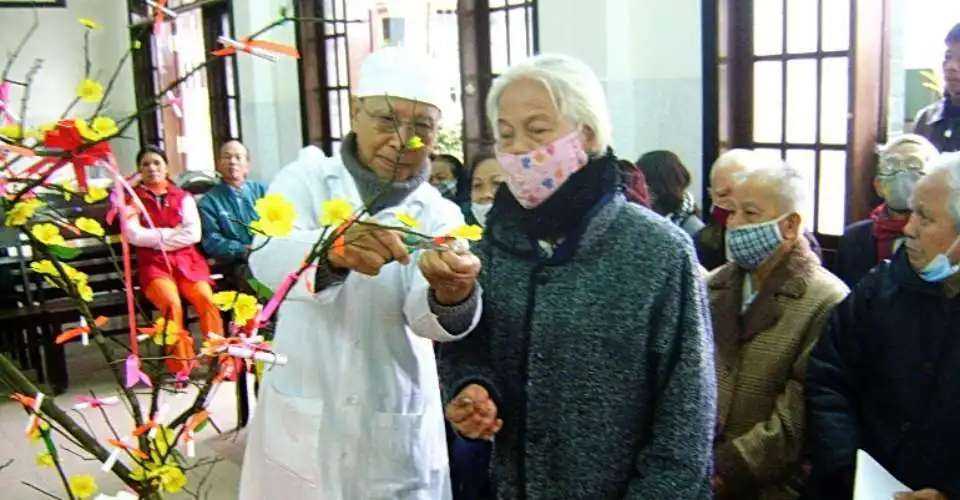
Lunar New Year, known as Tet, is a pivotal holiday in Vietnam, celebrated with deep cultural significance. Beyond its festive atmosphere, Tet serves as a moment for families to reconnect and reflect on their heritage. For over four centuries, Catholicism has coexisted with local traditions, shaping a distinctive approach to this essential holiday that blends theological principles with Vietnamese customs.
Historically, the relationship between Catholicism and Vietnam’s cultural practices has experienced tension, particularly regarding the veneration of ancestors, a central component of Tet celebrations. Early European missionaries often viewed these customs as incompatible with Christian doctrine. Such misunderstandings were not unique to Vietnam; they also occurred in other parts of East Asia, including China and Korea. Over time, particularly by the 20th century, the Catholic Church in Vietnam reassessed ancestor veneration through a cultural lens. It began to be seen as an expression of filial piety rather than a challenge to religious beliefs, facilitating a deeper engagement with Tet.
Within Catholic homes, Tet is primarily a family-centered occasion. Families engage in traditional practices such as cleaning and decorating their homes and preparing bánh chưng, the iconic sticky rice cake. Ancestral altars are maintained, often adorned with crucifixes and statues of saints, illustrating a harmonious balance between familial devotion and religious faith. This coexistence underscores a broader reality: Catholicism integrates into the traditional family structure, emphasizing values of honoring parents and sustaining familial bonds, which resonate with both Vietnamese culture and Christian ethics.
During the Lunar New Year, the integration of Tet into Catholic liturgy becomes especially prominent. According to guidelines from the Vietnam Bishops’ Conference, Masses in the first three days of the lunar calendar are focused on specific intentions such as prayers for peace, remembrance of ancestors, and blessings for the year ahead. Church environments are often transformed with floral arrangements and traditional decorations, creating a worship atmosphere that feels distinctly festive while remaining respectful of liturgical practices.
A noteworthy tradition among parishioners is the drawing of Scripture verses at the start of the year. This practice involves selecting biblical passages displayed on branches of apricot or peach blossoms in churches. It mirrors the Vietnamese custom of seeking blessings for the new year, recontextualizing it in moral and spiritual terms. In this light, “luck” takes on a deeper meaning, associated with grace and ethical living rather than mere material wealth. This approach allows Catholicism to connect with popular spiritual instincts while fostering introspection and commitment to ethical values.
While Christmas is often viewed as the peak of Catholic visibility in Vietnam, Tet offers a different perspective on religious presence. While Christmas is characterized by public celebration, Tet encourages a quieter, more reflective engagement with faith. Observations from local residents highlight this distinction. Tien Nam, a non-Catholic resident and mass mobilization officer in Ninh Binh province, noted, “I am not Catholic, but I really like the way Catholic churches are decorated during Lunar New Year — they are just as beautiful as at Christmas.” His insights reflect a broader perception that Catholic communities embody a more organized and culturally relevant interpretation of Tet.
In contemporary Vietnam, Tet comes with increasing social pressures, including financial expectations and family obligations. Among younger Catholics, enthusiasm for elaborate rituals may be waning. However, many appreciate the focus on reflection within parish communities, where Mass attendance often increases during this period. One priest remarked, “For many people, Tet is not about asking for something new, but about correcting what went wrong in the year that has passed.” This sentiment frames Tet as a moment for moral recalibration rather than mere celebration.
Charitable initiatives also play a significant role during Tet. Many Catholic parishes engage in community outreach by distributing food and gifts to families in need, regardless of their religious affiliation. This practice aligns with both Christian teachings on charity and the Vietnamese tradition of mutual support during Tet, reinforcing the Church’s social presence at the grassroots level.
The integration of Catholicism into Vietnam’s Lunar New Year is neither uniform nor universally accepted. Yet, it highlights a unique pattern of adaptation. Vietnamese Catholicism has embraced traditional customs, infusing them with ethical and spiritual meaning. In a world grappling with issues of identity and belief, Vietnam illustrates a model of coexistence where faith and culture negotiate their shared future, particularly during this significant holiday. Thus, Tet emerges not merely as a cyclical celebration but as a space for enduring dialogue between cultural heritage and religious belief.