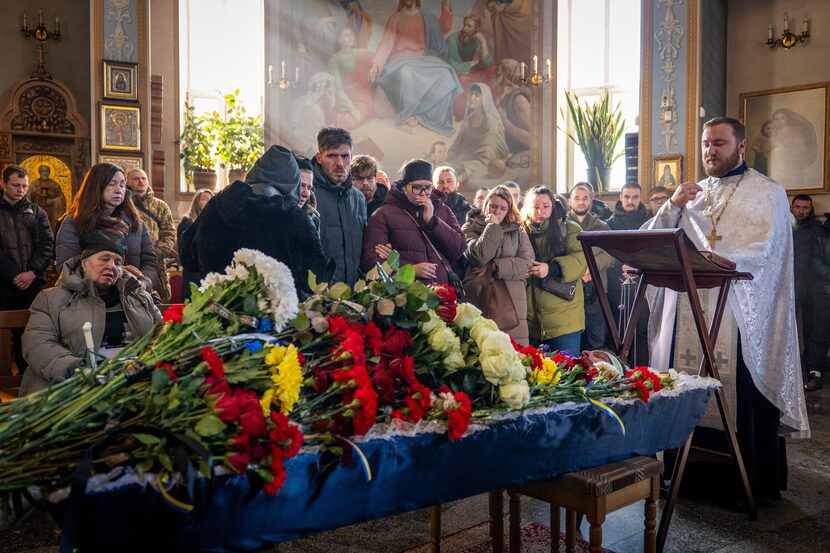
Today marks the fourth anniversary of Russia’s unprovoked invasion of Ukraine, a conflict that has forced Ukrainians to confront not only military aggression but also a systematic attempt to erase their cultural identity. The ongoing war has resulted in significant human suffering, with President Vladimir Putin pursuing a strategy that goes beyond territorial conquest; it aims to obliterate Ukrainian heritage and identity.
Unveiling Ukrainian Heritage Amid Conflict
In the heart of downtown, a small exhibit at the J. Erik Jonsson Library showcases the rich folk-art traditions of Ukraine. Displayed behind glass are intricately embroidered blouses, traditional moccasins, and unique musical instruments, which stand as silent witnesses to a culture under siege. The exhibit serves as a poignant reminder of what is at stake as Ukrainians continue to fight for their survival and sovereignty.
Since Russia launched its full-scale invasion on February 24, 2022, the Ukrainian population has faced profound challenges. One of the most alarming aspects of this conflict has been the forced relocation of thousands of Ukrainian children. Many were taken from their families and sent to Russia under the guise of adoption, which represents an egregious violation of human rights.
In occupied territories, Russian authorities have imposed their educational system, systematically replacing lessons in the Ukrainian language and history with state-sponsored propaganda. Reports from human rights organizations indicate that educators who resist this shift have faced threats, physical violence, and harassment.
Diplomatic Missteps and the Path Forward
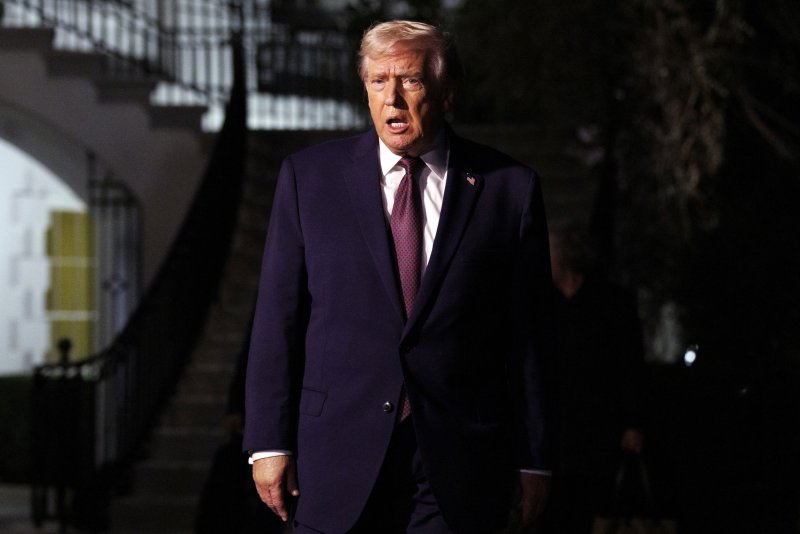
Despite the stark realities of the conflict, the current U.S. administration has at times treated the situation as if it were merely a contractual dispute requiring negotiation. There is a notable reliance on emissaries such as Jared Kushner and Steve Witkoff, who lack deep expertise in the region, to navigate peace talks. Conversely, Russia’s diplomatic efforts are led by Vladimir Medinsky, a historian known for minimizing Soviet aggression and promoting narratives that justify the annexation of Ukrainian lands.
The continued cycle of failed peace talks underscores a critical misunderstanding of the conflict’s dynamics. For a resolution to occur, it is imperative to recognize that negotiation is futile when one party is intent on total domination. The U.S. administration must abandon any illusions of compromise and instead focus on strengthening Ukraine’s position.
To support Ukraine effectively, the U.S. should consider increasing sanctions on nations that continue to purchase Russian energy products. Additionally, it is essential to maintain and enhance military support for Ukraine, including the provision of weapons and air defense systems. Efforts to assist Ukraine in rebuilding its utility infrastructure, particularly as winter approaches, are also crucial given the relentless targeting of these facilities by Russian forces.
Moreover, the temporary protected status granted to many Ukrainians in the U.S. needs to be extended beyond its current expiration in October 2023. This status offers essential protection from deportation as these individuals navigate the complexities of returning to a war-torn homeland.
The folk art displayed at the library must not become a mere artifact of a culture that has been extinguished by the ambitions of an imperialist regime. It stands as a testament to the resilience and spirit of the Ukrainian people, who continue to fight against overwhelming odds in their struggle for freedom and identity.
The implications of this conflict extend far beyond the battlefield, highlighting the urgent need for a robust international response that champions human rights and supports cultural preservation. As the world watches, the fate of Ukraine remains in the balance, and it is crucial that the international community rallies in support of its sovereignty.