The United States is taking steps to cut off access for a Swiss bank to the U.S. financial system due to allegations of facilitating illicit money flows linked to Iranian and Russian entities. The action comes as negotiations between U.S. and Iranian officials continue in Geneva regarding Tehran’s nuclear program. On March 7, 2024, the U.S. Treasury’s Financial Crimes Enforcement Network proposed a regulation that, if finalized, would prohibit American institutions from conducting business with MBaer Merchant Bank AG.
MBaer, a relatively small bank established in 2018, is accused of channeling over $100 million through the U.S. financial system for criminal activities associated with Iran and Russia. Unlike the larger Julius Baer bank, MBaer had approximately $245 million in assets as of a 2020 banking profile, ranking it as the 200th largest bank in Switzerland. This recent move by the Treasury Department indicates that a significant portion of MBaer’s operations may be linked to illegal financial activities.
According to a Treasury statement, MBaer is described as “a critical access node to the U.S. dollar for a wide variety of illicit actors.” The department claims that since its inception, the bank has been involved in money laundering and has supported corruption and terrorist financing, particularly in relation to Iran’s Islamic Revolutionary Guard Corps and Russian criminal organizations.
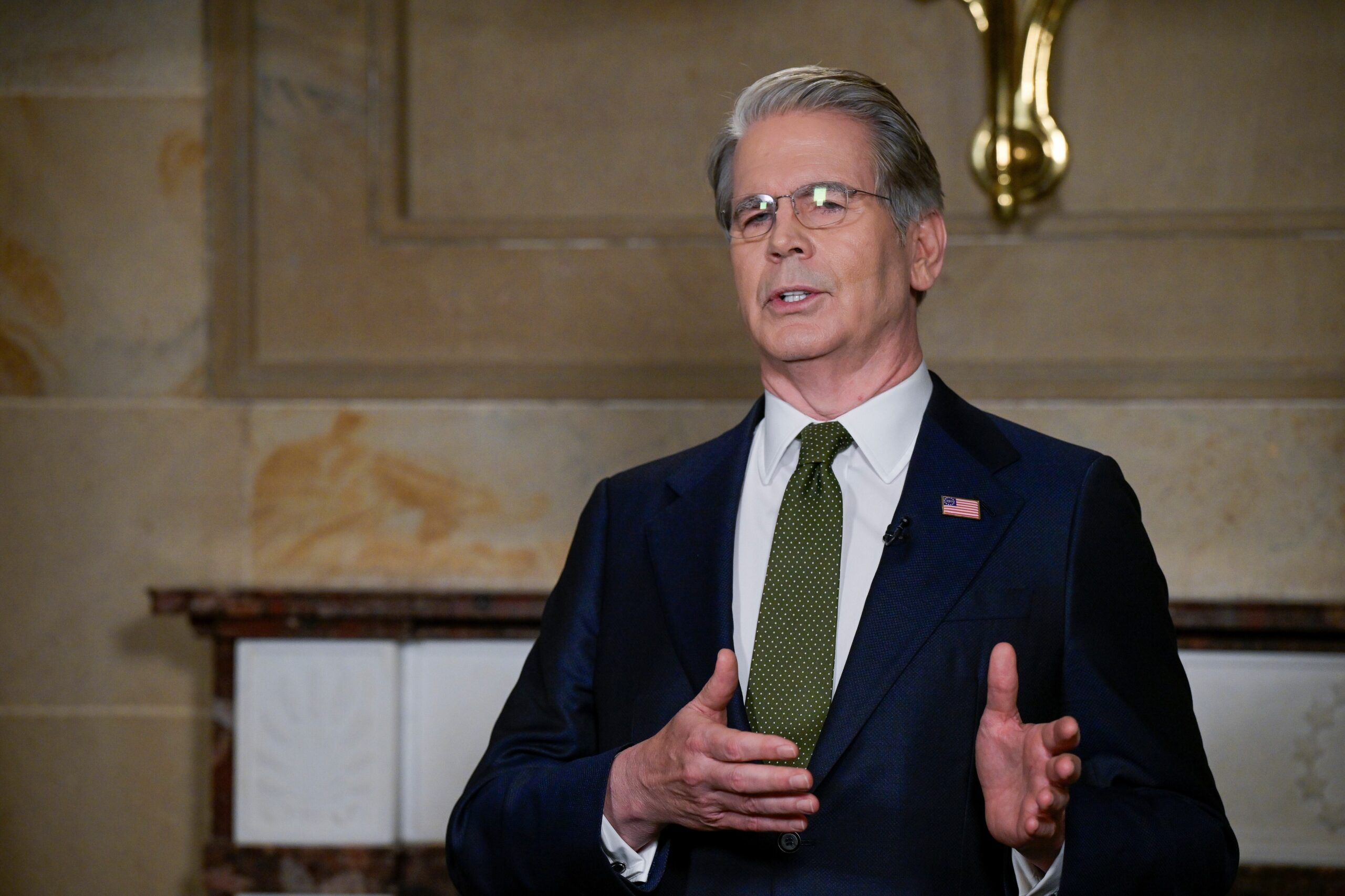
Scott Bessent, the U.S. Treasury Secretary, emphasized that banks must be aware that the U.S. Treasury will use its full authority to protect the integrity of the U.S. financial system. He stated, “We will aggressively protect the integrity of the U.S. financial system.”
While MBaer has not issued a public response, the implications of this proposed regulation are significant. The U.S. has previously imposed multiple sanctions targeting individuals and companies accused of supporting Iran’s government, its ballistic missile program, and illicit oil sales. The current discussions in Geneva involve U.S. envoy Steve Witkoff and Iranian negotiators, mediated by Oman, as both parties seek to address the ongoing tensions surrounding Iran’s nuclear ambitions.
As the situation unfolds, the impact of the Treasury’s actions on MBaer and its clients remains to be seen, particularly in light of the broader implications for international banking practices and U.S. national security.