U.S. oil companies are currently refraining from investing in Venezuela, even after the U.S. military operation that captured Venezuelan leader Nicolás Maduro over the weekend. President Donald Trump indicated that major oil firms would likely play a significant role in revitalizing the Venezuelan economy, but energy experts caution that any recovery of the country’s oil industry will take considerable time and investment.
In a press briefing aboard Air Force One on October 8, 2025, Trump expressed optimism about the potential for U.S. oil firms to capitalize on Venezuela’s extensive oil reserves. “They want to go in and they’re going to do a great job,” he stated, asserting that “big investments” by oil companies are on the horizon. Despite this enthusiasm, the reality on the ground suggests a more cautious approach from the industry.
Venezuela’s oil sector has suffered tremendously due to a combination of U.S. sanctions, mismanagement, and widespread corruption. As a result, the country’s oil production has plummeted to approximately 900,000 barrels per day, less than half of its output prior to Maduro’s presidency, which peaked at around 2 million barrels per day. The current low oil prices, hovering around $58 per barrel, further complicate the situation, as they diminish the incentive for oil companies to invest in an unstable market.
Cautious Stance Among Major Oil Players
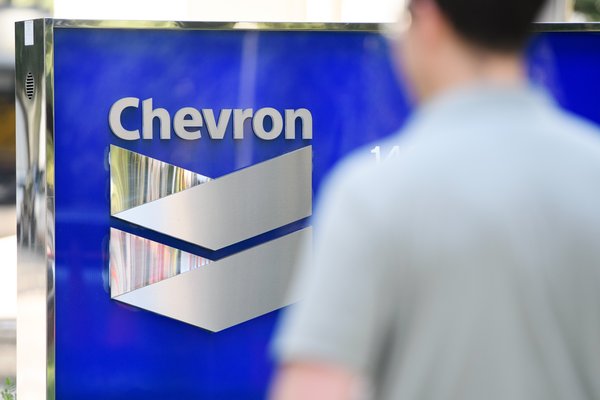
Currently, Chevron Corp. stands as the only major U.S. oil company with a presence in Venezuela, having had its operational license renewed by the Trump administration in July 2024. Chevron accounts for about a quarter of the country’s daily oil production. A spokesperson for the company emphasized its commitment to compliance with local laws, stating, “Chevron remains focused on the safety and wellbeing of our employees, as well as the integrity of our assets.”
In contrast, other U.S. oil giants like ExxonMobil and ConocoPhillips have long distanced themselves from Venezuela following the 2007 nationalization of the oil industry under Maduro’s predecessor, Hugo Chávez. Both companies have sought to reclaim their expropriated assets but have encountered significant challenges. ConocoPhillips noted its intention to monitor developments in Venezuela without making any commitments to future investments, while ExxonMobil did not respond to requests for comment.
The American Petroleum Institute, the leading trade association for the oil and natural gas sector, is also keeping an eye on the situation. Spokesperson Bethany Williams highlighted the importance of monitoring developments related to Venezuela and their potential impact on global energy markets.
Political Landscape and Future Implications
The political landscape in Venezuela remains precarious, with a government primarily composed of officials who served under Maduro. Following the military operation, the Venezuelan Supreme Court recognized Delcy Rodríguez, a former oil minister, as the acting president. Rodríguez has publicly stated that Venezuela will not become “anyone’s colony,” although she later issued a call for a “cooperation agenda” with the U.S., emphasizing mutual respect.
Currently, Maduro is being held in a correctional facility in New York City, facing drug-trafficking charges. The ongoing political instability, combined with the substantial challenges facing the oil industry, leaves the timeline for any meaningful investment from U.S. oil companies uncertain.
As the situation develops, the interplay between political dynamics and economic opportunities will be critical in shaping the future of Venezuela’s oil sector and its relationship with U.S. energy firms.