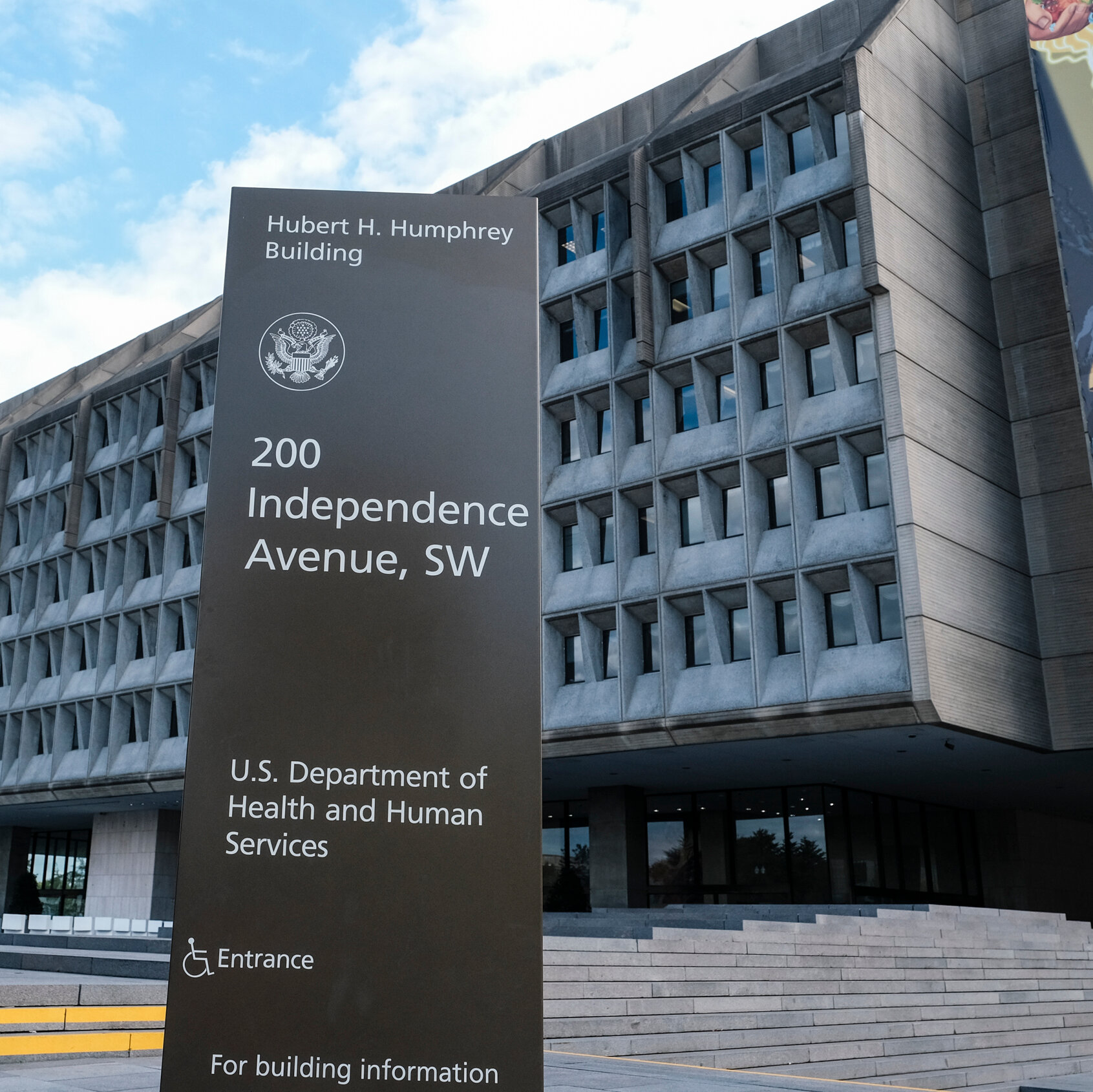
The U.S. Health Department has announced a significant decision to freeze $10 billion in funding designated for five Democratic-led states: California, Colorado, Illinois, Minnesota, and New York. This funding pause raises serious concerns about the future of essential services, particularly child care programs that support hundreds of thousands of households across these states.
The funding suspension is expected to impact various initiatives, including child care, health services, and other community programs that rely on federal support. Many families depend on these services for stability and access to necessary resources. The freeze could disrupt the operational capabilities of organizations that provide these critical services, potentially leading to cutbacks or even closures.
Details of the Funding Freeze
The decision by the Health Department comes amid ongoing negotiations regarding federal budget allocations. Officials have indicated that the funding halt reflects broader concerns over financial management and accountability in the affected states. Specific criteria for the funding pause have not been publicly detailed, leaving many state officials seeking clarity about the implications for their communities.
In response to the funding freeze, state leaders have expressed deep concern. They argue that such a significant cut could exacerbate existing challenges faced by vulnerable populations. For instance, in California alone, the suspension of funds could affect tens of thousands of children who rely on subsidized child care programs. Similar situations are anticipated in the other states affected.
Impact on Local Communities
According to analysis from local advocacy groups, the funding freeze could create a ripple effect throughout the affected states. Child care centers may be forced to reduce their operating hours or, in some cases, shut their doors permanently. The loss of affordable child care options could hinder parents’ ability to work, ultimately affecting the economy at a local and national level.
Moreover, funding for health programs, including mental health services and preventive care initiatives, could also be placed in jeopardy. These programs are vital for maintaining the well-being of communities, particularly in the wake of the ongoing impacts of the COVID-19 pandemic.
State officials are calling on the federal government to reconsider this decision, emphasizing the importance of these programs in promoting public health and economic stability. They argue that the long-term benefits of investing in child care and health initiatives far outweigh the short-term savings achieved by freezing the funding.
In conclusion, the U.S. Health Department’s decision to pause $10 billion in funding for California, Colorado, Illinois, Minnesota, and New York poses significant risks to essential services. As state leaders and community advocates mobilize to address these challenges, the potential consequences of this funding freeze will continue to unfold in the coming months.