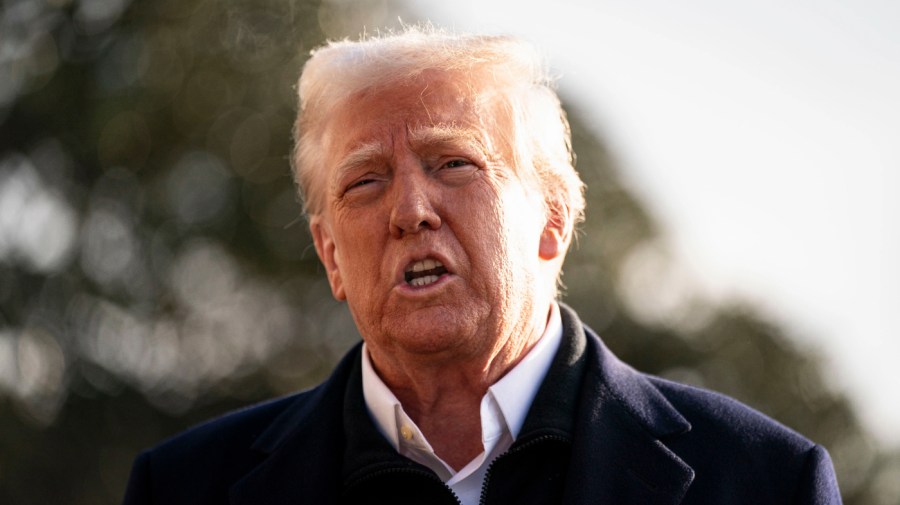
The U.S. government under President Donald Trump faces significant backlash from its European allies due to its controversial bid for Greenland, a vast Arctic territory owned by Denmark. As part of this endeavor, Trump has threatened to impose a 10% tariff on several European nations starting from February 1, 2026, with plans to escalate this to 25% by June 1. The implications of this trade policy could damage longstanding alliances and disrupt U.S. interests in the Arctic region.
Tariffs Target Key European Nations
The countries affected by the proposed tariffs include Denmark, Norway, Sweden, France, Germany, the Netherlands, Finland, and the United Kingdom. These nations recently participated in a military exercise in Greenland, intended to demonstrate their commitment to collaborative defense against potential threats from Russia and China. However, Trump’s aggressive approach, characterized by economic pressure, risks alienating these allies further.
Trump’s insistence on U.S. sovereignty over Greenland appears to disregard the opinions of its inhabitants and the Danish government, potentially straining diplomatic relations. The strategic significance of Greenland, with its untapped reserves of rare-earth minerals and its location in the Arctic, has long been recognized, but the current administration’s methods raise concerns about the future of transatlantic cooperation.
Potential Repercussions on NATO and Trade
As tensions rise, experts warn that Trump’s actions could weaken the NATO alliance, which has been crucial for U.S. interests in Europe and beyond. A misguided tariff policy may provoke countries to rethink their commitments to collective defense, especially as Sweden and Finland have only recently joined NATO.
“Trump’s approach risks turning allies into adversaries, undermining decades of diplomatic efforts in the region,” said a senior analyst at the European Policy Centre.
Moreover, the economic implications of the tariffs are complex. Most of the nations on Trump’s list are members of the European Union, which has a common trade policy. This means any tariffs imposed would need to be extended to all EU member states, complicating trade relations further. Members of the European Parliament are already discussing the possibility of stalling agreements with the U.S. due to this aggressive stance.
The political fallout from these tariffs could also affect other U.S. priorities, such as the recent agreement with the U.K. regarding pharmaceutical pricing, potentially leading to increased costs for American consumers. With midterm elections approaching, it remains unclear why the administration would risk alienating voters concerned about rising prices.
While Trump may perceive his Greenland ambitions as a means of securing U.S. interests against China and Russia, the reality could be quite the opposite. The ongoing geopolitical landscape suggests that adversaries may benefit from the discord within Western alliances, as countries like Canada continue to engage with China economically.
In conclusion, the U.S. must navigate a delicate balance in its foreign relations. While the administration seeks to assert control over Greenland, the tactics employed could lead to long-lasting damage to alliances that have historically supported U.S. strategic interests. The need for collaboration and trust among allies has never been more critical, and the outcome of these policies may shape the future of transatlantic relations for years to come.