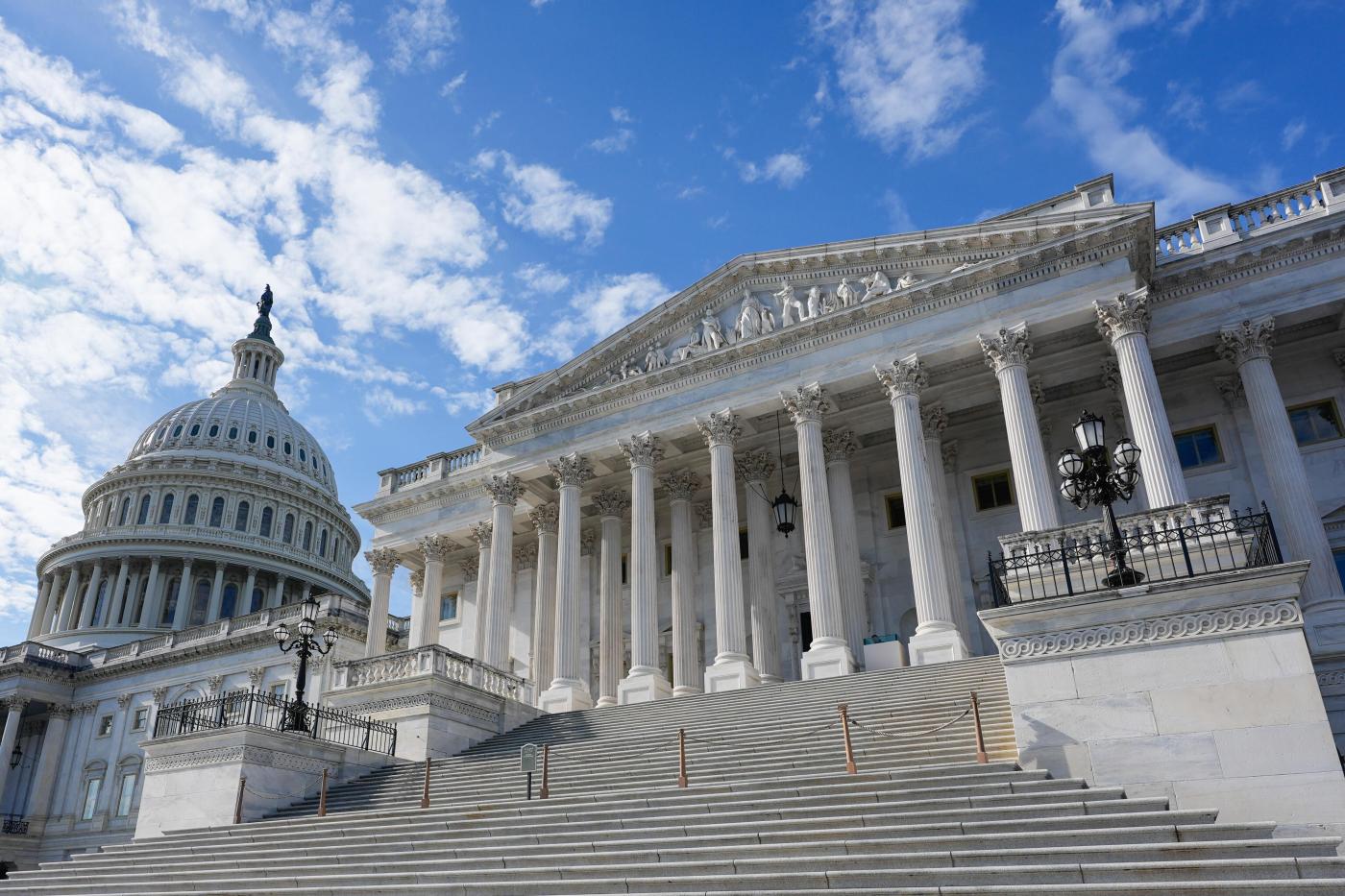
The longest government shutdown in U.S. history came to an end on November 22, 2025, after President Donald Trump signed a funding bill. The shutdown lasted 43 days, impacting federal workers, travelers, and food assistance programs across the nation. As federal employees returned to work, the political landscape remained fraught with divisions, particularly regarding healthcare subsidies.
The House of Representatives passed the funding measure with a party-line vote of 222-209. The Senate had already approved the bill earlier, which funds government operations through January 30, 2026. In the wake of the shutdown, U.S. Representative Frank Mrvan expressed his discontent with the resolution, highlighting the lack of provisions for healthcare subsidies that many families rely on.
“I have spent my career as a public official working on behalf of individuals and families facing economic hardship,” Mrvan stated. He criticized the decision to prioritize emergency food assistance while neglecting affordable healthcare benefits. Mrvan also pointed out that the resolution does not finance the Toxic Exposures Fund, which supports veterans, indicating that the fight for affordable healthcare is far from over.
Conversely, Senator Todd Young supported the bill, noting it would provide full-year appropriations for military construction, veterans affairs, and agricultural programs. He expressed frustration over the duration of the shutdown, which he believes negatively impacted many Americans. Young emphasized that he had voted multiple times to reopen the government, while he accused Democrats of obstructing such efforts.
Amid the negotiations, Senator Jim Banks attributed the prolonged shutdown to Democratic resistance. He characterized their actions as holding the country “hostage” and suggested that their refusal to agree on an extended tax credit for healthcare was a significant factor in the standoff.
The shutdown underscored sharp partisan divides, as Democrats sought to extend a tax credit that reduces the cost of health coverage acquired through the Affordable Care Act. Republicans, however, insisted that this matter should be addressed separately from the funding negotiations. The compromise ultimately funded three annual spending bills while extending other funding through January 30.
Looking ahead, Republicans have pledged to hold a vote on extending healthcare subsidies by mid-December, although success remains uncertain. Without the enhanced tax credit, millions of Americans may face significantly higher premiums, as average costs could more than double.
The implications of the shutdown extended beyond politics, affecting everyday lives. The Food Bank of Northwest Indiana, which relies on funding for the Supplemental Nutrition Assistance Program (SNAP), welcomed the end of the shutdown but noted uncertainty regarding the distribution of benefits. CEO Victor Garcia expressed relief but highlighted the need for continued support during the transition.
Furthermore, Aaron Dusso, associate professor of political science at Indiana University Indianapolis, remarked on the surprise of the shutdown’s resolution, suggesting that upcoming holidays may have influenced the timing. He indicated that while funding for SNAP should resume quickly, sectors requiring personnel, like air traffic control, may experience a slower return to normalcy.
As the dust settles from the shutdown, the lingering effects on public sentiment and political relations may shape the narrative leading into the next election cycle. Dusso believes that the shutdown will fade from the public’s memory but will leave a lasting impact on relationships within the Democratic Party.
The resolution of the government shutdown marks a critical moment, but it also highlights the ongoing challenges that both parties will face as they navigate complex issues like healthcare and federal funding in the months to come.