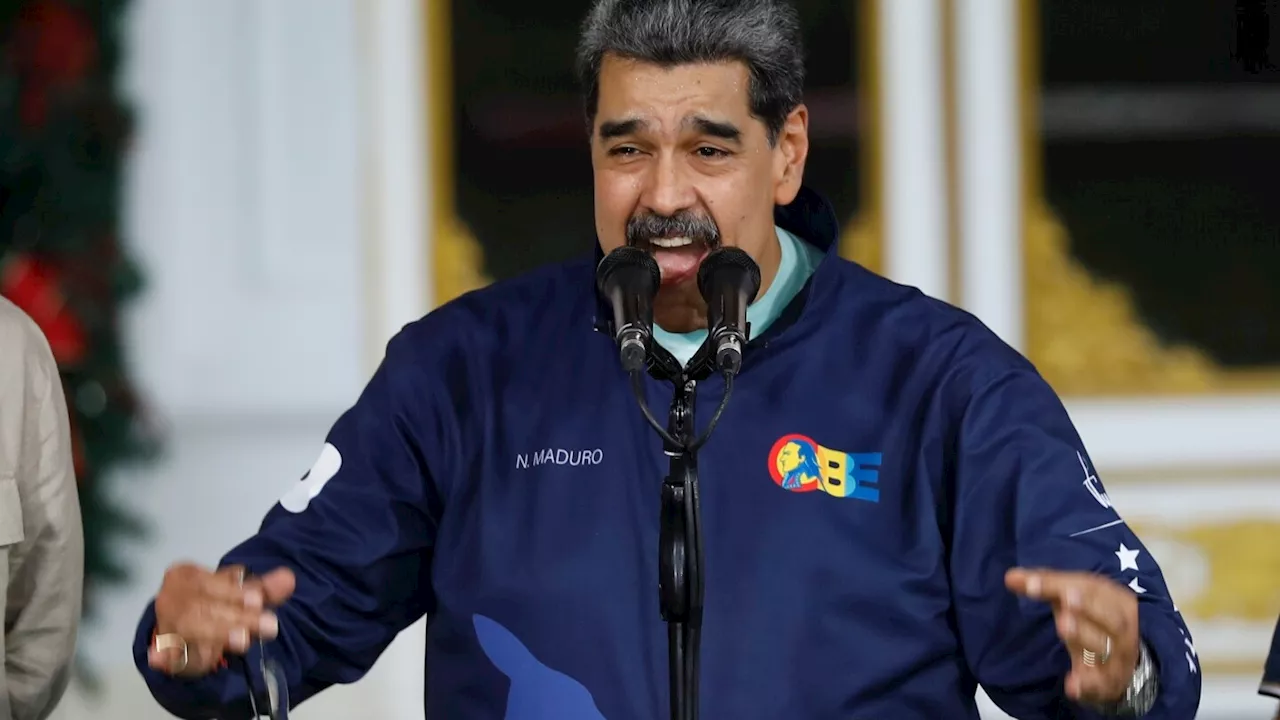
Venezuelan President Nicolás Maduro has been captured by U.S. forces in a dramatic military operation that took place early on January 3, 2026. President Donald Trump announced that the U.S. government intends to assume control of Venezuela temporarily, with plans to bring Maduro to justice for alleged narco-terrorism conspiracy charges. This operation marks the most assertive U.S. action aimed at regime change since the 2003 invasion of Iraq.
Following months of escalating military pressure, Trump ordered an incursion into Venezuela to detain Maduro. The operation involved a coordinated assault on key locations in the Venezuelan capital, Caracas, resulting in a series of explosions during the early hours of Saturday. By the evening, Maduro and his wife Cilia Flores had been transported to New York, landing at Stewart Air National Guard Base.
U.S. officials, including Secretary of State Marco Rubio, have long advocated for decisive action against Maduro, whom they describe as a corrupt leader. Trump stated that U.S. forces had meticulously planned the operation, simulating the environment in which they would operate. He noted that U.S. forces had been prepared for the mission since early December, gathering extensive intelligence on Maduro’s whereabouts and habits.
In a press conference, Trump claimed that the U.S. would oversee Venezuelan governance temporarily and utilize its vast oil reserves, stating, “We’re going to sell [the oil] to them.” He emphasized that the U.S. would work to repair the country’s oil infrastructure, which has been in disrepair for years.
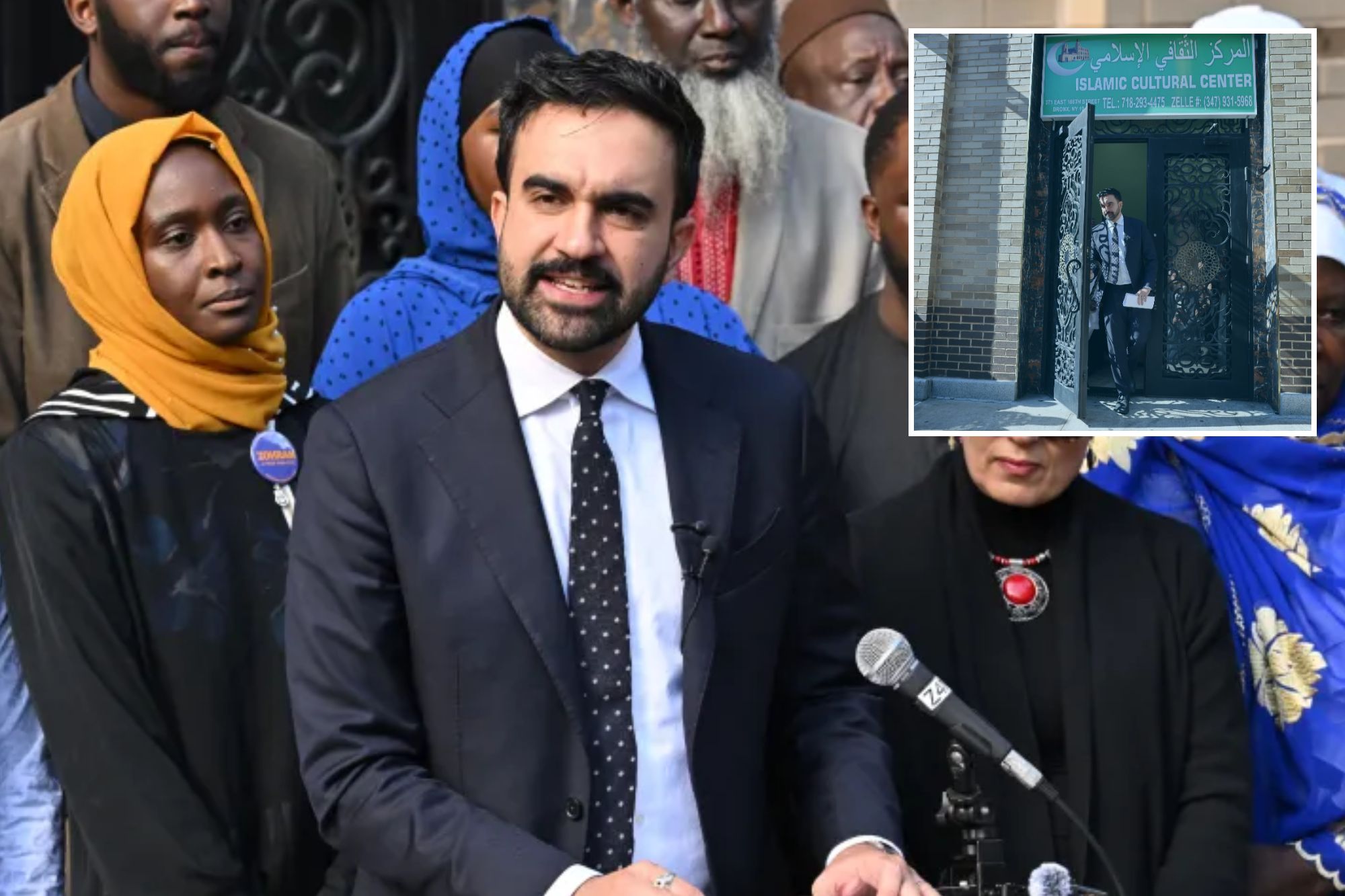
The operation has drawn mixed reactions domestically and internationally. New York City Mayor Zohran Mamdani expressed his opposition to the U.S. military incursion, arguing that it violates federal and international law. Meanwhile, the U.N. Security Council plans to convene an emergency meeting to discuss the implications of U.S. actions in Venezuela.
Internationally, leaders have responded with concern. British Prime Minister Keir Starmer stated that his government would discuss the evolving situation with U.S. counterparts, asserting that they do not mourn the end of Maduro’s regime. In contrast, China condemned the U.S. operation, labeling it an infringement on Venezuela’s sovereignty and a threat to regional stability.
The Venezuelan government has denounced the U.S. actions as an act of aggression. Vice President Delcy Rodríguez addressed the nation, demanding Maduro’s release and reiterating his status as the legitimate leader of Venezuela. She called for a respectful dialogue with the U.S. as tensions rise.
As the situation unfolds, many Venezuelans are left in uncertainty. Residents reported hearing loud explosions throughout the night, with some expressing fear for their safety in the wake of the military operation. One Caracas resident, Yanire Lucas, described the atmosphere as unprecedented, stating, “We’re still on edge, and now we’re uncertain about what to do.”
U.S. military officials disclosed that the operation involved over 150 aircraft from multiple bases, including F-22 and F-35 fighter jets, as well as remotely piloted drones. The Chairman of the Joint Chiefs of Staff, Gen. Dan Caine, characterized the mission as a meticulously planned effort to minimize harm to civilians and to Maduro himself.
The long-term implications of this military intervention remain to be seen, particularly regarding the management of Venezuela’s significant oil resources and the establishment of a new government. Legal experts have raised questions about the legitimacy of U.S. claims to control Venezuela’s resources and the potential for international backlash.
As the U.S. claims to assume control, the reality on the ground in Venezuela shows no immediate signs of a change in governance. Military installations and key government locations remained under Venezuelan armed forces’ control, indicating a complex and uncertain transition ahead.