The geopolitical landscape in the Middle East is shifting as the United States and Israel appear to be gaining tactical advantages in their approach towards Iran. Recent events, particularly the assassination of Iranian Supreme Leader Ayatollah Ali Khamenei, on March 1, 2024, have ignited protests across various regions, including Srinagar, India. These developments signal a pivotal moment, yet the long-term implications remain unclear.
Current Developments and Protests
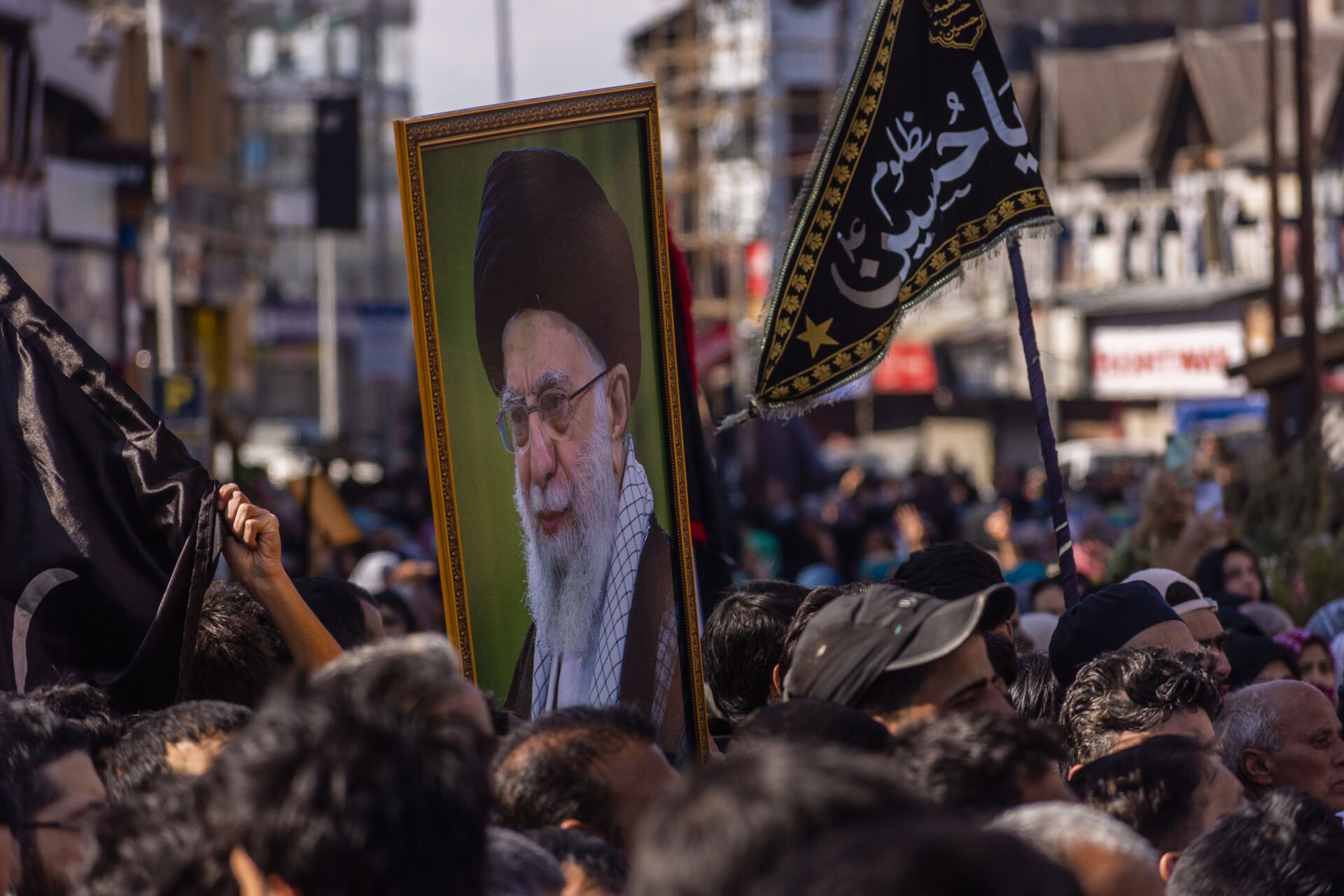
The killing of Khamenei has intensified public demonstrations, reflecting widespread unrest within Iran and in neighboring regions. Thousands of demonstrators took to the streets in Srinagar, expressing their discontent and calling for change. The protests underscore the volatility in the region, which has significant implications for both U.S. and Israeli foreign policy.
While the immediate aftermath of Khamenei’s death suggests a potential weakening of Iran’s leadership, the broader consequences are still unfolding. Analysts point out that the power vacuum created by such a high-profile assassination may lead to increased instability, not only within Iran but also across the Middle East.
Strategic Implications for U.S. and Israel
For the U.S. and Israel, these events may represent an opportunity to recalibrate their strategies in the region. Both nations have long viewed Iran as a primary adversary due to its nuclear ambitions and support for militant groups. The current situation could allow them to strengthen alliances with regional partners and increase pressure on Iran.
However, the potential for a tactical victory does not guarantee a favorable outcome in the long run. The complex dynamics of Iranian politics, particularly with the possibility of hardline factions gaining more influence, could complicate matters. The U.S. and Israel face a challenging path ahead as they navigate a landscape marked by uncertainty and competing interests.
As the situation evolves, the international community is closely monitoring the developments. The ramifications of Khamenei’s assassination could lead to shifts in alliances, changes in military postures, and a re-evaluation of diplomatic efforts in the region.
In conclusion, while the U.S. and Israel may be poised for tactical gains in their dealings with Iran, the foggy future necessitates cautious consideration of the potential consequences. The interplay of regional politics and the reactions of Iranian citizens will play a crucial role in determining the next steps for all parties involved.