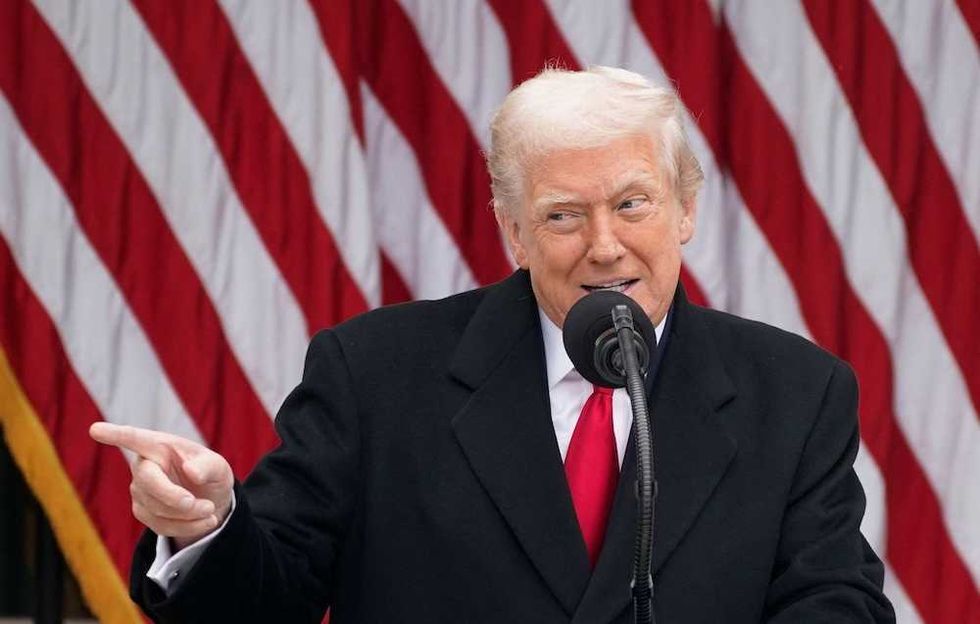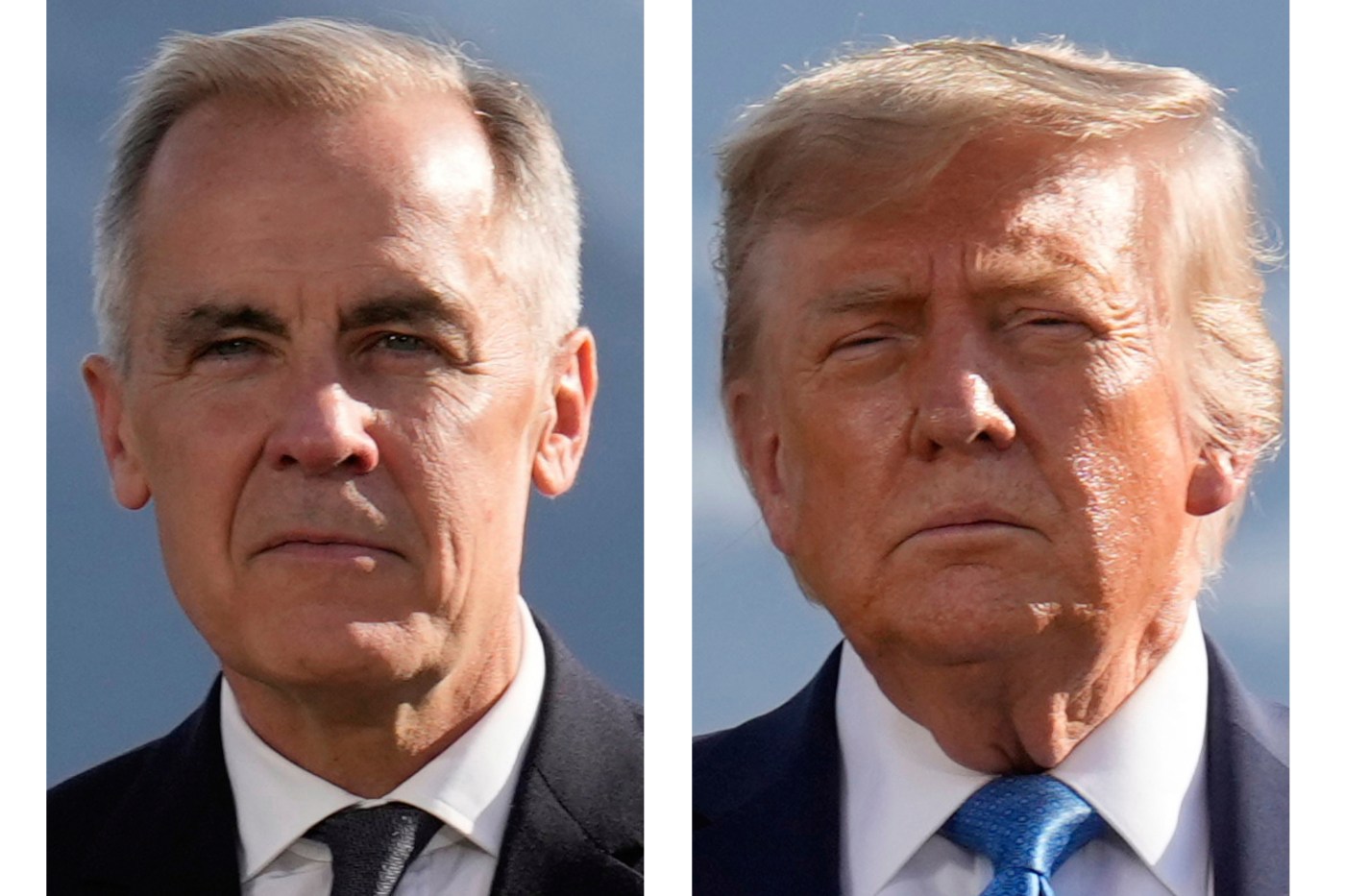
President Donald Trump issued a stark warning on Saturday, indicating he would impose a 100% tariff on goods imported from Canada if the country proceeded with its trade agreement with China. This escalation marks a significant intensification of tensions between Trump and Canadian Prime Minister Mark Carney, who has emerged as a vocal critic of the U.S. president’s policies.
Trump’s threat came via a social media post in which he stated that if Carney believed Canada could serve as a “Drop Off Port” for Chinese goods destined for the United States, he was gravely mistaken. The comment reflects a deeper ongoing trade dispute, as Canada recently negotiated a deal to lower tariffs on Chinese electric vehicles in exchange for reduced import taxes on Canadian agricultural products.
In previous statements, Trump had seemingly supported Carney’s trade efforts, advising that “it’s a good thing for him to sign a trade deal.” However, the current climate suggests a shift as the relationship between the two leaders continues to sour. Dominic LeBlanc, Canada’s Minister of Intergovernmental Affairs and the official responsible for trade with the United States, confirmed that while Canada and China resolved several important trade issues, there has been no move towards a free-trade agreement.
Escalating Tensions and Responses
The situation escalated dramatically amid a backdrop of inflammatory comments. Trump has previously remarked during an event in Davos, Switzerland, that “Canada lives because of the United States,” prompting a pointed rebuttal from Carney. The Canadian Prime Minister asserted, “Canada doesn’t live because of the United States. Canada thrives because we are Canadian.”
This exchange reflects a growing divide between the two nations. Trump had also rescinded an invitation for Carney to join his newly formed “Board of Peace,” aimed at addressing global conflicts. The president’s push for the acquisition of Greenland has added further strain to the NATO alliance, contributing to a sense of discord.
In his social media post, Trump continued to provoke, referring to Carney as “Governor Carney,” a nickname he previously used for Carney’s predecessor, Justin Trudeau. Political science professor Daniel Béland from McGill University noted that Trump seemed to show more respect for Carney earlier, but the dynamic has shifted following Carney’s recent high-profile visit to China and a captivating speech at the World Economic Forum in Davos, which overshadowed Trump’s presence.
The Broader Impact on Trade Relations
As tensions mount, Carney has positioned himself as a leader advocating for collaboration among nations to counterbalance U.S. influence under Trump. At Davos, he emphasized the importance of middle powers acting together, warning that if they are not “at the table, you are on the menu.” This rhetoric has resonated widely, highlighting the perceived rift between the U.S. and its traditional allies.
On March 30, 2024, Trump claimed, “China will eat Canada alive,” warning that the nation would face destruction of its businesses and social fabric. He further stated, “The last thing the world needs is to have China take over Canada,” reiterating his stance that such a situation is “NOT going to happen.”
Despite these threats, Carney has yet to secure a deal with Trump to alleviate existing tariffs impacting key sectors of the Canadian economy. However, Canada has largely mitigated the effects of Trump’s tariffs through the Canada-U.S.-Mexico Agreement, which is scheduled for review this year.
Trade between Canada and the United States remains significant, with approximately US $2.7 billion worth of goods and services crossing the border each day. Canada is the largest supplier of crude oil to the U.S., accounting for nearly 60% of U.S. imports, as well as providing 85% of U.S. electricity imports and being a primary supplier of steel, aluminum, and critical minerals.
As the political landscape continues to evolve, the implications of these trade tensions could have lasting effects on the relationship between Canada and the U.S., particularly as both countries navigate their respective economic interests in a complex global environment.