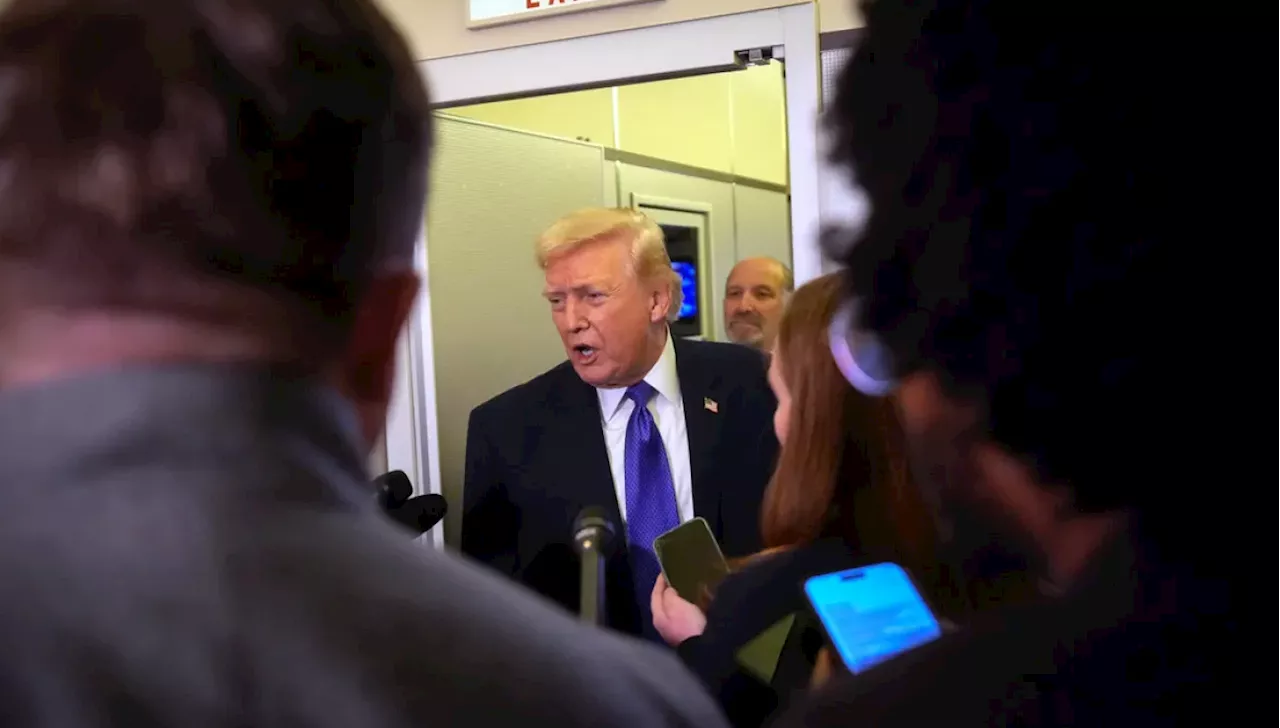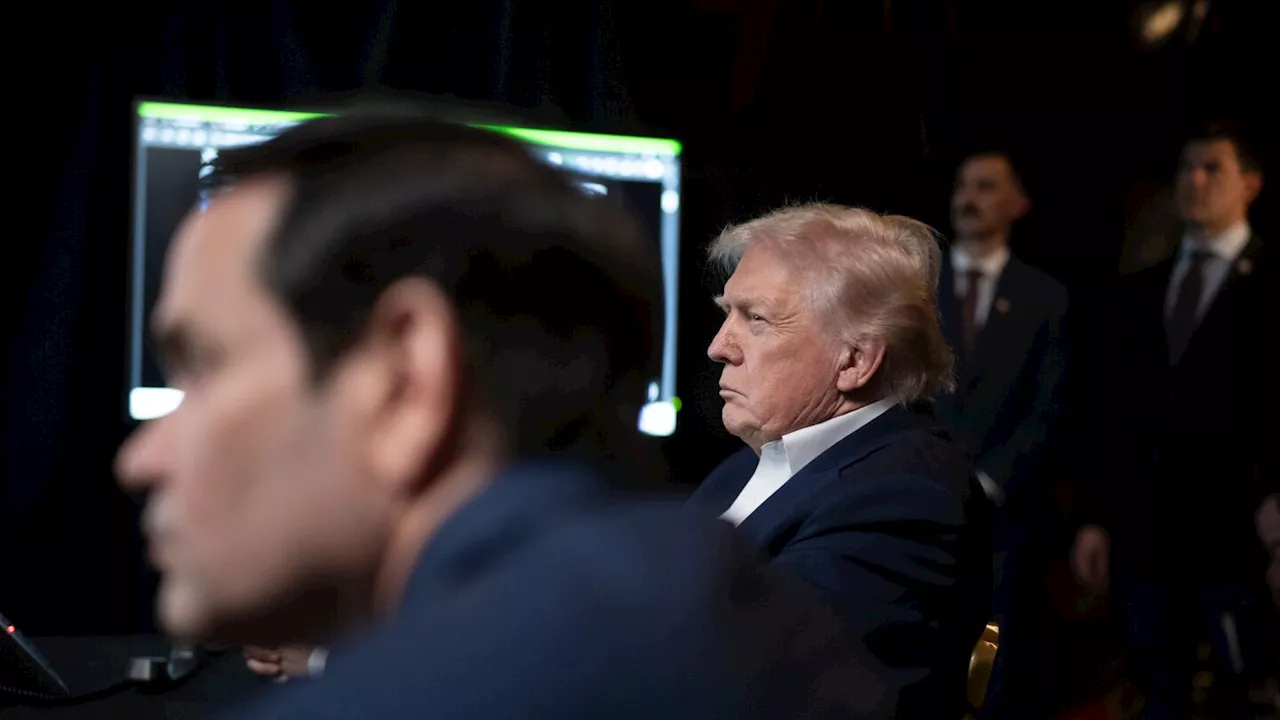
The recent ousting of Venezuelan leader Nicolás Maduro has triggered renewed discussion regarding U.S. foreign policy in Latin America. Following Maduro’s removal, President Donald Trump has revived his controversial proposal to acquire Greenland, a territory currently under Danish governance. Simultaneously, Trump’s administration is intensifying scrutiny of the Cuban government, which the Secretary of State has characterized as “in a lot of trouble.”
On March 1, 2024, Maduro was captured in a U.S. military operation, prompting immediate reactions from the Trump administration. Trump, who previously expressed interest in acquiring Greenland during his first term, reiterated this goal, suggesting that the U.S. could take a more active role in the territory’s governance.
The Secretary of State’s comments regarding Cuba indicate a broader strategy aimed at reshaping U.S. relations in the region. Trump’s remarks suggest a potential shift in approach, focusing on leveraging economic pressure to influence changes within the Cuban government. These developments follow a series of escalating tensions between the U.S. and its southern neighbors, particularly concerning drug trafficking and political alliances.
Implications for U.S. Foreign Policy
The U.S. military operation in Venezuela has significant implications for regional stability and international relations. As military interventions become increasingly scrutinized, the U.S. faces challenges in balancing its strategic objectives against humanitarian concerns. The administration’s focus on Cuba may indicate a desire to counter any influence that Havana may exert in Venezuela following Maduro’s ouster.
Additionally, Trump’s Greenland proposal has sparked discussions about international sovereignty and territorial integrity. The Danish government has previously expressed strong opposition to any notion of selling Greenland, viewing it as a matter of national integrity. The prospect of U.S. territorial ambitions in Greenland raises questions about the future of U.S.-Danish relations.
In the wake of these developments, Marco Rubio, a prominent U.S. Senator, stated that the U.S. would not govern Venezuela directly but would support efforts to implement change through economic sanctions and pressure on the oil sector. This approach aligns with the administration’s broader strategy of using economic tools to influence political change in the region.
Reactions and Future Prospects
The situation has elicited varied reactions from political leaders and analysts. Some experts view Trump’s renewed focus on Greenland and Cuba as a distraction from domestic issues, while others argue it reflects a significant shift in U.S. foreign policy priorities. The implications of these actions could reverberate throughout the Americas, impacting diplomatic relations and regional stability.
As the situation develops, the international community will be watching closely to see how the U.S. navigates its relationships with both Cuba and Denmark. The long-term consequences of these policies remain uncertain, but the potential for increased tension in the region is apparent.
In conclusion, Trump’s renewed ambitions regarding Greenland and his aggressive stance toward Cuba following Maduro’s removal signify a pivotal moment in U.S. foreign policy. With the administration poised to implement significant changes, the repercussions for Latin America and beyond could be profound.