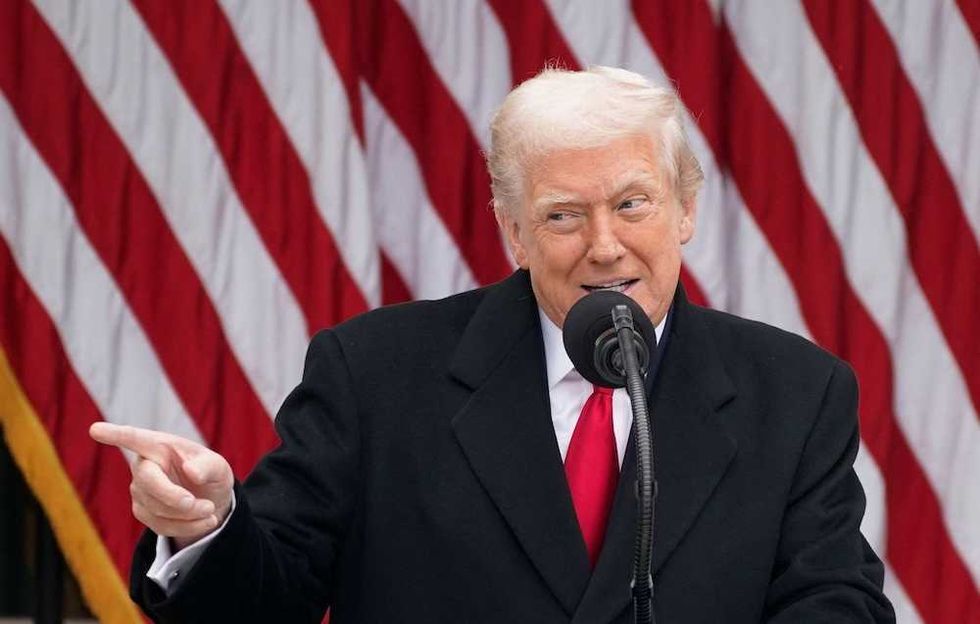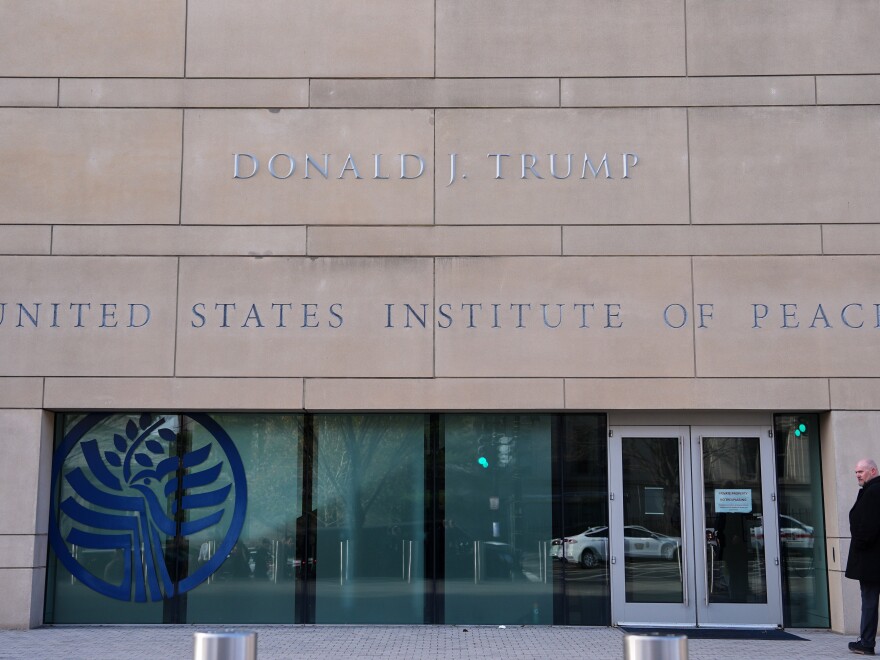
President Donald Trump convened representatives from over two dozen countries on Thursday for the inaugural meeting of his Board of Peace. The session aims to focus on reconstruction and the establishment of an international stabilization force in Gaza, where a fragile ceasefire remains in place following two years of conflict. Trump announced that board members have pledged $5 billion towards reconstruction efforts, a small fraction of the estimated $70 billion required to rebuild the war-torn region.
During the meeting, which includes nations that have joined the board and those that have opted out, members are expected to commit thousands of personnel to support stabilization and policing efforts in Gaza. “We have the greatest leaders in the world joining the Board of Peace,” Trump remarked earlier this week, expressing confidence in its potential impact. The board was established as part of Trump’s 20-point peace plan aimed at resolving the ongoing conflict between Israel and Hamas. Since the ceasefire in October, Trump’s vision for the board has expanded, with aspirations to address global conflicts beyond Gaza.
Global Reception and Concerns
Despite the attendance of representatives from more than 40 countries and the European Union, skepticism remains prevalent among some U.S. allies. Countries such as Germany, Italy, Norway, and Switzerland have chosen not to join the board but are attending as observers. This cautious approach follows a high-level meeting at the U.N. Security Council on the ceasefire deal and Israel’s territorial expansions in the West Bank. The U.N. session was rescheduled to avoid conflicts with Trump’s meeting, highlighting the diplomatic tensions surrounding the events.
Cardinal Pietro Parolin, Secretary of State of the Vatican, emphasized the importance of U.N. leadership in managing international crises. He stated, “At the international level, it should above all be the U.N. that manages these crisis situations.” In response, White House Press Secretary Karoline Leavitt defended the board’s legitimacy, asserting that it embodies Trump’s ambitious vision for reconstruction in Gaza. U.S. Ambassador to the U.N., Mike Waltz, further countered skepticism by indicating that the board is focused on actionable results rather than mere dialogue.
Challenges Ahead for Gaza
A key focus of the inaugural meeting will be discussing the creation of an armed international stabilization force aimed at ensuring security and facilitating the disarmament of Hamas, a crucial requirement for the continuation of the ceasefire. So far, only Indonesia has made a definitive commitment to contribute to this proposed force. Meanwhile, Hamas has shown little inclination to proceed with disarmament, raising concerns about the feasibility of the stabilization efforts.
Despite acknowledging the challenges of demilitarization, the U.S. administration remains optimistic, with reports from mediators suggesting potential pathways forward. Indonesian President Prabowo Subianto expressed a willingness to collaborate with other Islamic nations to promote lasting peace in Palestine, stating, “We recognize there are still obstacles to be overcome, but at least my position is we have to try, and we have to do our best.”
As the meeting progresses, updates from the Gaza Executive Board are anticipated, detailing efforts to establish a functional government and essential services within the territory. Notable speakers at the conference include Secretary of State Marco Rubio, special envoy Steve Witkoff, former British Prime Minister Tony Blair, and high representative Nickolay Mladenov.
Critics, including Michael Hanna, U.S. program director at the International Crisis Group, have raised concerns about the board’s mandate. Many allies are wary of its scope, particularly in light of the lack of clear authorization for extending its focus beyond Gaza. Hanna remarked, “It is unsurprising that many U.S. allies and partners have chosen to decline Trump’s offer to join the board.” As these discussions unfold, the international community watches closely, weighing the potential implications of Trump’s ambitious plan for peace and stability in the region.