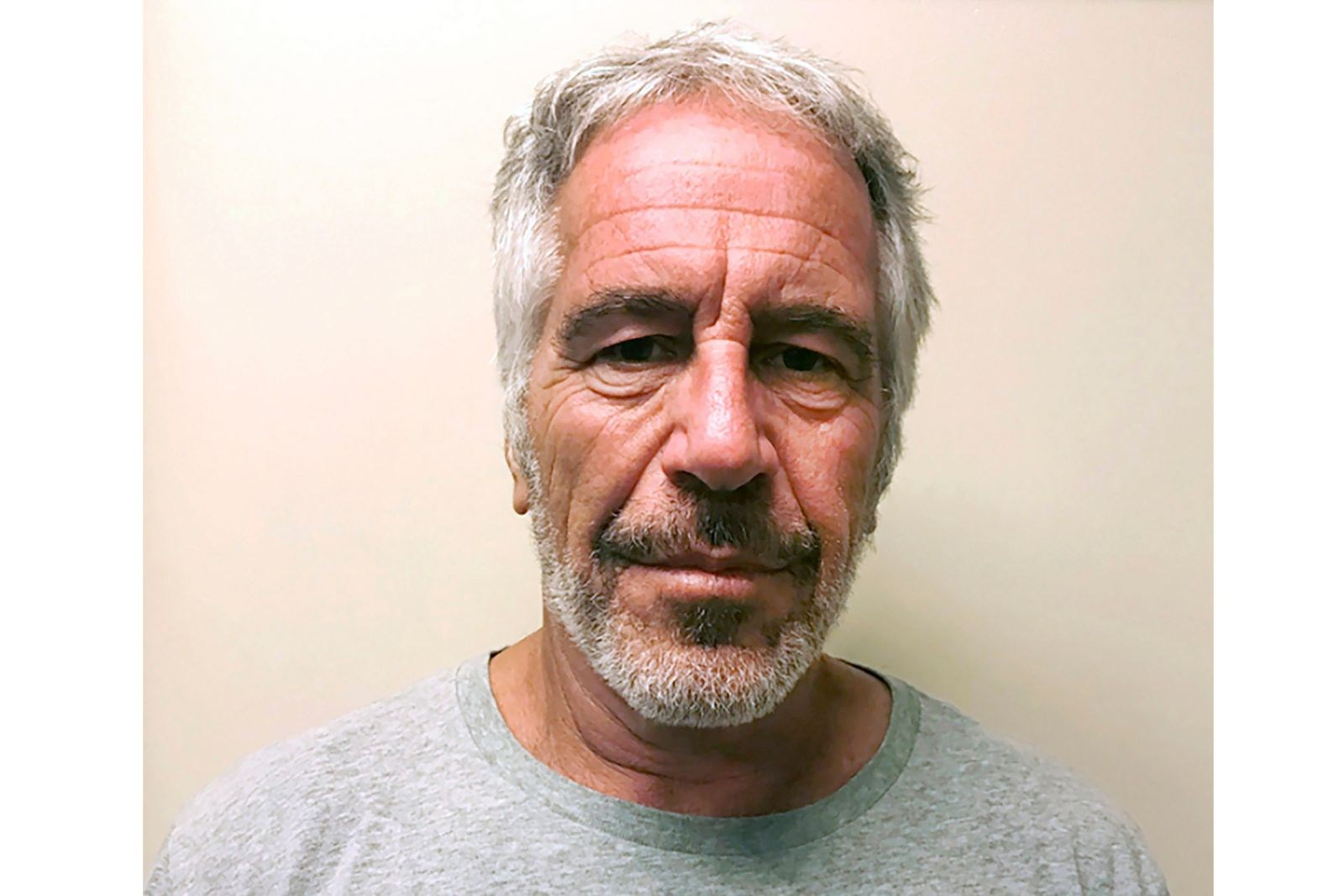
Former President Donald Trump announced his support for the release of files related to the Jeffrey Epstein case, marking a notable shift in his stance as tensions escalate within the Republican Party. On Sunday, Trump expressed on social media that he believes House Republicans should vote in favor of releasing the documents, stating, “We have nothing to hide, and it’s time to move on from this Democrat Hoax perpetrated by Radical Left Lunatics.” His comments came shortly after returning to Joint Base Andrews from a weekend in Florida.
Trump’s endorsement follows a contentious debate among Republicans, particularly highlighting a growing rift with Georgia Rep. Marjorie Taylor Greene, who has been a staunch supporter of the former president. This shift suggests that there is sufficient support among House Republicans for the measure to pass, although its fate in the Senate remains uncertain.
GOP Divisions Over Epstein Files
The emerging conflict within the GOP over the Epstein files has become increasingly pronounced. In a departure from his previous opposition, Trump’s new position reflects the reality that a significant number of Republican lawmakers are poised to support the release. He emphasized the need for the party to focus on its successes, stating, “All I do care about is that Republicans get BACK ON POINT.”
Many lawmakers believe this week will see a substantial number of Republicans voting in favor of the bill, which aims to compel the Justice Department to release all files and communications related to Epstein, along with details concerning the investigation into his death while in federal custody. There is, however, provision for redacting information regarding Epstein’s victims or ongoing investigations.
Rep. Thomas Massie of Kentucky, a key supporter of the bill, suggested that a significant turnout could include “100 or more” Republican votes. He and Rep. Ro Khanna of California had previously introduced a discharge petition in July to facilitate a vote on this legislation, a mechanism that allows a majority of members to bypass House leadership in order to force a vote.
Despite initial resistance from GOP leadership, including Speaker Mike Johnson, who criticized the discharge petition, it seems momentum is shifting. Johnson has indicated that he expects the House to support the bill decisively, insisting, “We’ll just get this done and move it on. There’s nothing to hide.”
Key Players and the Implications
The backdrop to this legislative effort includes new revelations surrounding Epstein, including a 2019 email in which Epstein suggested that Trump “knew about the girls.” The White House has accused Democrats of selectively leaking information to discredit Trump, with Johnson asserting that the former president has no connection to any wrongdoing related to Epstein.
Trump’s links to Epstein are documented, with his name appearing in records released by the Justice Department earlier this year. Notably, Trump has never been accused of any illegal activities in connection with Epstein, a figure notorious for his connections to numerous high-profile individuals from both political and entertainment spheres.
Khanna, while expressing cautious optimism about the number of Republican supporters, noted the need for broader accountability, stating, “There are a lot of other people involved who have to be held accountable.” He has invited Trump to meet with victims of Epstein’s abuse, emphasizing the importance of addressing their experiences.
Massie warned that Republican lawmakers who oppose the release could face long-term repercussions, saying, “The record of this vote will last longer than Donald Trump’s presidency.”
In a further sign of the divisive atmosphere, Trump has distanced himself from Greene, suggesting he may endorse a challenger against her in the 2026 elections. Greene, for her part, expressed confusion over Trump’s criticism, stating that many women she has spoken to do not believe he did anything wrong.
As the House prepares for a vote, there remains uncertainty regarding Senate support. Massie urged Senate Majority Leader John Thune to act in favor of the bill, anticipating that significant House support could influence Senate Republicans to follow suit.
The outcome of this legislative effort could not only impact the political landscape within the Republican Party but also shape the narrative surrounding Epstein’s legacy and the broader implications for those involved in his high-profile circle.