In a recent letter published in response to an article in *Vanity Fair*, a critic has accused former President Donald Trump of undermining American history. The letter highlights remarks made by Trump’s chief of staff, who described the former president as having an “alcoholic’s personality.” This characterization has been condemned as misleading and offensive to those with alcohol use disorders, suggesting that it inaccurately simplifies complex issues surrounding addiction.
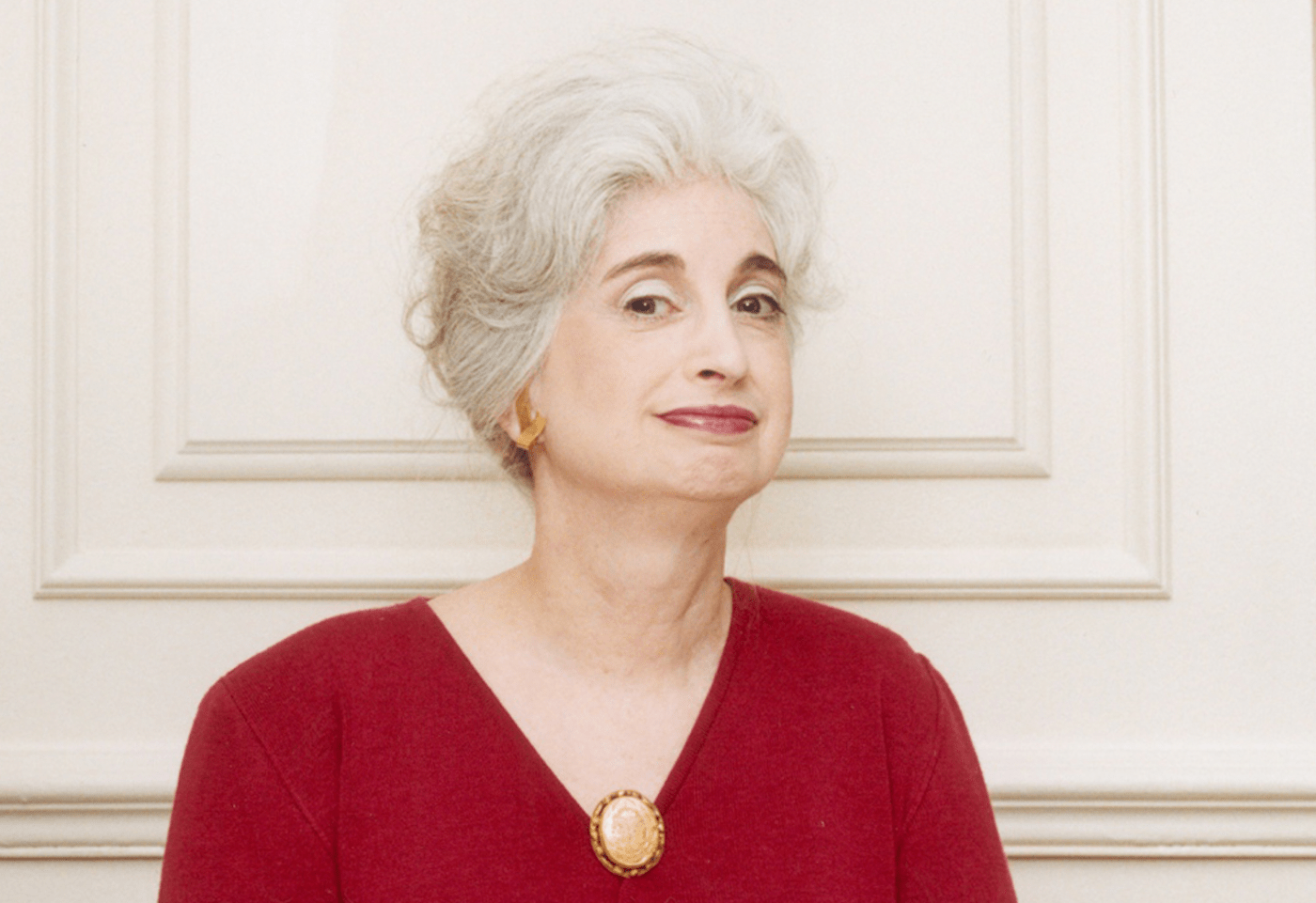
The author of the letter, Jeffrey Blau from Clarks Summit, argues that individuals with substance use disorders do not inherently possess a drive for power or a penchant for causing harm, as attributed to Trump. Instead, he alleges that the former president exhibits a “raging racist inferiority personality,” which manifests in attempts to diminish the accomplishments of minority groups in America.
Blau specifically points to several actions taken by Trump that he believes reflect this ideology. He claims that Trump has sought to erase the contributions of African American, Hispanic, and women veterans from the Arlington National Cemetery website. Additionally, he alleges that Trump pressured the Smithsonian Institution to remove exhibits related to racial injustice.
The letter also mentions Trump’s attempts to influence the National Museum of African American History by asserting that certain exhibits conveyed “inappropriate racial ideology.” In a notable incident, training materials concerning the Tuskegee Airmen were reportedly removed from Air Force training programs under Trump’s direction but were reinstated following public outcry.
Blau contends that these actions demonstrate a refusal by Trump to acknowledge the significant sacrifices made by people of color throughout American history. He criticizes the former president for prioritizing relationships with foreign leaders, such as Russian President Vladimir Putin, over issues affecting domestic communities.
In conclusion, the letter serves as a call to recognize the historical contributions of marginalized groups and to resist attempts to rewrite or diminish their narratives in American history. With growing scrutiny on Trump’s policies and statements, the debate over historical representation continues to resonate across the nation.