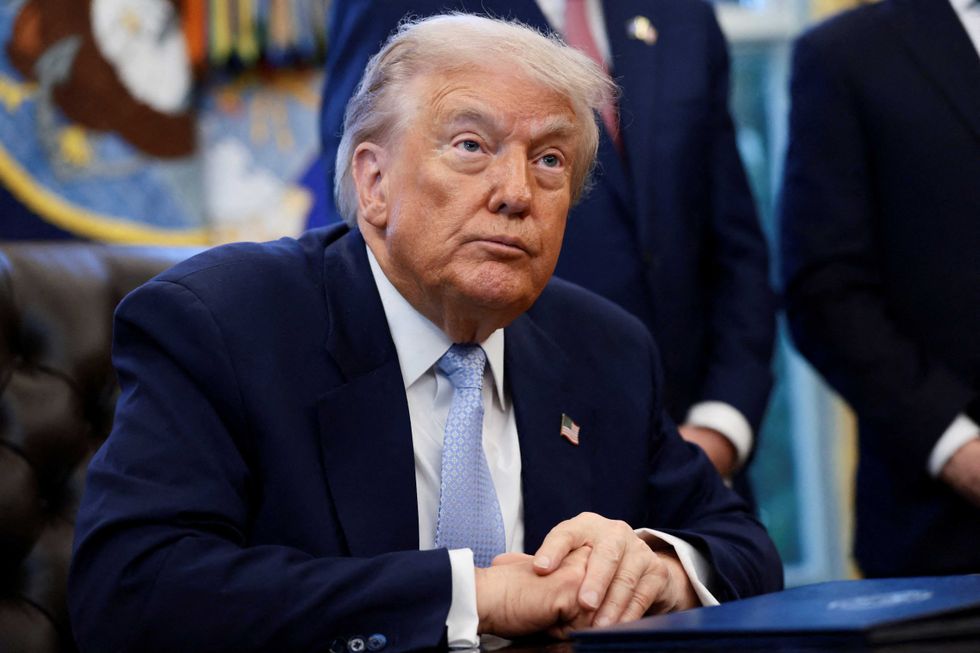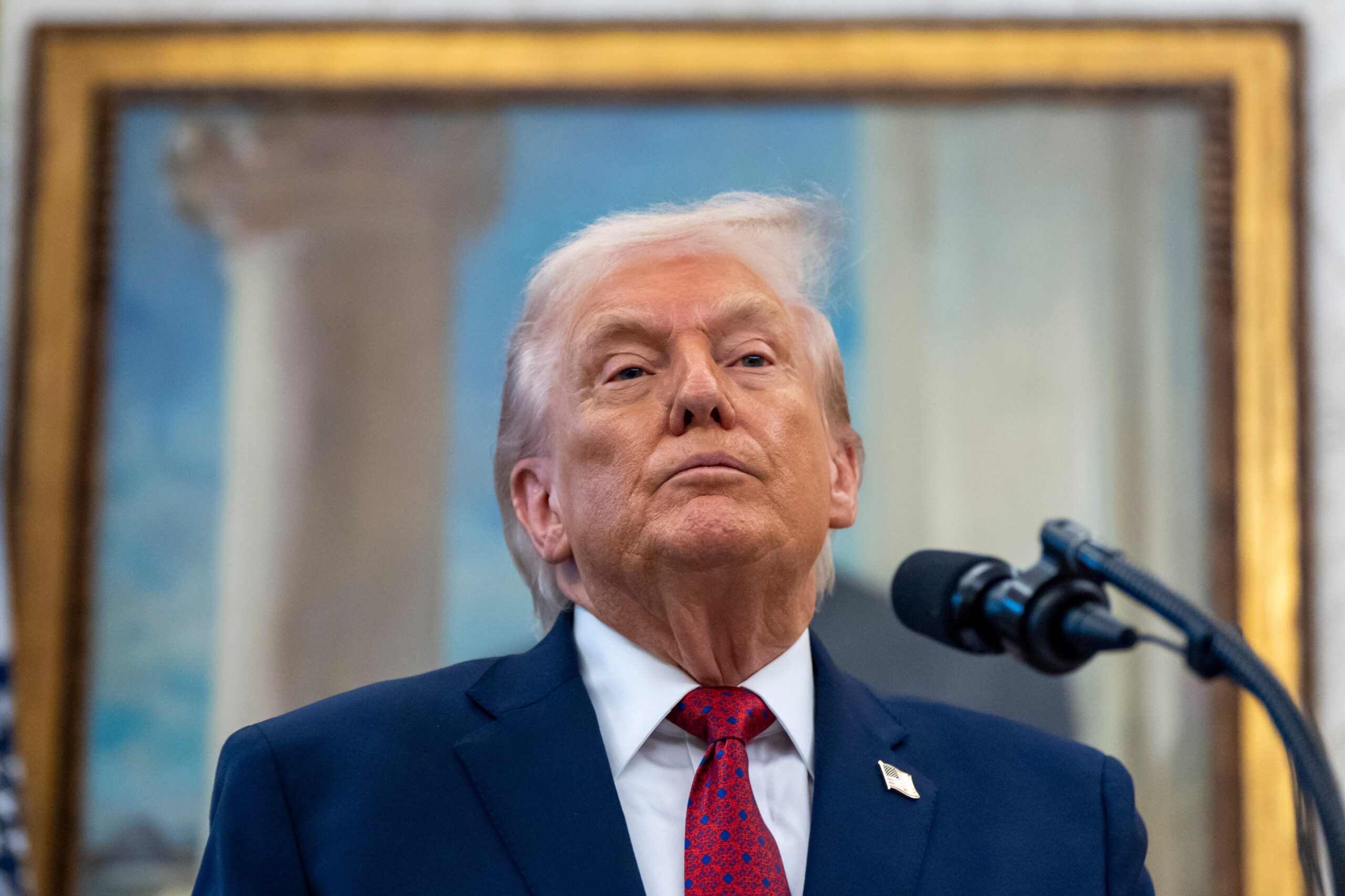
Former U.S. President Donald Trump has officially designated fentanyl as a weapon of mass destruction, a move that could significantly reshape American policy towards China and influence military strategies in the Western Hemisphere. This declaration, made on March 15, 2024, underscores the escalating concerns surrounding the opioid crisis in the United States.
Fentanyl, a synthetic opioid, has been linked to a dramatic rise in overdose deaths across the nation. According to the Centers for Disease Control and Prevention (CDC), there were over 100,000 drug overdose deaths in the U.S. in 2022, with fentanyl involved in nearly 70% of those fatalities. The declaration aims to address the severe public health crisis and the influx of illicit fentanyl from China and Mexico.
By categorizing fentanyl as a weapon of mass destruction, the Trump administration is poised to take a tougher stance on drug trafficking. This could lead to increased pressure on the Chinese government to curb the production and exportation of fentanyl precursors. Additionally, it may foster closer military cooperation with neighboring countries in the fight against drug trafficking.
Implications for U.S.-China Relations
The move raises significant questions about U.S.-China relations, which have already been strained by trade disputes and geopolitical tensions. The National Security Council has indicated that this classification will serve as a basis for potential sanctions against Chinese entities involved in the production of fentanyl. Officials suggest that the administration is prepared to implement additional measures to disrupt the supply chain.
While this designation aligns with Trump’s hardline approach to national security, critics argue that it may not effectively address the root causes of the opioid crisis. Health experts emphasize that a comprehensive strategy, including treatment and prevention programs, is essential for tackling addiction and reducing overdose fatalities.
Military and Policy Shifts
In tandem with this declaration, the Trump administration is expected to ramp up military presence in the Western Hemisphere. This includes enhancing cooperation with countries in Central America that are critical in the transit of drugs into the U.S. The goal is to create a more robust defense against drug trafficking operations that exploit vulnerabilities in the region.
This policy shift may also involve increased funding for law enforcement and border security initiatives aimed at curbing the flow of fentanyl into the United States. The administration has proposed a budget increase that could allocate upwards of $1 billion for these efforts.
The declaration of fentanyl as a weapon of mass destruction is a bold statement in the ongoing battle against drug-related deaths. It reflects an urgent need for decisive action in a crisis that has claimed countless lives. As the situation evolves, it will be crucial to monitor both the domestic and international responses to this significant policy change.