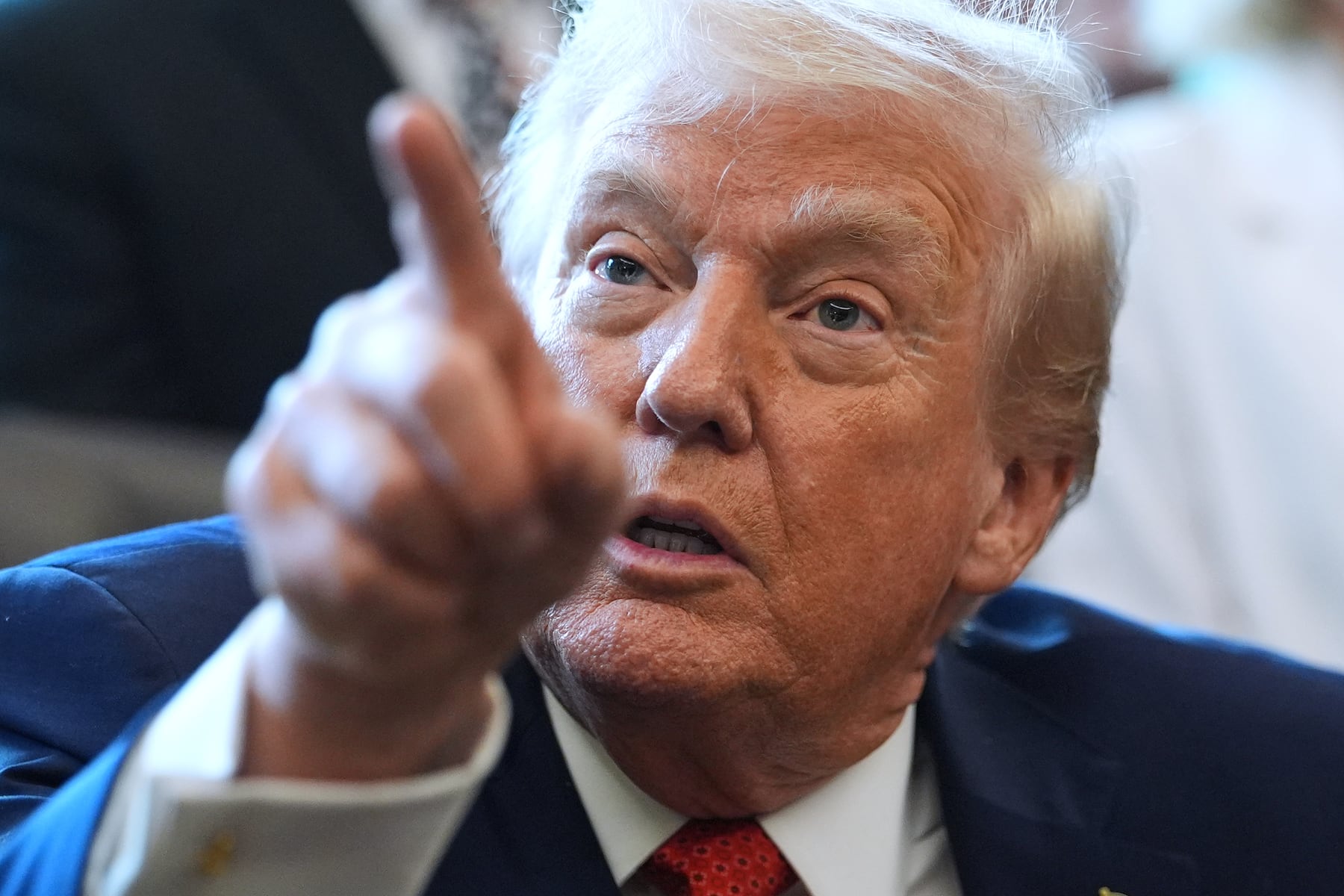
The Trump administration is set to recall nearly 30 career diplomats from their ambassadorial and senior embassy positions as part of a broader strategy to align U.S. diplomatic efforts with President Donald Trump’s “America First” agenda. This significant personnel shift involves chiefs of mission from at least 29 countries, who were informed last week that their tenures would conclude in January.
Sources within the U.S. State Department, speaking anonymously to discuss internal matters, revealed that these diplomats were appointed during the Biden administration but had previously survived an initial round of personnel changes that primarily affected political appointees early in Trump’s second term. The recent notifications indicate a decisive shift in the administration’s approach to diplomatic representation.
Details of the Diplomatic Shake-Up
Ambassadors typically serve at the pleasure of the president and generally remain in their posts for three to four years. The diplomats affected by this recall will not lose their positions within the foreign service; instead, they will return to Washington for other assignments if they choose to do so. The State Department has refrained from commenting on the specific numbers or identities of the ambassadors involved, yet it has characterized the changes as part of “a standard process in any administration.”
In defending this strategy, officials emphasized that ambassadors are “personal representatives of the president” and it is within the president’s rights to ensure that those in key diplomatic roles support his policy priorities.
Regions Impacted by the Changes
The continent of Africa is the most significantly affected, with ambassadorial changes occurring in 13 countries, including Burundi, Cameroon, Cape Verde, Gabon, Ivory Coast, Madagascar, Mauritius, Niger, Nigeria, Rwanda, Senegal, Somalia, and Uganda. The Asia region follows closely, with six countries experiencing changes: Fiji, Laos, the Marshall Islands, Papua New Guinea, the Philippines, and Vietnam.
Changes are also noted in four European nations—Armenia, Macedonia, Montenegro, and Slovakia. In the Middle East, Algeria and Egypt will see shifts, while Nepal and Sri Lanka are affected in South Asia. The Western Hemisphere will see changes in Guatemala and Suriname.
Reports from Politico, which first highlighted these diplomatic recalls, indicate that the move has raised concerns among some lawmakers and the union representing American diplomats. This development reflects ongoing tensions within the U.S. diplomatic community as personnel align with the current administration’s priorities.