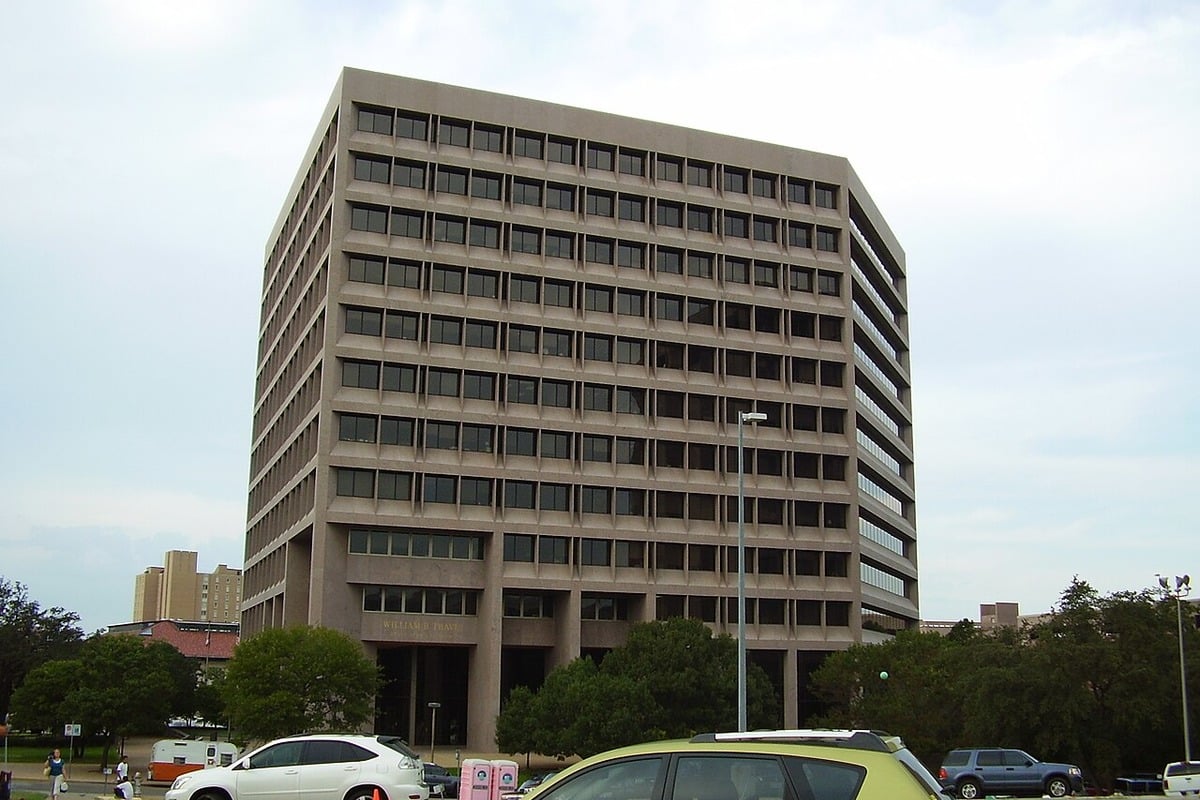
A group of Texas educators has initiated a federal lawsuit challenging the state’s authority over their online speech. Filed on January 6, 2024, in U.S. District Court in Austin, the suit questions a directive from the Texas Education Agency (TEA) that directs school superintendents to monitor and report teachers’ social media posts related to the assassination of conservative activist Charlie Kirk.
The lawsuit, brought forth by the Texas American Federation of Teachers, argues that the directive from Education Commissioner Mike Morath has led to retaliatory actions against educators. It claims the policy is excessively broad and infringes on teachers’ rights to free speech, particularly when they are not on duty. The union seeks an injunction to prevent the TEA from enforcing the directive and to halt ongoing investigations prompted by it.
In September, Morath issued a letter instructing superintendents to submit documentation of educators posting what the TEA classified as “reprehensible and inappropriate content.” This letter raised concerns among educators about the potential consequences of their online expressions. Morath warned that posts which could “call for or incite further violence” would not qualify as protected speech under the Educators’ Code of Ethics.
The fallout from this directive has been significant. Reports indicate that it has prompted over 350 complaints regarding educators’ online comments. As of early January, the TEA confirmed that 95 investigations were still active, with some school districts already disciplining or terminating employees based on their social media activity.
Legal Framework and Implications
In evaluating cases involving public employee speech, courts typically employ a two-part test. This involves determining whether the individual spoke as a private citizen on a matter of public concern and assessing whether that speech caused sufficient disruption to justify the employer’s response. These legal standards stem from precedents set in landmark Supreme Court cases, including Pickering v. Board of Education and Garcetti v. Ceballos.
Legal experts suggest that a crucial aspect of this case will be whether the teachers were clearly acting as private citizens and if their posts resulted in actual disruptions within the school environment. Local legal scholars have noted that the burden of proof typically lies with the state to demonstrate a material disruption caused by off-duty speech.
Political Context and Future Developments
The lawsuit is unfolding amidst a broader political landscape in Texas, where state leaders, including Governor Greg Abbott and Lieutenant Governor Dan Patrick, are encouraging conservative movements within public education. Recently, they announced plans to expand chapters of Turning Point USA in high schools, a move that critics argue could further politicize the classroom environment and heighten risks for teachers who express dissenting views.
The union’s complaint requests that the court command the TEA to retract Morath’s September letter and cease any related investigations. Should the court rule in favor of the union, it could lead to the closure of numerous active probes. Conversely, a ruling favoring the state could maintain the agency’s authority to scrutinize teachers’ private online speech.
Currently, the case is set to progress through the federal court system in Austin, with motions and discovery expected to take several months. The TEA has opted not to comment on the ongoing litigation. The outcome may define the boundaries of permissible speech for teachers in Texas, impacting their online expressions once they step outside the classroom.