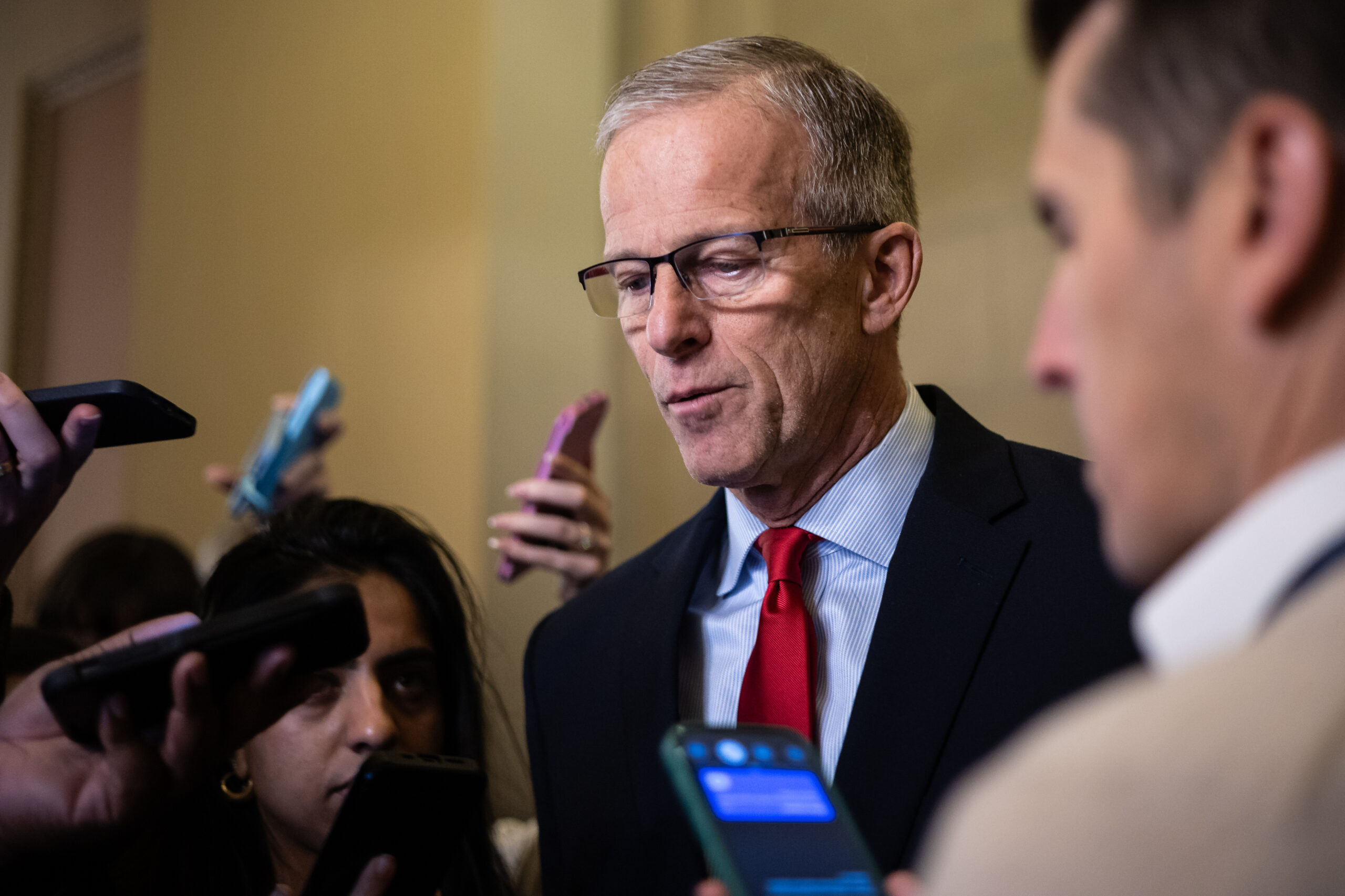
The Supreme Court is currently deliberating a significant challenge to a longstanding federal ruling that restricts political party spending on candidates. This case, backed by the Republican Party and the Trump administration, questions the validity of a 2001 ruling that upheld regulations aimed at preventing substantial donors from circumventing contribution limits. The core issue at stake is whether federal coordinated party expenditure limits infringe upon the First Amendment, which protects free speech rights.
The challenge comes at a time when the Republican Party is advocating for greater spending flexibility. The Federal Election Commission and GOP representatives assert that these spending limits should be viewed skeptically, especially given the conservative majority’s history of overturning various campaign finance restrictions. Notably, the 2010 Citizens United decision allowed for limitless independent spending, fundamentally changing the landscape of campaign finance in the United States.
Democrats are rallying in support of the existing law, urging the Supreme Court to maintain the restrictions designed to guard against potential corruption in campaign financing. A federal appeals court previously sided with the Democrats, affirming the legal framework intended to regulate campaign contributions.
Former Senator Russ Feingold, a Democrat from Wisconsin who co-authored campaign finance reform legislation with then-Senator John McCain, has expressed strong opposition to the GOP challenge. In a brief submitted to the Supreme Court, Feingold’s attorneys argued that a thriving representative democracy requires elected officials to remain accountable to their constituents. They emphasized that campaign finance regulations serve to prevent the appearance of corruption, stating, “For years, opponents of regulation have persistently chiseled away at the limits established to prevent excessive campaign cash from corrupting our elections.”
As the Supreme Court considers this pivotal case, the implications could reshape the financial dynamics of political campaigns in the United States. The decision will not only influence party strategies but may also redefine the relationship between money and politics in the nation. The outcome could have far-reaching consequences, potentially altering the balance of power among political entities and affecting future elections.