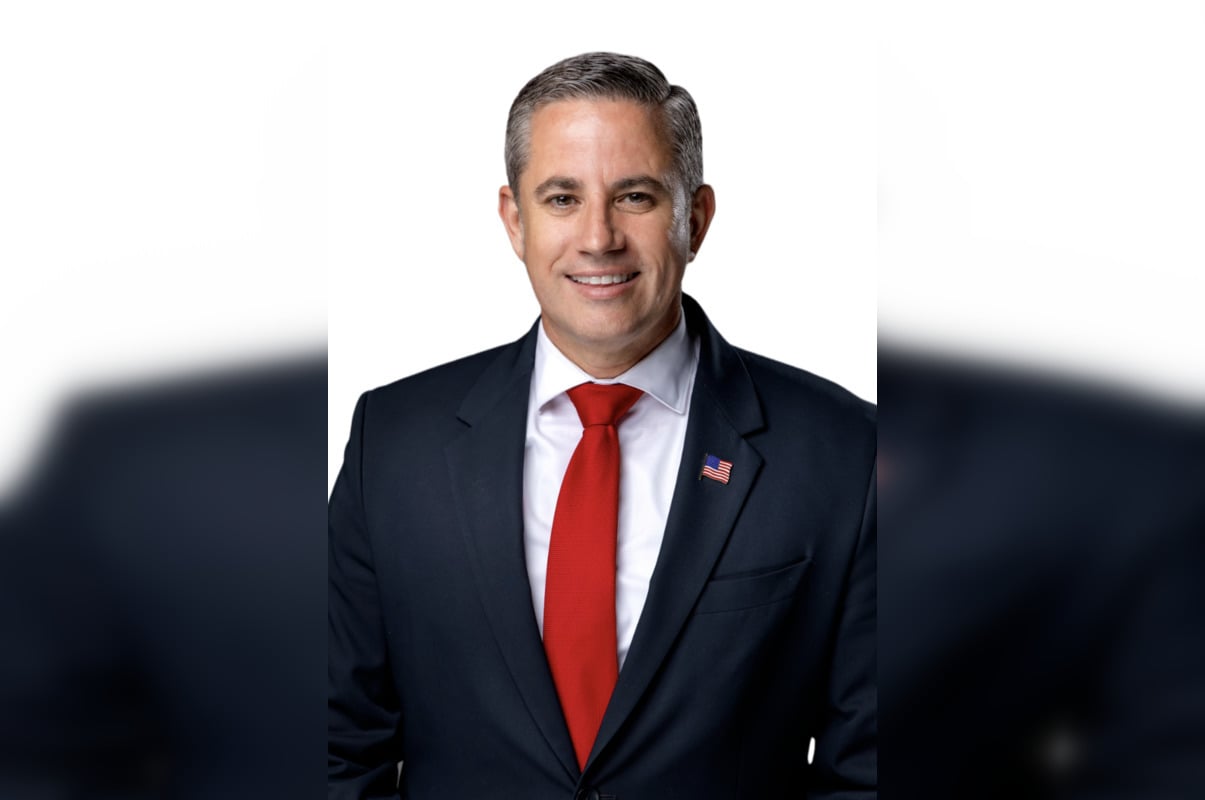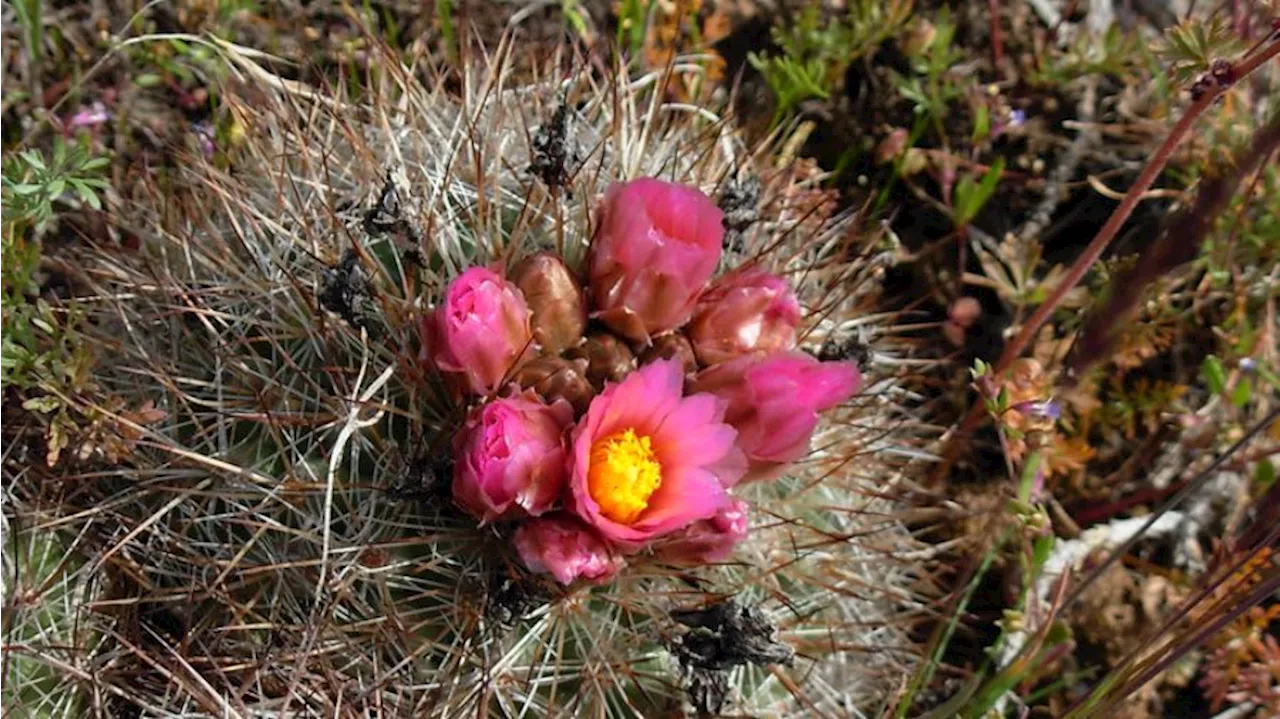
Washington lawmakers are considering a unique measure inspired by students, as a bill to recognize the state’s nickname, the Evergreen State, gains traction. The initiative, known as the cactus bill, emerged from research conducted by elementary students in Ellensburg, who presented their findings on the resilient desert plant to legislators. Senator Judy Warnick, who is championing this initiative, highlighted the students’ enthusiasm and the educational role of their teachers in guiding them through the legislative process.
“They testified, and they actually brought interest to other people all over the state,” Warnick stated. “We can’t forget the teachers who helped nurture these students’ curiosity and actions. They’re teaching these kids that their voices matter, and that’s a lesson that’ll last a lifetime.” This grassroots effort exemplifies how young individuals can influence policy and engage in civic activities.
Formal Recognition of the Evergreen State
In addition to the cactus bill, the Washington State Senate has unanimously passed Senate Bill 5000, which aims to officially recognize Washington’s long-cherished nickname. Senator Jeff Wilson noted that efforts to formalize this nickname have been ongoing for more than 130 years. “I know we have bigger issues to consider – we always do,” Wilson remarked. “But how many of us remember having to memorize the nicknames of all 50 states? It’s about time we do right by grade schoolers everywhere.”
This formal recognition reflects not only a symbolic gesture but also a connection to the state’s identity. The nickname has been widely used, and its official endorsement represents a commitment to honoring state heritage.
Amid the legislative session, which is dominated by budget discussions and proposals on various law enforcement measures, these bills have garnered attention for their lighter yet meaningful implications. The enthusiasm surrounding them highlights the diverse issues lawmakers are tackling, from serious legislative reforms to those that inspire community engagement.
Broader Legislative Context
While the cactus bill and the nickname recognition have taken center stage, other pressing matters are also under consideration. Lawmakers are discussing proposals to lower the legal blood-alcohol limit and policies regarding police face coverings. These topics, while critical, often overshadow initiatives that engage the public in more interactive ways.
Additionally, the state is addressing logistical concerns, such as the significant number of Washington drivers with expired vehicle tabs. Approximately 600,000 drivers are affected, which has led to discussions about increasing fines and the potential for impounding vehicles parked on public streets for over 45 days without current registration.
As Washington navigates these various legislative avenues, the success of the cactus bill and the formal recognition of the Evergreen State serve as reminders of the power of civic engagement and the importance of nurturing curiosity in younger generations. These initiatives not only reflect the aspirations of students but also demonstrate the willingness of lawmakers to listen and act on the voices of their constituents.
In summary, as Washington continues to address pressing legislative concerns, the inspiration drawn from students showcases an essential connection between education, civic engagement, and policy-making. The cactus bill, alongside the recognition of the Evergreen State, illustrates how grassroots movements can influence state identity and legislative action.