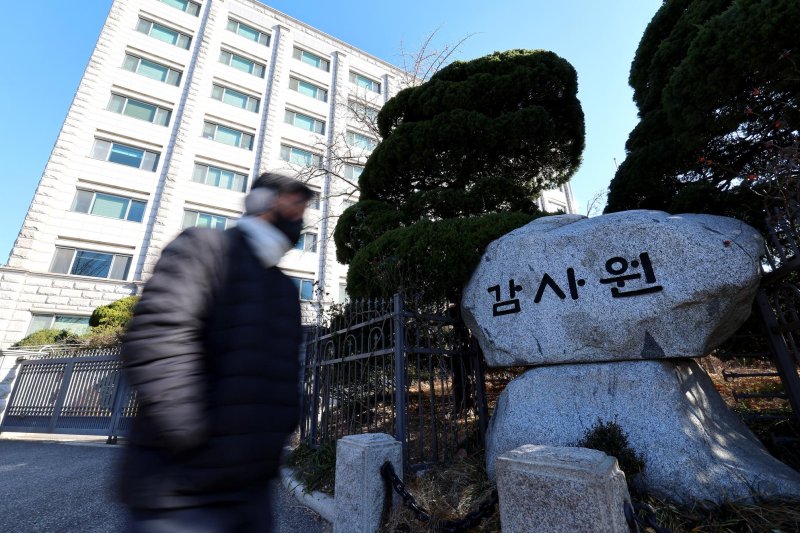
South Korea’s Board of Audit and Inspection has revised its internal regulations, effectively discontinuing reviews of major government policies, known as “policy audits.” As of December 12, 2023, the agency will limit its scrutiny to issues involving illegal acts or corruption, following approval from the Board of Audit and Inspection Committee on December 3, 2023.
The updated “Audit Affairs Processing Rules” indicate a significant shift in the agency’s operational focus. Under the new guidelines, audits will no longer cover areas such as factual judgments underlying policy decisions, data inaccuracies, or the legality of the decision-making process. The Board stated that its revised approach will concentrate on identifying illegal and corrupt activities where corrective measures are necessary.
Focus on Core Duties Amid Criticism
In response to the changes, the Board emphasized its commitment to core responsibilities, which include accounting audits and duty inspections mandated by the Constitution and the Board of Audit and Inspection Act. Officials expressed a desire to avoid controversies that could negatively impact public-sector morale.
Critics of the new policy warn that this narrowing of scope may weaken oversight, particularly over misjudgments or distorted data that, while not criminal, can lead to significant financial losses or adverse social consequences. An unnamed official from the Board highlighted that the quality and accountability of policy decisions improve when legality is assessed alongside rationality and validity. They argued that audits should serve as institutional safeguards rather than obstacles to effective implementation.
The rule change follows comments made by President Lee Jae-myung, who suggested in July that “policy audits” could diminish the motivation of public officials. Additionally, Kang Hoon-sik, the Presidential Chief of Staff, publicly discussed plans to eliminate policy audits in previous months.
Historical Context and Future Implications
The decision has drawn comparisons to past audits that showcased the Board’s independence, including investigations into the Yulgok Project and the scrutiny of former Presidents Chun Doo-hwan and Roh Tae-woo related to allegations surrounding the Peace Dam. The agency also previously conducted an audit into the Haengdamdo development corruption case during the administration of Roh Moo-hyun.
The intent behind the recent revisions is to approach policy decisions, which often involve political value judgments, with increased caution. The Board aims to continue holding accountable those who engage in corruption and misconduct while enhancing overall performance and efficiency through targeted audits.
The implications of these changes could reshape the landscape of public accountability in South Korea, potentially affecting how government policies are evaluated and implemented moving forward.