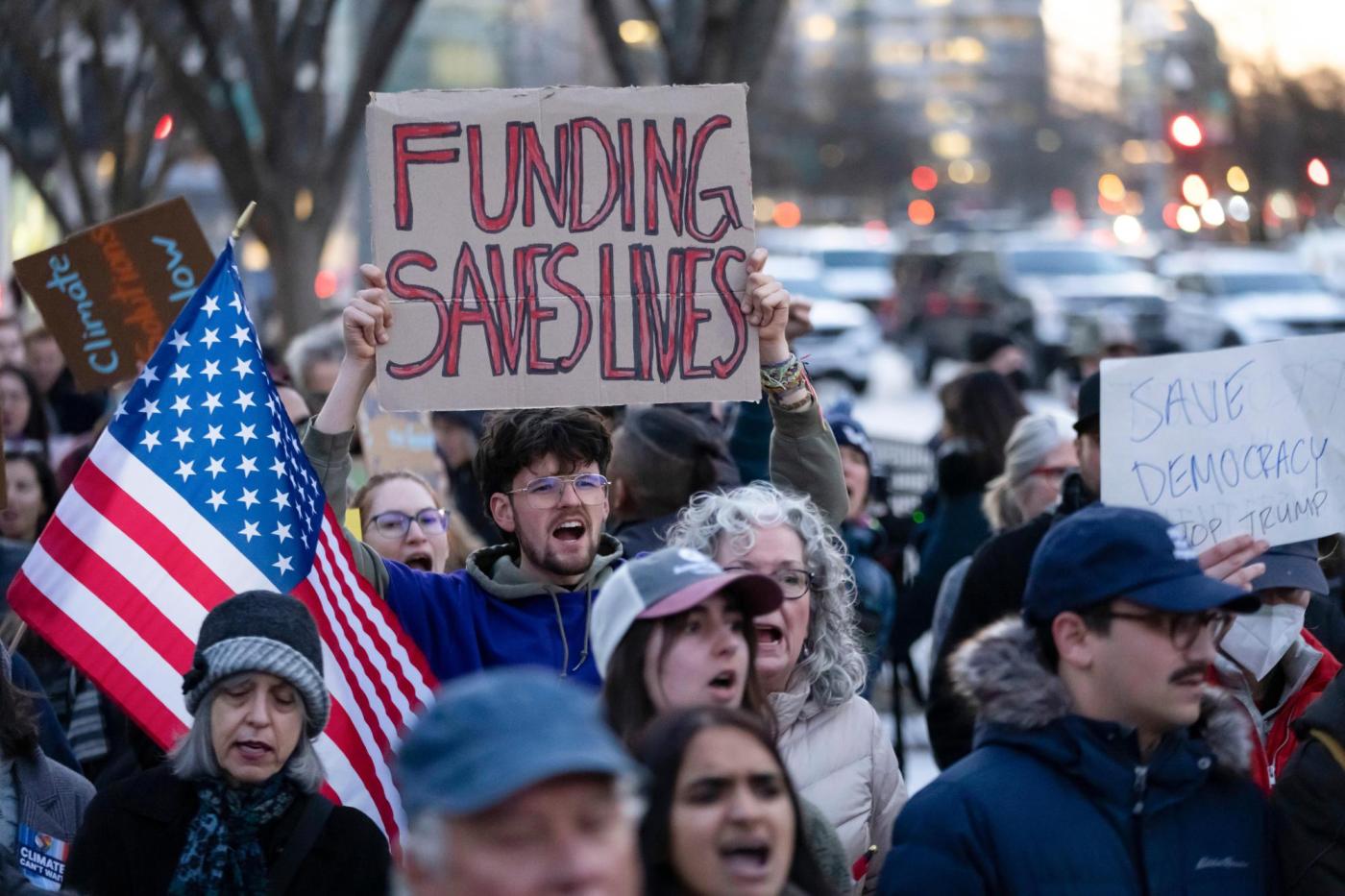
The recent government shutdown has ignited a fierce debate over its implications for vulnerable populations, particularly children. Critics argue that the political deadlock, largely attributed to Congressional inaction, threatens essential food benefits for families dependent on federal assistance. As a result, many children face increased hunger and insecurity, prompting calls for accountability from elected officials.
Midge Fournier, a concerned citizen from DeLand, expressed frustration at the disconnect between political rhetoric and actions that affect families. She highlighted that while some lawmakers advocate for family values, their decisions have resulted in significant harm. “The ruthless shutdown means some households aren’t getting an income,” she stated. Fournier also emphasized the long-term effects of restricted health care and education funding, both of which disproportionately impact children.
In a different perspective, Donald Duenes from Orlando defended the ongoing renovation of the East Wing of the White House. In response to criticism regarding the project, he asserted that the updates are necessary for modern gatherings, noting that the East Wing was originally constructed in 1902 to accommodate increasing meeting demands. He clarified that private donations fund the renovations, distancing them from taxpayer money. “That used to incur admiration, not mistrust and disdain,” Duenes remarked.
Amidst the political turmoil, a significant act of philanthropy emerged. Timothy Mellon, a financier, anonymously donated $130 million to ensure that military personnel continue to receive their pay during the shutdown. This gesture was widely praised, with many advocating for recognition of his contribution. John Sasko from Boca Raton urged that Mellon deserves the Presidential Medal of Freedom for his selfless action. “It’s important to note that Mellon made his incredible gesture with the intent to remain anonymous,” Sasko noted, highlighting the challenge of keeping such goodwill from public scrutiny.
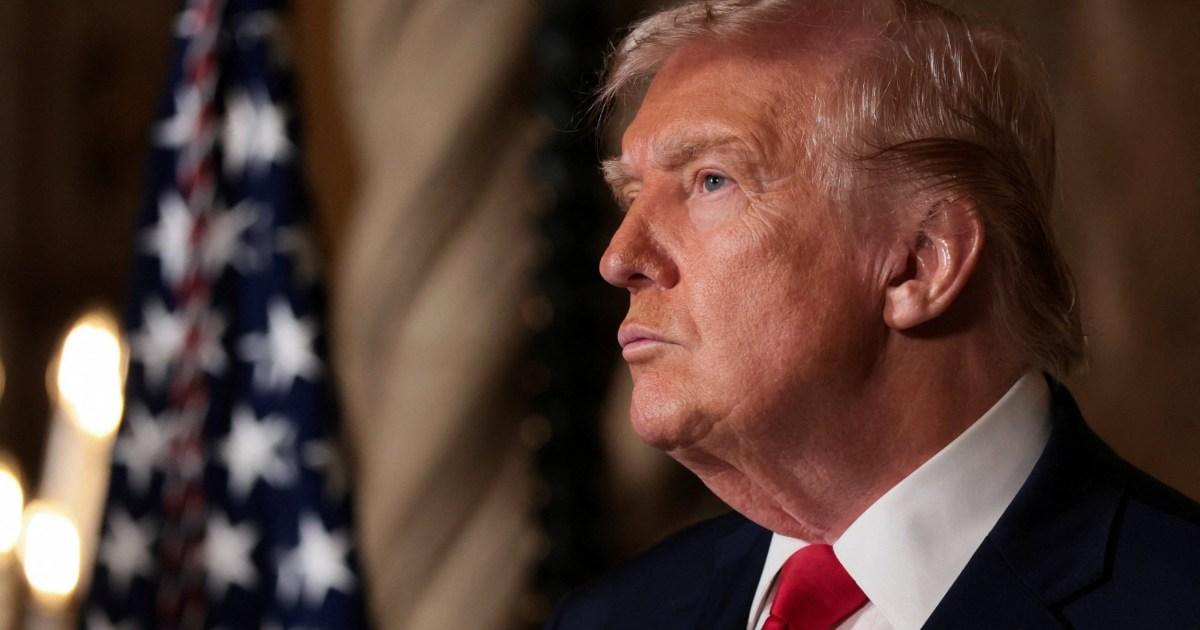
Criticism of political leadership also surfaced, particularly regarding actions by President Trump. Pat Matthews from Orlando condemned what he termed “juvenile cruelty” from the nation’s leader, referencing a video where Trump displayed a crown and engaged in mocking behavior. Matthews called for a collective response to restore decency in public discourse, stating, “This isn’t about politics; it’s about decency.”
In summary, the repercussions of the government shutdown extend beyond immediate financial implications, affecting the wellbeing of children and prompting dialogue about leadership and responsibility. As citizens grapple with these issues, the actions of individuals, both in politics and philanthropy, will continue to play a critical role in shaping public sentiment and policy.