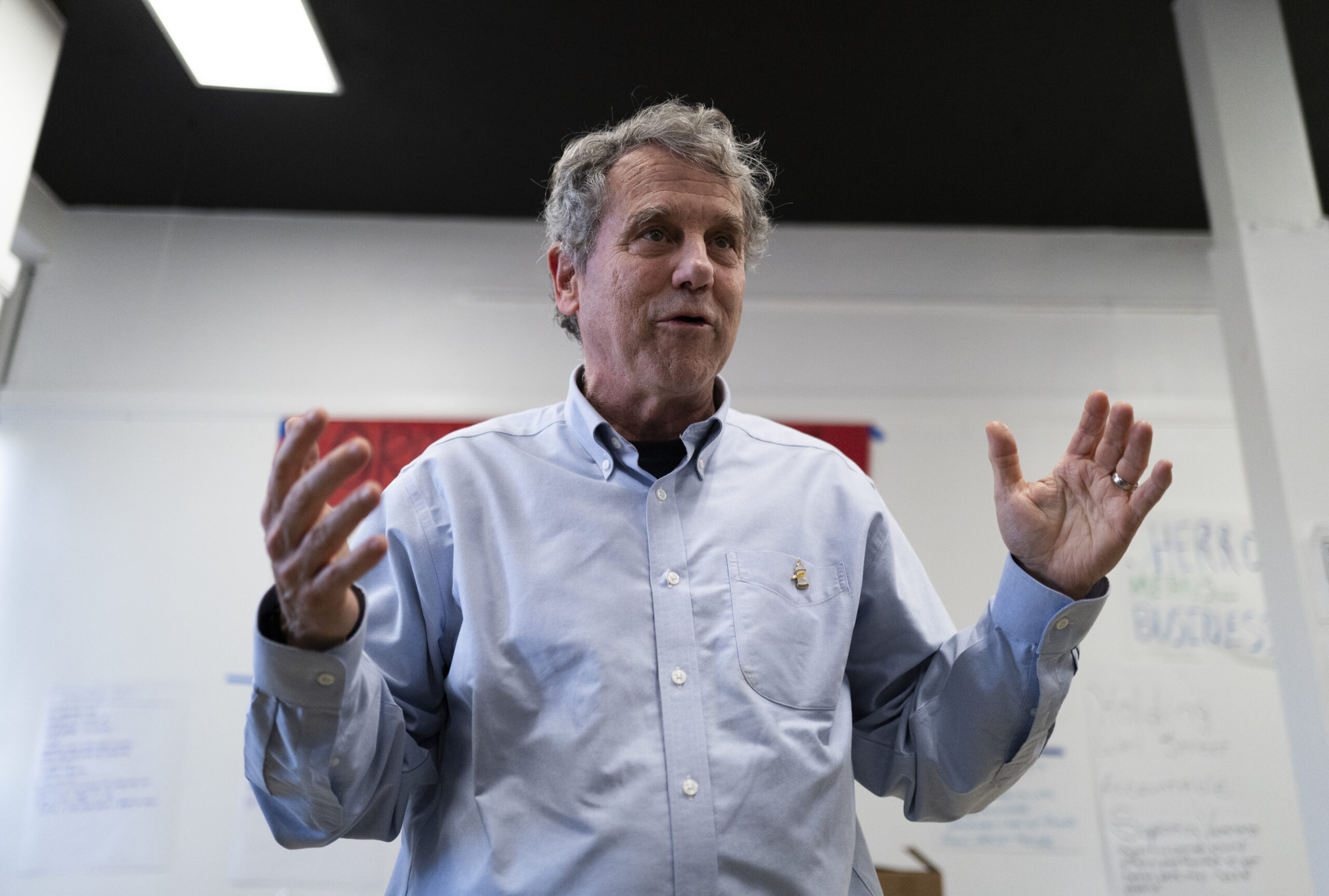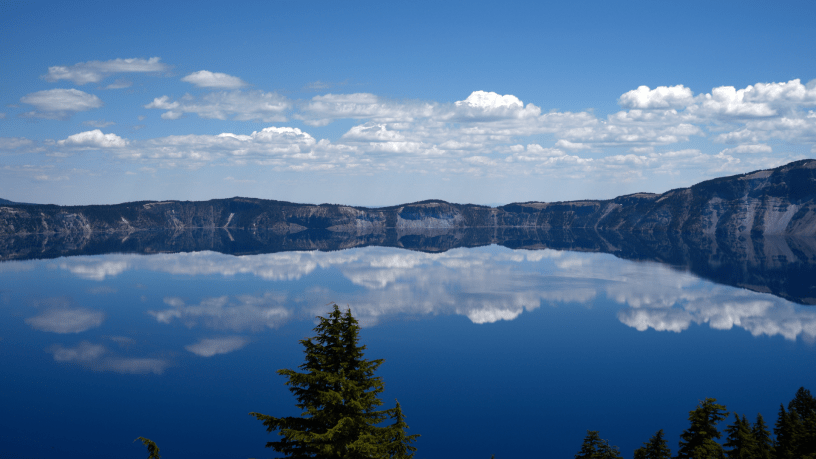
Senator Ron Wyden from Oregon has formally urged the Trump administration to reconsider its proposal to raise entrance fees at national parks. In a recent statement, Wyden characterized the fee hikes as “discriminatory,” emphasizing that they could limit access to natural treasures for many Americans.
The proposed increases, set to take effect in 2020, would significantly raise fees at some of the most visited national parks, including Yellowstone and Yosemite. For instance, the cost of a single-vehicle entrance to these parks would jump from $35 to $70. Wyden argues that such a steep rise could disproportionately affect low-income families and individuals, making it more challenging for them to enjoy the outdoors.
Accessibility and Economic Impact
The National Park Service has stated that the funds generated from the fee increases would be directed towards maintenance and improvement projects within the parks. However, Wyden and several other senators have expressed concerns that the fee hike could create barriers for many visitors, particularly those from marginalized backgrounds.
Wyden’s appeal is supported by a coalition of lawmakers who believe that preserving access to national parks is essential for public health and recreation. They argue that these areas provide valuable mental and physical health benefits, which are vital, especially during challenging times.
In his statement, Wyden noted, “Increasing fees at our national parks is not just a financial issue; it’s about ensuring that everyone has the opportunity to experience the beauty and serenity of these natural spaces.” The senator’s remarks underscore a growing sentiment among officials advocating for equitable access to public lands.
Public Response and Future Actions
The proposal has sparked a robust dialogue among outdoor enthusiasts, environmental advocates, and local communities. Many have taken to social media to voice their opposition to the fee hikes, claiming that such increases could deter families from visiting parks that hold cultural and historical significance.
As discussions continue, the Trump administration has yet to issue an official response to Wyden’s request. The National Park Service is expected to hold public meetings to gather feedback on the proposed fee changes, which will likely influence the final decision.
With national parks serving as essential recreational spaces for millions, the outcome of this proposal could have lasting implications on public access to these cherished locations. The debate highlights the ongoing tension between funding needs and equitable access, a complex issue that resonates with many across the country.