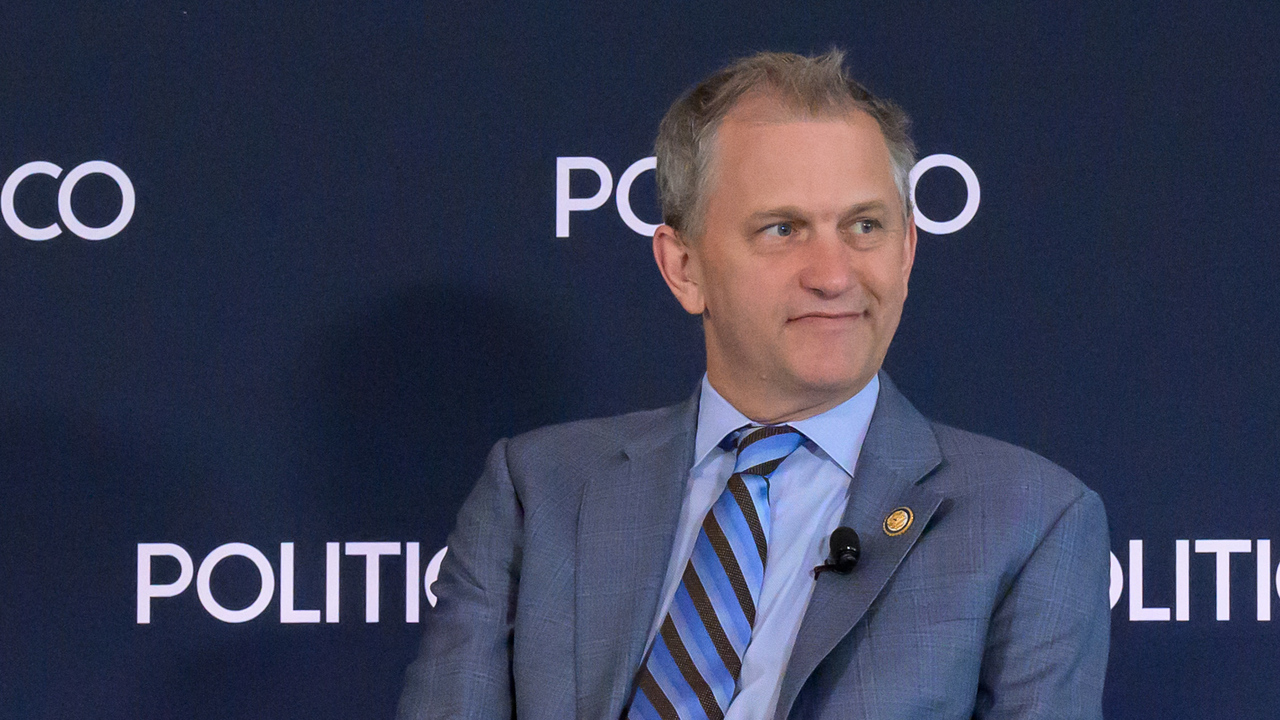
Steve Simon, the Minnesota Secretary of State, addressed concerns about election security and the importance of local officials during a visit to Detroit Lakes on March 7, 2024. Speaking to a full audience at M State, Simon emphasized the need for “high turnout and low drama” in upcoming elections, outlining the interconnected nature of Minnesota’s election system.
Simon reassured attendees about the integrity of the voting process, highlighting that his office does not directly count ballots. “We oversee the Minnesota election system,” he stated. “We don’t count votes. That’s not something we do at all. We don’t lay a finger on anyone’s ballot during an election.” Instead, he explained that the responsibility lies with local officials across townships, cities, and counties throughout Minnesota.
Local Officials and Their Essential Roles
Simon highlighted the critical role of local election officials in maintaining public confidence and security in the electoral process. Lake Eunice Township Clerk Heather Anderson shared her experience running elections from a historic schoolhouse that serves about 1,242 registered voters. She described the extensive preparation involved, beginning months in advance with notices and scheduling, leading to a long Election Day where she ensures everything runs smoothly.
At the city level, Detroit Lakes City Clerk Kari Tyson discussed the challenges of managing a larger operation. With over six years in her role, Tyson prepares for elections by confirming precinct boundaries and recruiting around 30 to 40 election judges every two years. On Election Day, her team posts signage and marks accessible routes, ensuring that voting is accessible for all residents.
At the county level, Tanya Hockett, Chief Deputy Auditor-Treasurer, described her office as the central hub connecting the various local components. Her office supports approximately 22,900 voters across 37 townships and seven cities. Hockett emphasized the importance of checks and balances, noting that her office verifies the number of ballots received from each precinct.
Addressing Federal Concerns and Election Integrity
Simon expressed concerns regarding potential federal interference in elections, citing a growing fear among election officials. He referenced recent actions, including a push by former President Donald Trump to nationalize certain election processes and an FBI raid on the Fulton County election office in Georgia related to the 2020 election.
According to Simon, the U.S. Constitution grants states primary responsibility for administering elections, with limited authority for federal intervention. He reassured the audience that Minnesota law includes protections to limit unnecessary federal presence at polling places. Only voters, election workers, building employees, and one representative per political party are permitted within 100 feet of a polling place entrance, and law enforcement may not be stationed there without a specific reason.
“I am an optimist about democracy in America and democracy in Minnesota,” Simon stated. “It may be a little bit dinged and dented… but never defeated, not even close.”
Looking ahead to the elections in November, Simon reiterated the collective goal of achieving high voter turnout while minimizing disruptions. “We all want the same thing. We want high turnout. We want low drama. We want what Minnesotans expect and deserve and almost always get, which is an election that is sort of an oasis of calm,” he concluded.