Early on the morning of March 15, 2024, Russia conducted a missile and drone strike on Kyiv, resulting in the death of one individual and injuring at least 27 others. The attack occurred shortly before anticipated talks between Ukrainian President Volodymyr Zelensky and U.S. President Donald Trump scheduled for March 16 in Florida.
As explosions rocked the capital, the assault lasted for several hours. Ukrainian officials reported that the strikes included ballistic missiles and drones targeting various sites across the city. President Zelensky, en route to Florida, indicated he would also stop in Canada to meet with Prime Minister Mark Carney.
Details of the Attack
The Russian Defense Ministry claimed responsibility for what it described as a “massive strike” using “long-range precision-guided weapons from land, air, and sea,” including Kinzhal hypersonic missiles. The ministry stated the attacks were aimed at energy infrastructure and military-industrial facilities in Ukraine, citing a response to Ukrainian strikes on civilian targets within Russia.
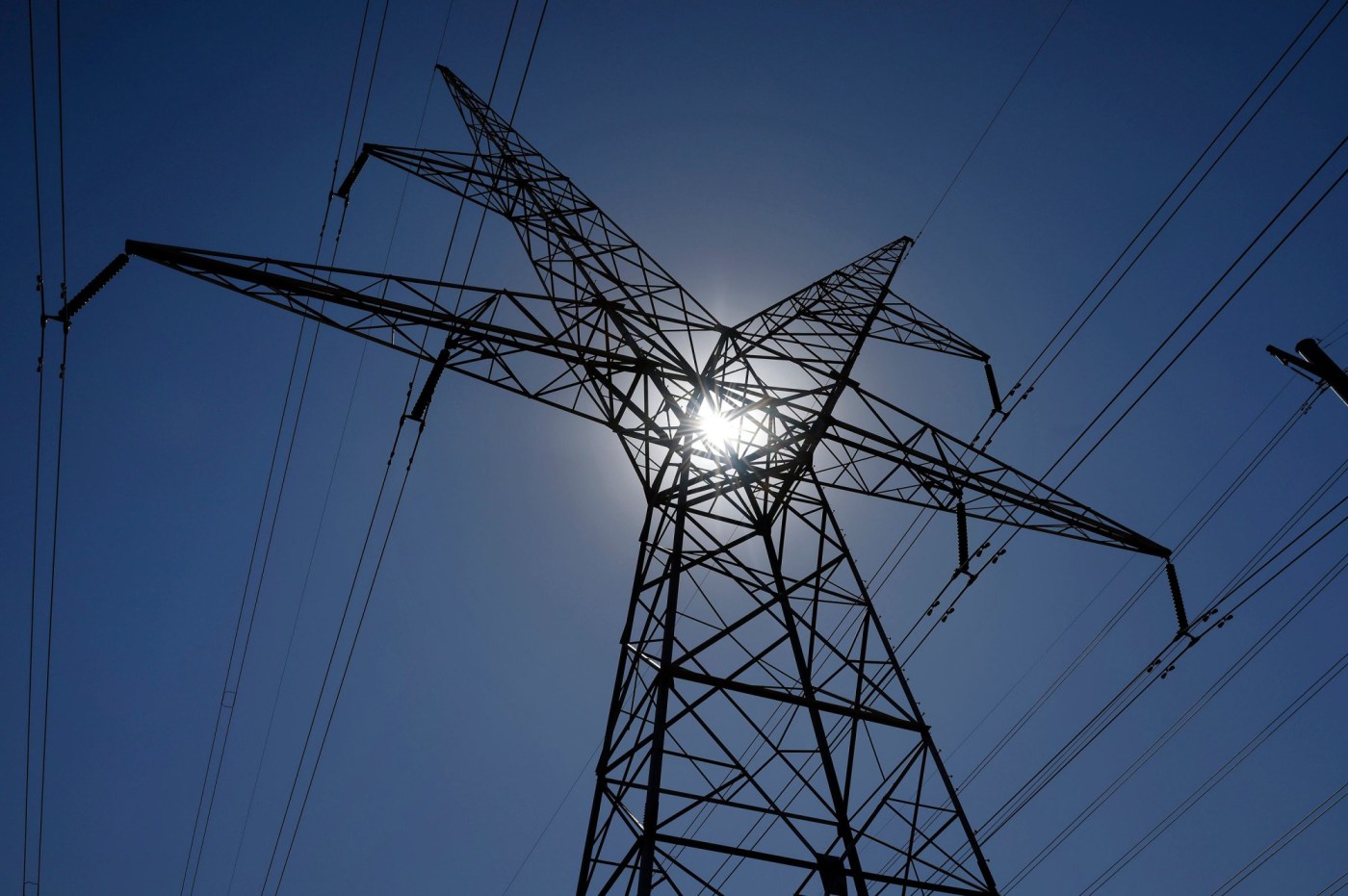
According to Ukraine’s air force, the assault involved 519 drones and 40 missiles, with a significant focus on energy and civilian infrastructure in Kyiv. The strikes resulted in power outages and heating disruptions in various districts. “Today Russia demonstrated how it responds to peace talks between Ukraine and the United States,” Zelensky remarked via audio note, emphasizing the timing of the attack.
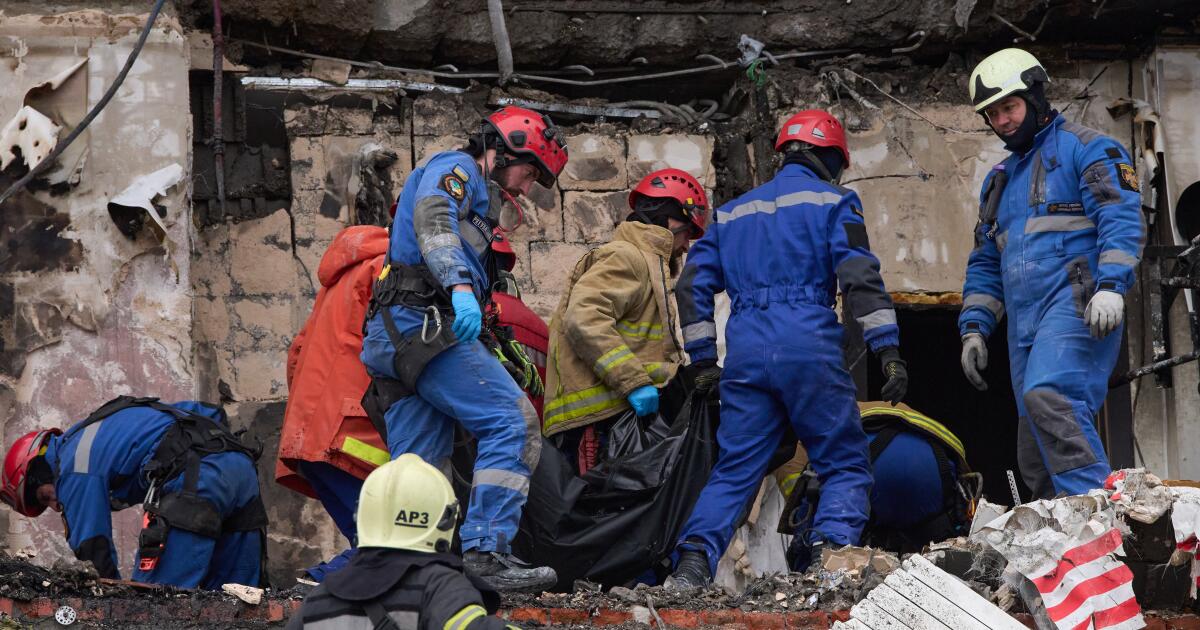
The aftermath left more than ten residential buildings damaged, with emergency services engaged in rescue operations for those trapped under rubble. Interior Minister Ihor Klymenko confirmed that a body was discovered under debris from one of the affected structures. Eyewitness accounts described harrowing scenes of destruction, with one resident recounting the chilling cries of a man trapped in a burning apartment.
Implications for Upcoming Talks
As Zelensky prepares for discussions with Trump, he expressed the need to address security guarantees and territorial matters, particularly concerning the Donetsk and Zaporizhzhia regions. The U.S. has signaled its commitment to providing security guarantees akin to those outlined in NATO’s Article 5, which stipulates collective defense in the event of an attack.
While Zelensky aims to minimize unresolved issues, he remains steadfast in Ukraine’s position of not recognizing any territory as Russian “under any circumstances.” He emphasized the critical importance of security guarantees alongside territorial negotiations.
In light of the aerial attacks, Poland temporarily scrambled fighter jets and closed airports in Lublin and Rzeszow, though it confirmed that there was no violation of its airspace. The Polish civil aviation authority announced that operations at the two airports had since resumed.
As the situation continues to evolve, Zelensky is also expected to brief European leaders on the discussions with Trump, highlighting the urgency and complexity of the ongoing conflict. The attack on Kyiv serves as a stark reminder of the challenges faced in achieving peace and security in the region.