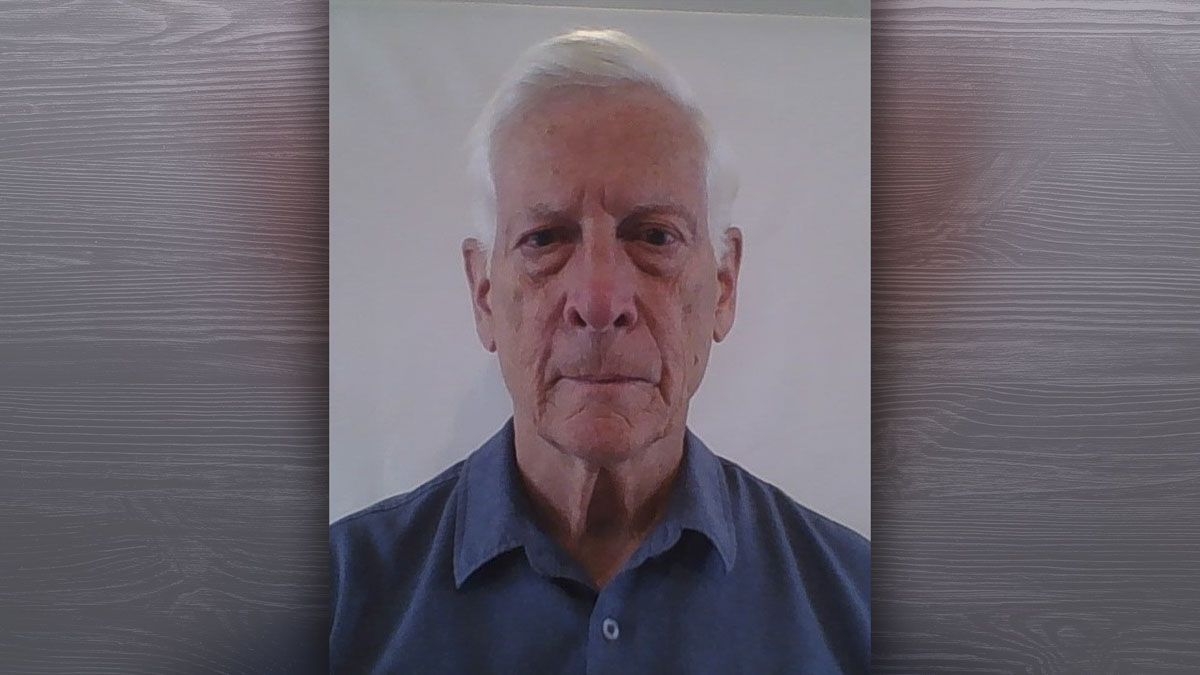
A retired firefighter has publicly challenged claims made by columnist Nancy Churchill regarding the Law Enforcement Officers and Fire Fighters (LEOFF) pension plan. In a letter addressed to the editor of Clark County Today, Brian D. Kendall refuted several inaccuracies related to LEOFF 1, asserting the need for factual information over misinformation.
Kendall emphasized that LEOFF 1 is not being “ended,” as Churchill stated. He clarified that the benefits of LEOFF 1 remain fully intact and that the referenced bill, HB 2034, does not eliminate the plan or reduce pensions for any member or surviving spouse. According to Kendall, retirees from LEOFF 1 continue to enjoy one of the most robust public safety pensions in the United States, which includes lifetime benefits for surviving spouses.
A major point of contention in Churchill’s column was her assertion that Democrats “skimmed four billion dollars” from the pension fund. Kendall disputed this, stating that the actual amount transferred was $2.5 billion. He noted that even after this transaction, the fund remains well-funded at approximately 110%, sufficient to cover all promised benefits for retirees and survivors.
Kendall expressed concern over the rhetoric employed by Churchill, which he characterized as alarmist. He took issue with her portrayal of LEOFF 1 members as incapable of advocating for themselves, particularly regarding the claim that they “cannot strike or march.” He pointed out that firefighters have historically not had the ability to strike, as such actions would compromise public safety.
The letter also addressed the broader implications of Churchill’s claims, which, according to Kendall, create a narrative of victimization among retirees. He described such framing as political theater that detracts from the reality that Washington’s firefighters have consistently relied on Democratic support. He stated, “LEOFF 1 retirees are not being robbed. Their pensions are secure.”
In his letter, Kendall urged for a more honest discourse around fiscal decisions and governance. He expressed concern over the divisive rhetoric being employed by some political leaders, stating that it undermines public confidence in democratic institutions. He highlighted the importance of supporting candidates who value stability and accountability.
Kendall concluded his letter by echoing Churchill’s call for voters to seek better candidates in upcoming elections. He emphasized that the search for effective leadership should transcend party lines, focusing instead on individuals who respect the rule of law and the democratic process.
The discussion surrounding LEOFF 1 reflects broader tensions within political discourse, particularly regarding financial management and the treatment of public service pensions. As Washington voters prepare for future elections, the focus remains on finding leaders committed to upholding democratic values and responsible governance.