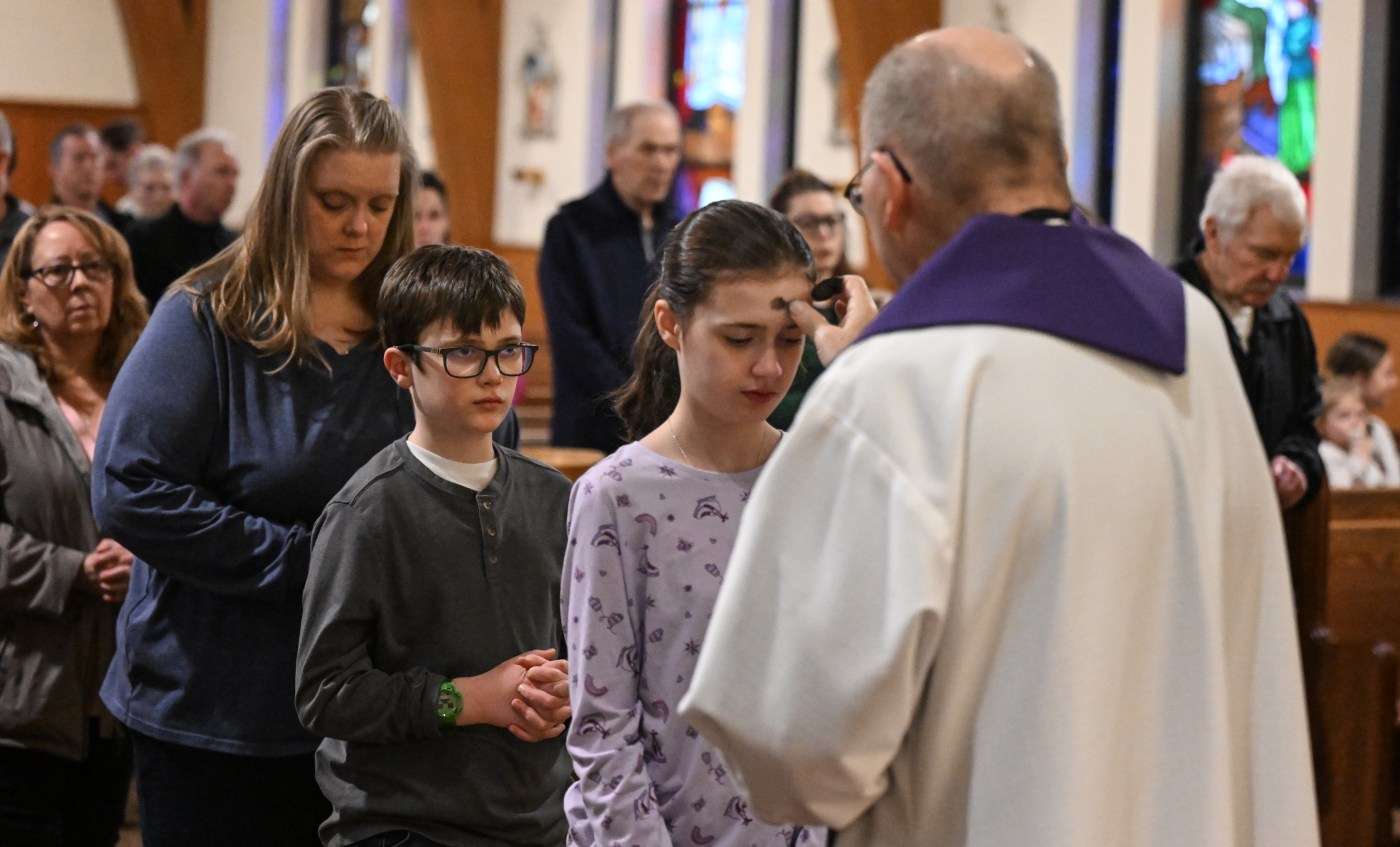
As communities prepare for the season of Lent, individuals are reflecting on its significance and the broader implications of civic engagement. Lent, beginning on February 18 this year, is traditionally marked by Ash Wednesday, a day when participants receive ashes as a symbol of repentance and mortality. This observance encourages a period of introspection, prayer, and fasting, mirroring the 40 days of sacrifice undertaken by Jesus in the desert.
Many find this time valuable for spiritual renewal. The ashes, received on foreheads during the liturgical service, serve as a reminder of humanity’s fragile existence. Participants are called to engage in self-reflection, focusing on faith and trust in God’s enduring love during this penitential season.
Issues surrounding democracy and civic participation were also highlighted by local residents. In a recent letter, one writer noted that approximately 90 million eligible voters did not cast ballots in the 2024 presidential election, despite 77 million votes for Donald Trump and 75 million for Kamala Harris. The letter emphasized the need for greater participation, indicating that when citizens feel unheard, they are less likely to engage in the electoral process.
The writer called for educational reforms to enhance critical thinking skills, enabling voters to better research candidates and issues. This is crucial for building trust in the democratic process and ensuring that every voice counts. The letter underscored that a vibrant democracy thrives when all eligible citizens are encouraged to participate in decision-making.
In another letter, a resident reflected on the divisive climate in the United States, lamenting the violence among citizens. They questioned the commitment of politicians to address these issues, suggesting a disconnect between elected officials and the public they serve. This sentiment resonates with many who believe that political leaders must take responsibility for fostering unity rather than division.
Concerns over governmental practices were also raised regarding the actions of the Immigration and Customs Enforcement (ICE) in Minnesota. One writer expressed anger over perceived lawlessness among agents, stating that Americans should not fear leaving their homes without documentation. They called for citizens to voice their concerns to elected representatives, emphasizing the importance of upholding the rights guaranteed by the Bill of Rights.
In a separate discussion, the local Lehigh County Authority was urged to expedite the replacement of lead service lines. Residents pointed out that the current recommendation to run water for three to five minutes before use results in significant water waste. They argued that replacing these lines, especially in homes with children, would not only improve public health but also conserve valuable water resources.
Amidst these local discussions, the portrayal of individuals such as Renee Good was debated. One letter criticized labeling her a domestic terrorist, drawing parallels to interpretations of the events of January 6, 2021. This highlights the contentious nature of political discourse in the community, with differing opinions on accountability and narrative framing.
The range of opinions shared reflects a community grappling with complex issues, from spiritual observances to urgent calls for civic responsibility and governmental accountability. Each voice contributes to a broader conversation about the values that define democracy and the actions required to uphold them. As residents engage in these discussions, they highlight the pivotal role of individual participation in shaping their collective future.
The Morning Call continues to invite readers to express their views through letters, fostering an essential dialogue on the pressing matters affecting the community.