Republicans may encounter significant challenges in the upcoming elections if they do not effectively address economic concerns and the low approval ratings of former President Donald Trump. As inflation continues to impact everyday Americans, voters are increasingly seeking a counterbalance to perceived unchecked power, which could mirror the setbacks experienced during the 2018 midterms.
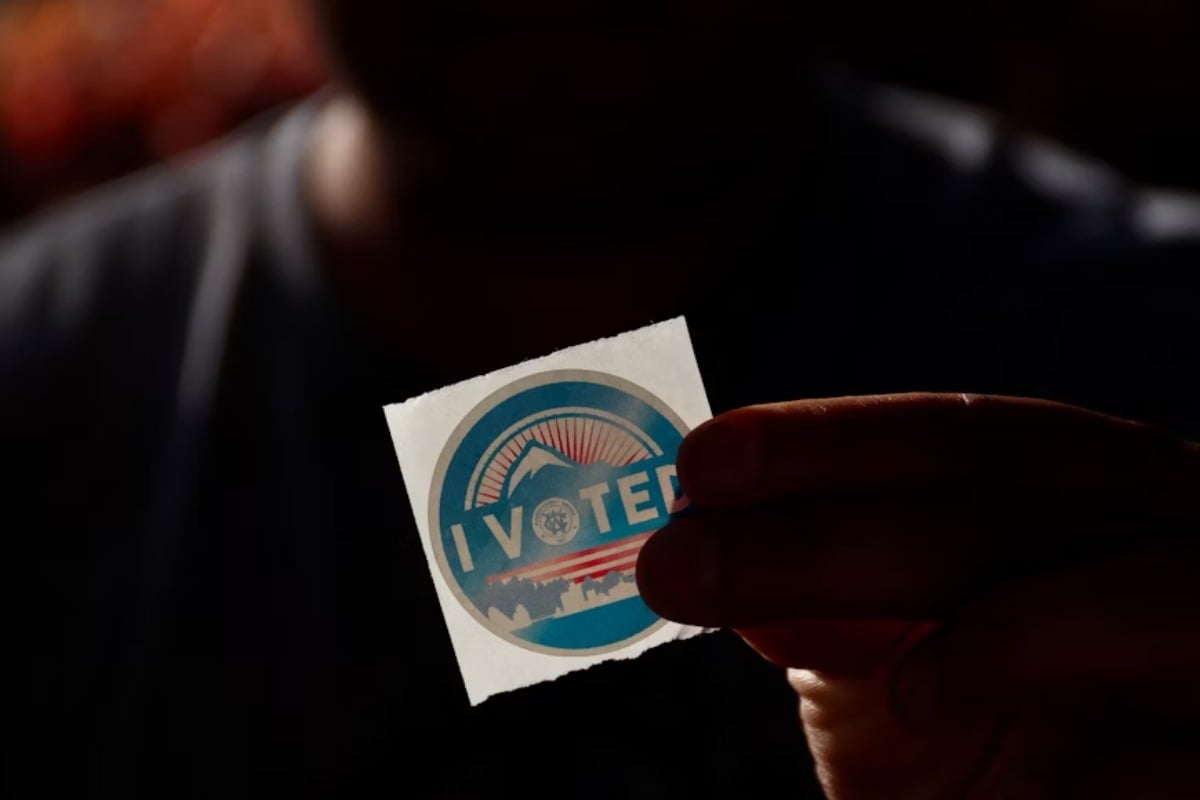
The political landscape is shifting as the 2026 elections approach. Recent polling indicates that a substantial portion of the electorate is dissatisfied with the current economic situation. Many voters report feeling the effects of rising costs, which has led to a heightened demand for accountability from their elected officials. According to a recent survey conducted by the Pew Research Center, more than 70% of voters believe that the economy is the primary issue facing the nation.
Economic Concerns Drive Voter Sentiment
Inflation has reached levels not seen in decades, prompting widespread concern among constituents. The ongoing increase in prices for essential goods and services is eroding household budgets, leaving voters anxious for solutions. Analysts suggest that if the Republican Party does not develop a clear and effective economic strategy, they risk losing support among key demographics, particularly suburban voters who were pivotal in past elections.
The political ramifications of these economic issues could be profound. Historical trends indicate that parties in power often face challenges during midterm elections when economic conditions are poor. The 2018 midterms serve as a cautionary tale for Republicans; the Democrats secured significant victories largely driven by voter dissatisfaction with the economy and Trump’s policies.
Trump’s Influence and Approval Ratings
Compounding the Republicans’ challenges is Trump’s persistent influence within the party. His approval ratings have remained low, hovering around 40% according to recent data from Gallup. This dissatisfaction could drive potential Republican candidates to distance themselves from his administration’s policies in an attempt to appeal to a broader electorate.
As the party strategizes for the 2026 elections, it faces a crucial decision: to double down on Trump’s agenda or shift towards more centrist positions that address economic concerns. The latter may require a delicate balancing act, as core supporters remain loyal to Trump’s messaging.
With voters signaling a desire for change, Republicans must weigh the implications of their policies carefully. As economic pressures mount and approval ratings linger low, the party’s approach in the coming months will be pivotal. Without significant action to alleviate voter concerns, Republicans may find themselves navigating another challenging election cycle reminiscent of 2018.
As the political landscape evolves, it remains essential for the Republican Party to engage with constituents effectively. Addressing economic issues and reassessing its alignment with Trump’s policies could prove vital in shaping the outcome of the upcoming elections.