Russian Foreign Minister Sergei Lavrov announced that President Vladimir Putin conveyed a willingness to provide security guarantees for Ukraine as part of a potential peace settlement. This development occurred during a meeting with two envoys of former US President Donald Trump in Moscow. Lavrov highlighted that any guarantees must also encompass the security concerns of Russia.
During the meeting, Lavrov emphasized the need for a legally binding treaty to formalize these security guarantees. He referenced previous proposals made by Moscow to NATO in 2021, suggesting that these could serve as a framework for negotiations. Lavrov further indicated that Russia has sent additional proposals to the United States, stressing that security guarantees should not be limited to Ukraine alone.
The concept of deploying peacekeeping troops to Ukraine has been floated among some NATO allies, often referred to as the “Coalition of the Willing.” However, Lavrov dismissed this idea, warning that such troops would be viewed as “legitimate targets for the Russian armed forces,” a statement that underscores the potential for escalation in the ongoing conflict.
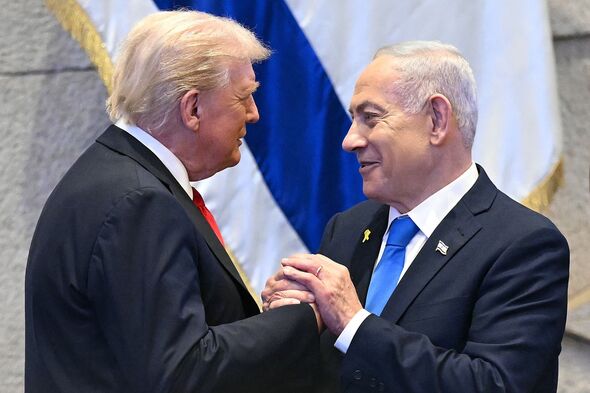
While discussions unfolded in Moscow, former President Trump provided his perspective on the situation. He advised Ukrainian President Volodymyr Zelensky to adopt a “realistic” approach regarding the war with Russia, casting doubt on the timing of Ukraine’s upcoming elections. Trump noted that he had engaged in “pretty strong terms” about Ukraine with leaders from the United Kingdom, France, and Germany, highlighting some “little disputes” among them.
European leaders have expressed a keen interest in Trump’s potential visit to Europe for peace talks; however, he remains cautious and seeks further information before committing to any meetings. This dynamic illustrates the ongoing efforts among European allies to synchronize their strategies in response to the evolving situation between the United States and Russia.
In light of these discussions, Ukraine is revising its own proposals for a peace settlement, following extensive consultations with European allies. There are concerns that Trump could pressure Ukraine into accepting terms that may favor Russia, potentially undermining the sovereignty of Ukraine following its illegal invasion.
President Zelensky, currently facing domestic political challenges amid a corruption scandal involving senior officials, indicated his willingness to hold elections, contingent on adequate security assurances from the US and Western partners. He remains resolute in his refusal to make any territorial concessions to Russia, stating that he lacks both the legal and moral authority to concede land.
The complexity of the situation illustrates the intricate interplay of international diplomacy, security concerns, and domestic political dynamics that are pivotal in shaping the trajectory of the Russia-Ukraine conflict. The exchange of proposals from both sides reveals the substantial difficulties in reaching a consensus, with the stakes being particularly high given the involvement of influential figures like Trump.
As negotiations progress, the divergent views on security guarantees and troop deployments highlight the risks and challenges inherent in these discussions. The upcoming elections and Zelensky’s domestic political hurdles add further complications to the prospect of a peaceful resolution. Achieving a settlement will require careful navigation through these multifaceted interests, underscoring the critical role of diplomacy and negotiation in establishing lasting peace in the region.