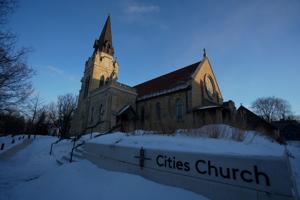
A civil rights attorney and two others were arrested in connection with a protest against anti-immigration enforcement that disrupted a church service in Minnesota. The arrests occurred on Thursday, coinciding with Vice President JD Vance‘s visit to the state. The protest, held at a Minneapolis church, aimed to draw attention to immigration policies and their impact on local communities.
The situation intensified as officials from the Trump Administration confirmed the arrests. The civil rights attorney, whose name has not been disclosed, played a significant role in organizing the protest. According to reports, the demonstration led to a confrontation that escalated tensions within the church, ultimately resulting in the intervention of law enforcement.
In a separate legal development, a judge declined to impose charges against journalist Don Lemon, who was also present during the protest. Lemon, a well-known figure in media, had been under scrutiny due to his involvement in the events that unfolded. The judge’s decision came as a relief to many supporters who viewed the protests as a legitimate expression of free speech.
The protest in Minnesota reflects broader national tensions surrounding immigration enforcement. Activists argue that current policies disproportionately affect vulnerable communities, while officials contend that such measures are necessary for security. As the debate continues, the involvement of high-profile figures like Vance and Lemon adds further complexity to the discourse.
While the church service was disrupted, many attendees expressed support for the protesters’ message. The incident highlights the growing divide in public opinion regarding immigration issues, particularly in states like Minnesota, which has seen significant immigration in recent years.
The actions of law enforcement in response to the protest have raised questions about the balance between maintaining order and allowing free expression. Observers note that the outcomes of these protests, both in terms of legal repercussions and public sentiment, will likely influence future demonstrations.
As the legal landscape evolves, with the judge’s ruling on Lemon and the arrests of activists, the situation in Minnesota serves as a microcosm of national conversations about immigration, community rights, and the role of public protest in democratic societies.