A growing concern over the state of health care in the United States has emerged as politicians engage in heated debates regarding affordability. With the expiration of COVID-era subsidies approaching on January 1, millions of Americans are facing significant premium increases. The discord among legislators, especially within the Republican Party, revolves around how to address the Affordable Care Act, with options ranging from repeal to modifications. As families await resolution, the discourse raises important questions about the fundamental right to medical care.
Advocates for health care reform are calling for immediate action. Bukekile Dube, a concerned citizen from Dallas, expressed frustration over the political maneuvering that places citizens as bargaining chips in a partisan game. “Where is our humanity when access to medical care becomes a partisan bargaining chip rather than a fundamental right?” Dube questioned, highlighting the moral implications of the ongoing stalemate in Washington. Other developed nations have successfully implemented universal coverage systems, prioritizing citizens’ needs over political divisions. Dube urges constituents to reach out to their representatives, emphasizing that health care should be viewed as essential for survival, not a privilege.
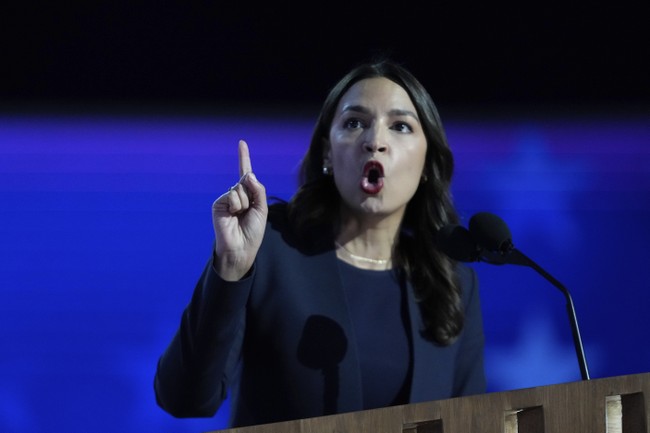
The discontent extends beyond health care, as younger generations express dissatisfaction with economic conditions. Philip S. Wiseman, a millennial from Carrollton, pointed out that many in his generation feel disillusioned by the traditional American Dream. Rising rents and stagnant wages contribute to a growing support for self-identified socialists like Alexandria Ocasio-Cortez and Bernie Sanders. Wiseman argues that the current economic system is failing younger Americans, stating, “If you want us to support it again, then fix it so it begins to work for us, too.”
In addition to economic frustrations, local issues are also drawing attention. Laura Manno from Garland observed families struggling to access public recreational spaces. After witnessing families climbing over a locked fence to reach a soccer field, Manno criticized the city’s decision to restrict access in favor of elite sports groups. “It makes no sense that they lock people out because they might leave a mess,” she lamented, underscoring the disconnect between community needs and municipal policies.
Meanwhile, reflections on the nation’s history of civil rights continue to resonate. Cynthia R. Gudgel shared her experience visiting Selma, Alabama, reflecting on the historical significance of the Edmund Pettus Bridge. Gudgel expressed a desire to have joined the original marchers, highlighting the importance of acknowledging past struggles for equality as part of the ongoing dialogue about social justice today.
Finally, the Boy Scouts of America are adapting to the changing demographics of the nation. Mario Koym-Garza, a Dallas resident and former scout, shared fond memories from the 2005 National Jamboree and the valuable lessons learned from diverse peers. He emphasized that Scouting continues to evolve, teaching current youth the importance of service and leadership in an increasingly diverse society. “Scouting teaches service and creates servant leaders,” Koym-Garza remarked, reinforcing the organization’s role in fostering inclusivity and community engagement.
As these letters to the editor highlight, the intertwining issues of health care, economic disparity, and community access are at the forefront of public discussion. Citizens are calling for substantive changes that prioritize human needs over political agendas, reflecting a collective desire for a more equitable society.