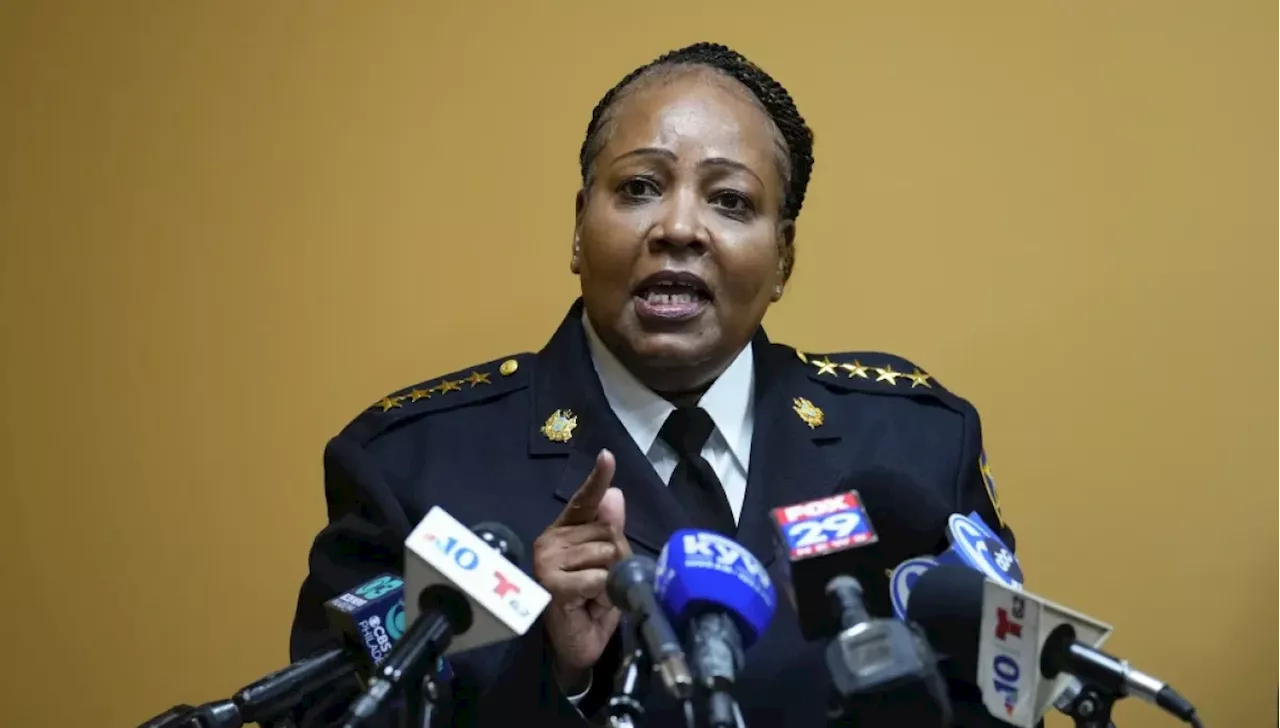
Philadelphia Sheriff Rochelle Bilal has drawn significant criticism after using a racial slur to describe Rep. Wesley Hunt (R-TX) during a press conference. Her remarks were made in the context of ongoing debates surrounding the Trump administration’s immigration policies, particularly those enforced by Immigration and Customs Enforcement (ICE).
Bilal’s comments, which included the derogatory term “handkerchief head negro,” were reportedly in response to Hunt’s call for respect towards law enforcement following the controversial death of Renee Good. Good was shot and killed while allegedly resisting arrest by ICE agents in Minneapolis, an incident that has sparked widespread protests and discussions about immigration enforcement practices.
Contentious Remarks Ignite Controversy
Bilal’s statements have not only drawn ire for their racially charged language but also for their apparent irrelevance to the situation at hand. Critics argue that her focus on her political agenda distracts from the actual issues surrounding law enforcement and immigration policy. Political strategist Sonny Mazzone described Bilal’s tenure as particularly problematic, citing a history of controversies and alleged incompetence within her office.
“Under her leadership, the Sheriff’s Office lost nearly 200 firearms and mismanaged public funds,” Mazzone noted. “The rhetoric she employs regarding ICE and law enforcement is not just irresponsible; it also places both officers and civilians at risk.”
Bilal’s comments, which included disparaging remarks about former President Donald Trump, have been characterized as an attempt to garner attention rather than addressing the pressing issues related to public safety and immigration enforcement. Mazzone further emphasized that her endorsement of Good’s actions, which led to the latter’s death, reflects a disregard for the law and the safety of others.
Reactions from Law Enforcement Officials
In light of Bilal’s statements, the Philadelphia Police Department has sought to clarify its role in law enforcement amid the confusion generated by her comments. Police Commissioner Danny Bethel issued a statement asserting that policing in Philadelphia is conducted by the Philadelphia Police Department, not the Sheriff’s Office.
“Philadelphia Police Department offices have been inundated with calls and emails from across the country and around the world, necessitating a clarification about law enforcement authority in the City of Philadelphia,” Bethel stated. He emphasized that the department would continue to work collaboratively with all law enforcement partners, countering Bilal’s portrayal of the situation.
The fallout from Bilal’s remarks underscores a broader conversation about the political climate in Philadelphia, particularly regarding the conduct of public officials. As the city grapples with issues of law enforcement and immigration, the implications of Bilal’s rhetoric may have lasting effects on community relations and public trust in local authorities.
Bilal’s tenure as sheriff has been marked by allegations of mismanagement and ethical concerns, raising questions about her ability to effectively govern. As Philadelphia continues to navigate these contentious debates, the scrutiny of its public figures will undoubtedly intensify. The implications of Bilal’s comments may serve as a catalyst for further discussions about accountability and responsibility among elected officials.