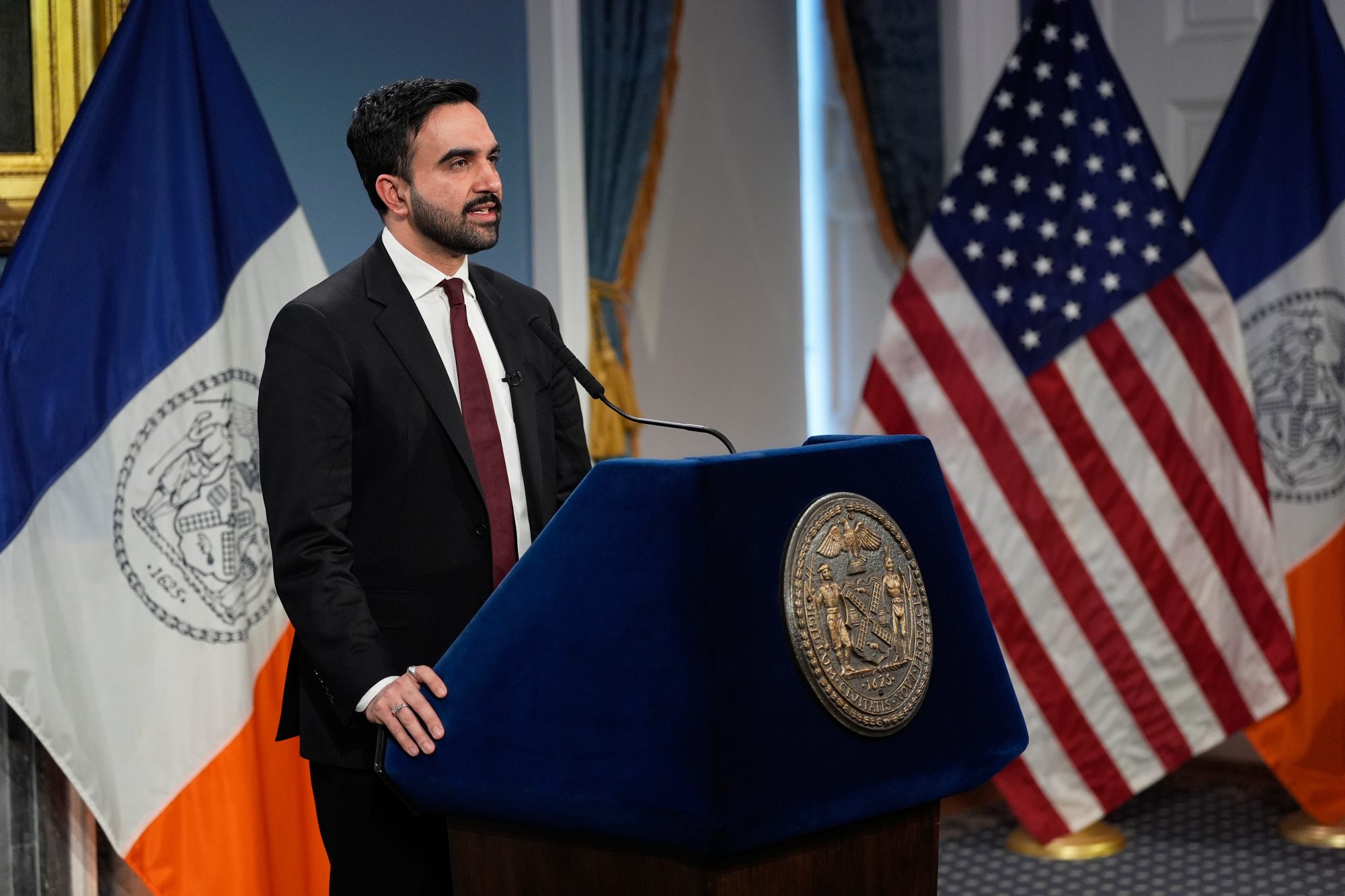
Mayor Zohran Mamdani has ignited controversy following his visit to the family of Jabez Chakraborty, who was shot by a police officer in Queens while allegedly attacking with a 13-inch carving knife. After assessing the situation, Mamdani asserted that Chakraborty should not face arrest or prosecution, advocating instead for mental-health treatment and the removal of his handcuffs. This opinion starkly contrasts with the decision made by Queens District Attorney Melinda Katz, who presented the case to a grand jury and secured an indictment for first-degree attempted assault and possession of a weapon.
Reactions to the Mayor’s Statements
Mamdani’s remarks have drawn criticism for demonstrating a perceived ignorance of the realities of the criminal justice system. The mayor does not hold the authority to determine charges; that responsibility lies with the district attorney. Furthermore, the investigation into Chakraborty’s actions is reserved for law enforcement and legal professionals, not the mayor.
Despite the indictment, Mamdani reiterated his belief that Chakraborty should not be charged. Critics argue that this stance undermines the legal process, particularly given Chakraborty’s apparent mental health challenges, including paranoid schizophrenia. Following the indictment, Chakraborty’s case is set to be reviewed in the Queens County Mental Health Court, where legal and clinical professionals will assess the most appropriate course of action.
The incident has raised questions about the mayor’s engagement with the police officers involved in the shooting. Critics wonder whether Mamdani has considered the emotional and psychological toll on the officers who intervened during the incident, as they are tasked with ensuring public safety.
Statistics and Context on Police Interactions
Data from the New York Police Department (NYPD) reveals significant context regarding police responses to emotionally disturbed persons (EDPs). In 2024, the NYPD responded to 6.9 million 911 calls, with 162,961 of those calls involving EDPs. Remarkably, only 355 of these interactions (0.2%) necessitated the use of force, predominantly through tasers. Only two incidents resulted in officers discharging their firearms, highlighting the rarity of such occurrences.
As discussions surrounding mental health and public safety evolve, Mamdani’s approach has been scrutinized for potentially misrepresenting the complexities involved in handling violent situations. Critics argue that while advocating for mental health support is essential, it must be balanced with the realities faced by law enforcement officers in the field.
Reflecting on past policies, the 2019 bail reform has also come under fire for its unintended consequences. Advocates of the reform claimed a significant proportion of incarcerated individuals had mental health issues and should not be in jail. The subsequent release of numerous individuals led to a notable increase in crime rates, raising alarms about public safety.
As the debate continues, it is essential for leaders like Mayor Mamdani to consider the broader implications of their statements and policies. Acknowledging the challenges faced by both law enforcement and individuals with mental health issues could pave the way for more effective solutions. Ultimately, the focus should be on ensuring public safety while providing adequate support for those in need.
In conclusion, the incident involving Jabez Chakraborty serves as a poignant reminder of the complexities of mental health, public safety, and the criminal justice system. The conversation surrounding these issues is critical, and it remains to be seen how leaders will navigate the challenges ahead.