The political landscape within the MAGA movement is shifting as internal divisions become increasingly apparent. Prominent figures such as Ben Shapiro, Tucker Carlson, and Steve Bannon are embroiled in contentious debates, raising questions about the future of the movement that once seemed unified under Donald Trump. As these leaders grapple with issues ranging from controversial party inclusivity to conspiracy theories surrounding events like the assassination of Charlie Kirk, the cracks in the foundation of MAGA may signal a larger decline in Trump’s grip on his base.
Supporters of Trump are increasingly expressing dissatisfaction, feeling that the promises made to them have not materialized. Many voters believed they would benefit from the so-called “Big Grift” alongside Trump and his wealthy allies. Instead, they face rising costs and stagnant wages, leading some to reassess their loyalty to the former president. The sentiment among many in the MAGA base is one of betrayal, particularly as they witness the widening gap between the wealthiest Americans and their own financial struggles.
The roots of this discontent can be traced back to a broader loss of faith in government among millions of Americans. Over the years, economic policies have often favored corporations over workers, leading to job losses and community decay, particularly in the Midwest. Trump capitalized on this disillusionment during the 2016 campaign, portraying himself as a solution to the problems faced by ordinary Americans. While some voters supported Trump due to specific ideological beliefs, such as immigration or social issues, many were motivated primarily by a desire for economic improvement.
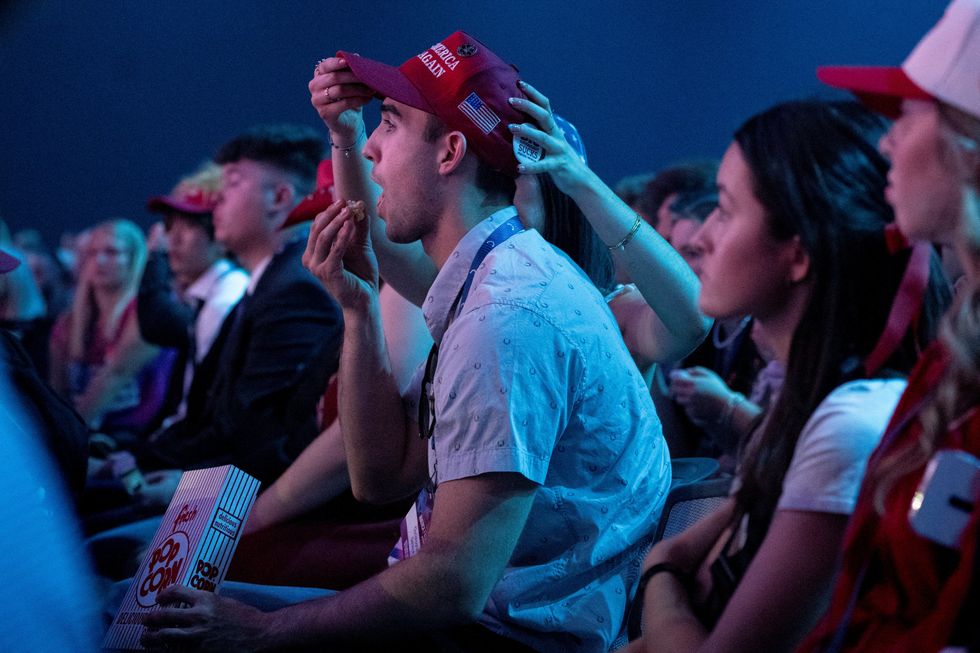
As economic pressures mount, the disconnect between Trump’s rhetoric and the lived realities of his supporters is becoming stark. While Trump has focused on dismantling social programs and attacking minority groups, the fundamental issues affecting many households—such as high rents and unemployment—remain unresolved. The policies announced by MAGA leaders, like JD Vance’s recent declaration at a conference that the movement should “not apologize for being white,” highlight a troubling pivot that may not resonate with voters facing economic hardship.
Despite recent economic reports indicating growth and resilience in certain sectors, the reality for average Americans is often much different. The disparity described by Paul Krugman as a “K-shaped” economy underscores that while the wealthy continue to prosper, many others struggle to make ends meet. The pandemic exacerbated these issues, and while Joe Biden has attempted to address some of these challenges, rising inflation and a global supply chain crisis have left many feeling worse off.
The political ramifications of this internal strife are already being felt as some MAGA-affiliated politicians, including Marjorie Taylor Greene and Elise Stefanik, are stepping back from their roles. This exodus suggests a broader disillusionment that could reshape the movement as it heads toward future elections. Democrats have seized on this discontent, advocating for policies aimed at improving affordability and reducing inequality, which have resonated with voters disenchanted by the current state of affairs.
As the MAGA movement grapples with these challenges, it remains to be seen how Trump will navigate this turbulent landscape. His ability to maintain support among his base may hinge on addressing the very grievances that have led to this fracturing. The coming months will likely be critical for both Trump and the future of MAGA as they confront the realities of an evolving political climate.