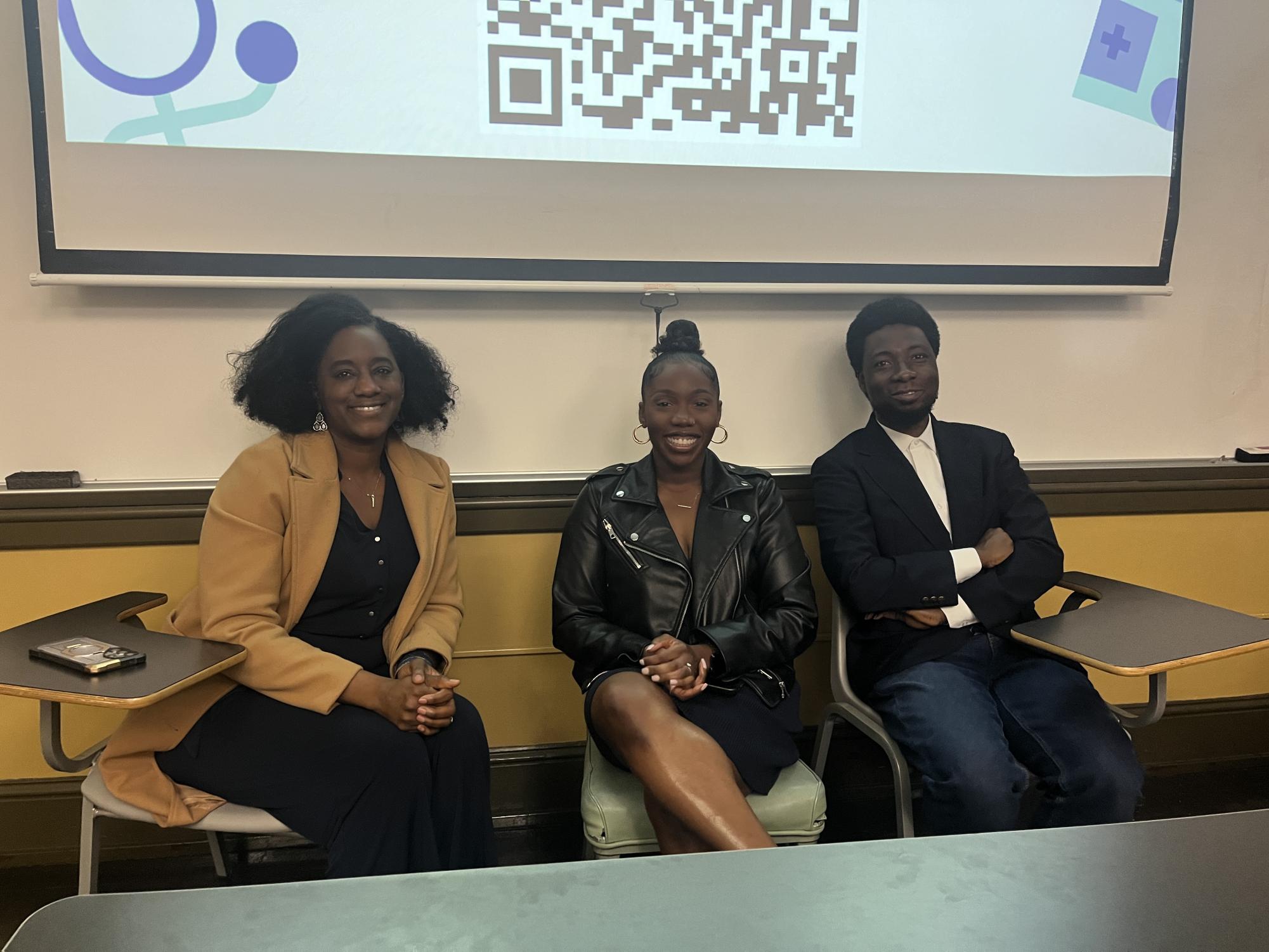
The LSU chapter of the National Council of Negro Women (NCNW) hosted a panel on March 12, 2024, focusing on the pressing issue of medical discrimination faced by Black women. Collaborating with organizations like Black Girls Vote and Black Men in Medicine, the event aimed to shed light on the disparities in healthcare treatment experienced by this demographic.
During the panel, attendees heard from three distinguished speakers, including Latoya T. Paul, a professor of biology at LSU. Paul shared her personal experiences with discriminatory medical treatment throughout her five pregnancies. She recounted a particularly alarming incident when she sought emergency care for high blood pressure. Despite her urgent concerns, she waited five hours before a doctor informed her that her tests were normal. Paul expressed frustration over the assumption that she was merely seeking drugs, stating, “It dawned on me that they didn’t care anything about me because they thought I was someone there looking for drugs.”
Paul’s experiences highlight a larger issue of systemic bias in healthcare. Ten years earlier, while pregnant, she exhibited symptoms of an iron deficiency but was dismissed by medical professionals who claimed her iron levels were acceptable. A subsequent visit to a different hospital proved otherwise, revealing dangerously low iron levels. Paul emphasized the need for vigilance regarding medical advice, noting that “you will be mistreated because of the color of your skin.”
Panelist Ifeyinwa F. Davis, an instructor of Women’s, Gender, and Sexuality Studies at LSU, discussed how the American medical system’s treatment of Black women contradicts the family values it professes to uphold. “Motherhood is supposed to be so beautiful, and women are supposed to enjoy their pregnancy,” Davis remarked, adding that societal ideals often do not extend to Black mothers who frequently face disrespect in healthcare settings.
Another speaker, Ibrahim Nurem, an instructor in the English department at LSU, highlighted the financial exploitation of Black patients within the medical system. “In most cases where they see Black people, they see that as an opportunity to make money,” he stated, underscoring the need for increased awareness of these practices.
The panel also aimed to empower Black students by raising awareness about the discrimination in healthcare. Jiselle Piper, the membership coordinator of the NCNW and one of the event organizers, stressed the importance of education and advocacy. “We want to be able in the future to create initiatives to ensure that not only Black women but Black people overall are receiving that support and the necessary and proper care that they deserve,” Piper said.
This panel serves as a vital step towards addressing the significant health disparities faced by Black women. By fostering open discussions and increasing awareness, the LSU NCNW chapter and its partners aim to advocate for equitable healthcare practices and support for marginalized communities.