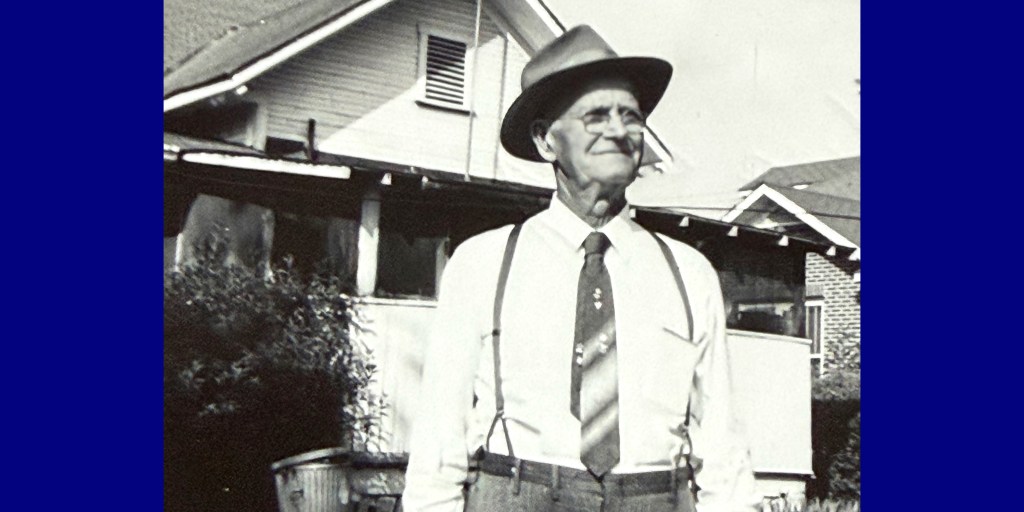
Advocacy for the construction of Carters Dam began decades before its actual development, with significant contributions from local figures like S.O. Penland Senior. Born in the 1880s in Ellijay, Georgia, Penland, who served in the Georgia House of Representatives during the 1920s, championed the project through persistent correspondence with key legislators. His efforts, documented in a collection of letters dating back to at least 1947, reveal a dedicated push for flood control and the creation of a reservoir.
Penland’s connections included Erwin Mitchell, a Dalton attorney and former U.S. Congressman who played a role in advancing the project. His grandson, Sam Penland, revisited the letters after recent publications about Carters Dam, highlighting the historical significance of his grandfather’s advocacy. The letters illustrate the collaborative efforts during a time when relationships between legislators were more personal and amiable.
The area surrounding Carters Dam, rich in history and natural beauty, now attracts thousands of visitors each year. Recreational activities such as boating, fishing, and hiking flourish at Carters Lake, where a visitors center provides information on the dam’s history and its environmental impact.
Penland recalls that his grandfather maintained relationships with influential figures such as U.S. Senator Richard Russell and Senator and Governor Herman Talmadge. “He knew them personally and often delivered apples to them in Atlanta,” Sam Penland said. The letters indicate that Penland had the foresight to advocate not just for the dam but also for infrastructure improvements, including the paving of Tails Creek Road (now Highway 282).
In one of the letters, Penland mentioned concerns about flooding from the Coosawattee River, which affected communities downstream. “Dick Russell came to Ellijay a lot back then,” Sam noted, indicating that both Russell and Talmadge were supportive of the dam initiative.
Penland also pushed for better road access to facilitate transportation and development. “Tails Creek Road ended at the Murray County line, and we had to navigate rough paths to reach Dalton,” he explained. His advocacy for infrastructure laid the groundwork for future development in the region.
The U.S. Army Corps of Engineers ultimately recognized the strategic location for the dam. “They couldn’t have picked a better spot for the dam where the two mountains end with the gap between them,” Sam Penland stated, emphasizing his grandfather’s vision.
Despite the political hurdles involved in the project, Penland remained undeterred. “A lot of people knew how long Granddaddy advocated for the dam, and some even suggested naming it after him,” Sam recalled. However, S.O. Penland believed the dam should reflect the area’s heritage rather than personal recognition. “There was a lot of politics involved in getting the dam built,” he said, noting that it impacted his father’s views on politics.
The Penland family has a long history associated with their local store, established in 1914. Sam Penland describes how the store evolved into Penland Brothers in 1946 and later returned to the original name in 1980 when he took over operations. “We handled everything from produce to fur hides, and barter was common back then,” he reflected on the store’s early days.
An unforgettable moment for the family occurred during the annual Christmas tree lighting in 1996, when the Rich’s store in Atlanta featured a massive evergreen sourced from the Coosawattee River. Sam and his family had the opportunity to participate in the live event, marking a special memory for them.
Penland’s letters reveal not only his advocacy but also a time when legislative relationships were characterized by camaraderie. For instance, correspondence from U.S. Senator Richard B. Russell expresses support for local road improvements, illustrating the collaborative spirit of the era.
Despite the challenges posed by changing political climates, S.O. Penland’s dedication to the dam project remained steadfast. In one letter dated May 1959, Russell expressed regret over delays in the approval process for the dam, while another from U.S. Representative Henderson Lanham in March 1954 candidly discussed the funding challenges posed by the political administration of the time.
Ultimately, Sam Penland believes his grandfather’s relentless efforts were instrumental in moving the Carters Dam project forward. “He wouldn’t have kept writing if he didn’t think someone was listening,” he said, reflecting on S.O. Penland’s legacy of advocacy and determination.
The Carters Dam project, a significant achievement for the region, stands as a testament to the persistent efforts of individuals like S.O. Penland. His correspondence serves as a reminder of the importance of community advocacy in shaping local infrastructure and the lasting impact of dedicated citizens on their environment.