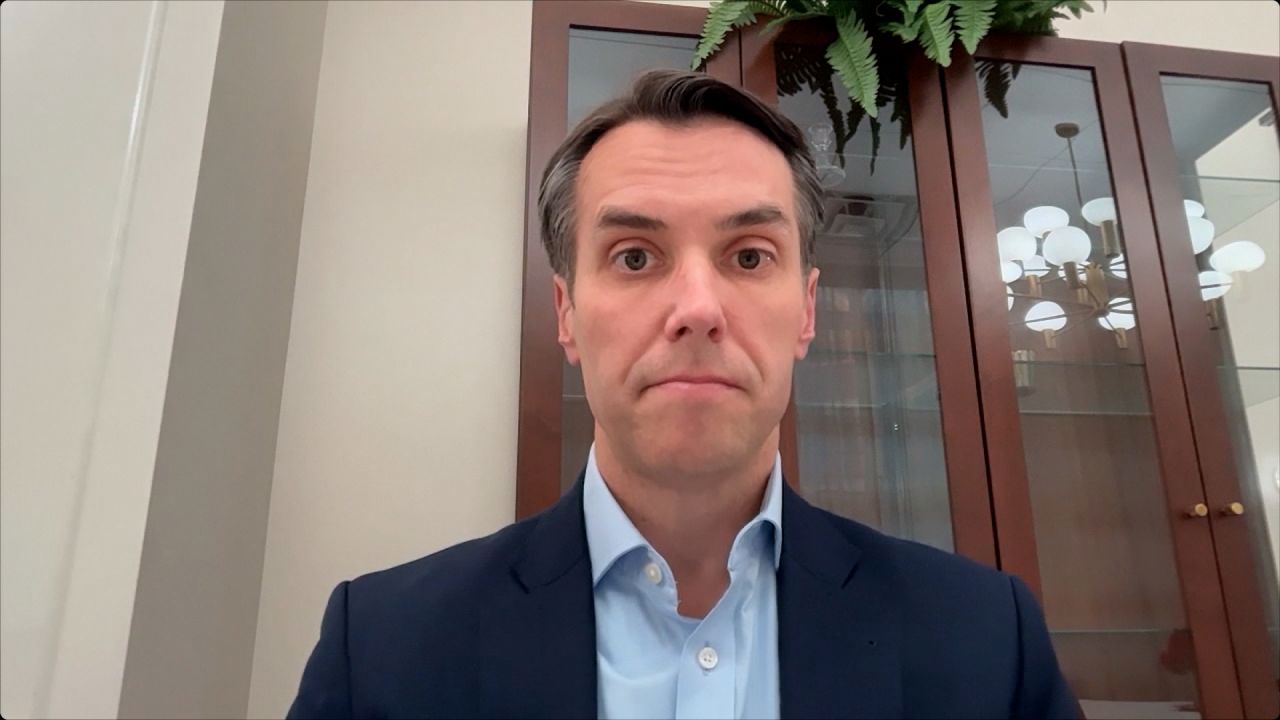
Democratic Representative Morgan McGarvey has pointed to former President Donald Trump‘s tariffs as a key factor in Jim Beam‘s decision to pause production. The well-known bourbon brand, produced by Beam Suntory, announced on June 15, 2024, that it would temporarily halt operations at its distillery in Kentucky. This move follows rising costs attributed to the ongoing trade policies established during Trump’s administration.
The distillery’s pause is expected to impact local employment and the wider economy in Kentucky, a state renowned for its bourbon production. McGarvey emphasized that the tariffs have significantly increased the price of raw materials, making it increasingly difficult for manufacturers like Jim Beam to operate profitably. He stated, “These tariffs are not just a policy issue; they are affecting real jobs and livelihoods in our community.”
In more detail, the tariffs imposed on goods from various countries have led to complications in sourcing essential ingredients, such as grains and barrels. Jim Beam, which is one of the largest bourbon producers globally, has reported that these rising costs could lead to a decrease in production levels and potential job cuts if the situation does not improve.
Impact on the Local Economy
The pause in production at Jim Beam’s distillery is a significant concern for Kentucky’s economy, particularly in the Bourbon Trail region, which attracts millions of tourists each year. McGarvey highlighted that the bourbon industry contributes approximately $8.6 billion annually to the state’s economy and supports tens of thousands of jobs.
With tourism being a crucial aspect of the local economy, any reduction in production could lead to fewer visitors to the distillery and surrounding businesses. The ripple effect could extend beyond Jim Beam, affecting local restaurants, hotels, and shops that rely on bourbon tourism.
Political Reactions and Future Considerations
The implications of Jim Beam’s production pause have sparked discussions among local lawmakers and business leaders. Some are advocating for a reevaluation of tariff policies to alleviate pressure on the bourbon industry. McGarvey expressed hope that the current administration would take steps to address these trade issues, stating, “We need to protect our industry and ensure that Kentucky remains a leader in bourbon production.”
As the situation develops, industry experts are closely monitoring how the tariffs and subsequent production decisions will shape the future of bourbon manufacturing in Kentucky. The outcomes could influence local employment rates and the viability of the bourbon industry in a challenging economic landscape.
In summary, the decision by Jim Beam to pause production underscores the tangible effects of trade policies on American manufacturers. As the community grapples with potential economic fallout, the focus remains on finding solutions that protect jobs and support local industries.