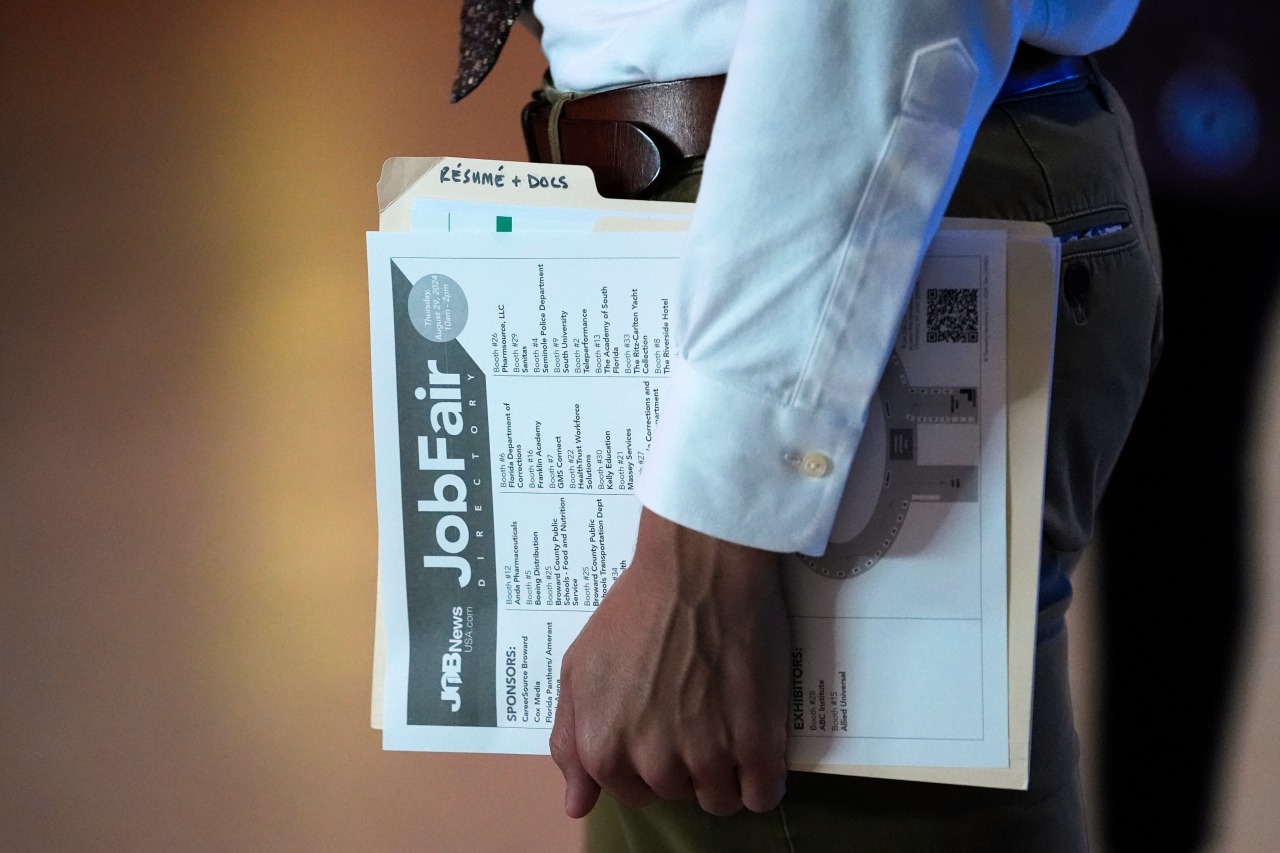
The jobless rate in the United States has seen an increase during Donald Trump’s presidency, echoing historical trends that often reveal challenging economic conditions. In a detailed analysis, the Wall Street Journal explores the implications of this rise, emphasizing the complexities surrounding employment figures and their impact on the political landscape.
Historical Precedents of Joblessness
Historically, fluctuations in unemployment rates have been tied to various economic policies and global events. The current rise in joblessness under Trump’s administration is not entirely unprecedented. Economic downturns, such as the ones experienced during the early 2000s and the 2008 financial crisis, have similarly resulted in increased unemployment figures. Analysts often point to these historical patterns when examining current trends, suggesting that understanding the past can provide valuable insights into present challenges.
As of the latest reports, the unemployment rate stands at approximately 6.5%, which, while lower than the peak experienced during the COVID-19 pandemic, is still a concern for policymakers. The economic ramifications of this rate impact millions of Americans and may influence decisions in upcoming elections.
Emerging Political Figures and Economic Strategy
In recent developments, political strategist Susie Wiles has emerged as a significant figure, potentially playing a role in shaping economic strategy as the nation grapples with rising unemployment. Wiles, known for her work on various political campaigns, is expected to bring a fresh perspective to the discussions surrounding economic recovery.
Additionally, there are whispers about a new candidate for the Federal Reserve, a position that could be pivotal in steering monetary policy during these uncertain times. The Federal Reserve’s decisions will be crucial in addressing the economic challenges presented by joblessness, as they seek to balance inflation concerns with the need for job creation.
Meanwhile, Pete Hegseth, a prominent media personality, reported that the Pentagon has decided not to release video footage of the September 2 boat strike incident. This decision has raised questions about transparency, particularly in a climate where accountability is under scrutiny. The lack of information regarding military actions may further complicate public perception of the government’s handling of both foreign policy and domestic issues, including job growth.
As the nation moves forward, the interplay between economic policy, employment rates, and political maneuvers will undoubtedly shape the future landscape of the United States. With increasing joblessness and evolving political dynamics, the coming months will be critical in determining the trajectory of the American economy and its workforce.