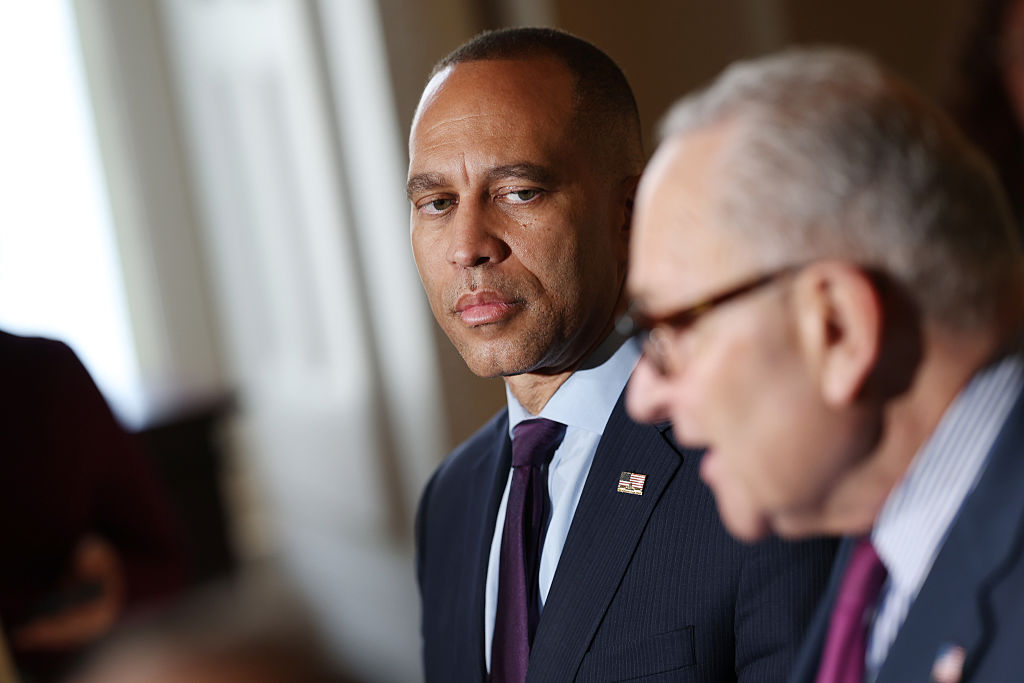
U.S. Vice President JD Vance hosted talks at the White House on January 14, 2024, with the foreign ministers of Greenland and Denmark, alongside U.S. Secretary of State Marco Rubio. The discussions focused on the future of Greenland amid increasing tensions regarding its defense and geopolitical significance.
The meeting reflects a shift in positions among Washington, Copenhagen, and Nuuk as NATO allies work to enhance security in the Arctic region. U.S. President Donald Trump, who previously emphasized the strategic importance of Greenland, has raised concerns about the island’s defenses, citing vulnerabilities that need to be addressed.
Ahead of the meeting, Greenland’s Prime Minister Jens-Frederik Nielsen expressed the territory’s desire to remain part of Denmark. “If we have to choose between the United States and Denmark here and now, we choose Denmark,” he stated. This declaration prompted Trump to respond critically, stating, “That’s going to be a big problem for him.”
In response to growing geopolitical pressures, NATO countries are exploring options to boost their military presence in Greenland and surrounding areas. France announced plans to open a consulate in Greenland on February 6, 2024, signaling an intention to increase its engagement in the region. French Foreign Minister Jean-Noel Barrot remarked, “Greenland does not want to be owned, governed or integrated into the United States. Greenland has made the choice of Denmark, NATO, the European Union.”
Discussions among European countries are ongoing, considering various military options, including troop deployments, naval ships, and anti-drone defense systems. The aim is to establish an Arctic version of the “Baltic Sentry” partnership, which was created in 2024 to enhance NATO’s military presence in the Baltic Sea in response to Russia’s actions in Ukraine.
German Reservists Association chairman Patrick Sensburg suggested that a minimum of 5,000 troops should be deployed to Greenland, emphasizing Germany’s commitment to the mission based on its growing experience in Arctic operations. Meanwhile, the United Kingdom is actively consulting with European allies to deter Russian and Chinese influence in Greenland, with preparations for NATO’s “Cold Response” exercises set to begin on March 9, 2024.
As these discussions unfold, U.S. lawmakers are taking steps to clarify military actions regarding Greenland. Senators from both parties are sponsoring legislation to prohibit military operations using funds appropriated by Congress to occupy or annex any NATO territory, including Greenland. Representative Bill Keating of Massachusetts has introduced a similar measure in the House, which is supported by a bipartisan group in reaction to a proposed Greenland Annexation and Statehood Act by Representative Randy Fine of Florida. This act seeks to authorize Trump to acquire the island and mandate a report on necessary changes to federal law for its potential statehood.
The strategic interest in Greenland has deep historical roots, dating back to World War II when U.S. forces occupied the island to prevent it from falling into Nazi hands. Trump’s renewed focus on Greenland’s significance has intensified since he took office again in January 2025, asserting that the United States must act decisively or risk allowing Russia or China to increase their presence there.