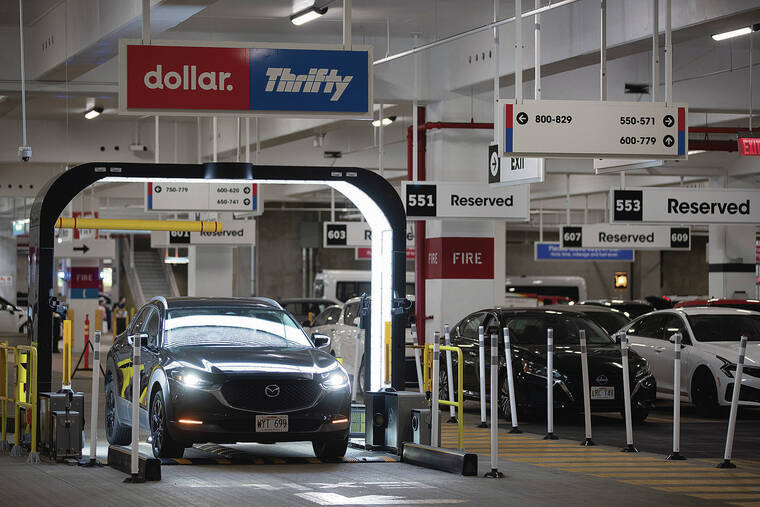
Hawaii lawmakers have proposed new legislation targeting the rental car industry to address significant budget shortfalls, aiming to generate approximately $90 million annually. This revenue could support various needs, including the state’s general fund, Hawaiian homestead development, or retroactive hazard pay for public school teachers who worked during the COVID-19 pandemic.
Multiple bills are under consideration, with proponents arguing that the rental car sector has benefited from a perceived “loophole” in Hawaii’s tax code. Supporters, including teachers, contend that these changes are necessary to ensure fairness in tax contributions. Conversely, rental car companies assert that the proposed tax increases unfairly single them out while other industries enjoy exemptions from similar tax obligations.
Details of the Proposed Tax Changes
The legislation proposes adjusting the General Excise Tax (GET) on rental car fleet purchases from the current 0.5% to 4.5%. This adjustment aligns the rental car industry with the rates applied to wholesalers and other sectors. Recently, four bills advanced following initial committee reviews in both the House of Representatives and the Senate, igniting debate about the implications for the rental car market and tourism.
The Chamber of Progress, a tech industry coalition supporting the legislation, expressed that closing the tax loophole could yield up to an estimated $86.2 million annually. They argue this reform enhances tax fairness, promotes competition, and ends tax advantages that primarily benefit large rental car companies. The organization emphasized that many states, including Oregon and Georgia, have successfully amended their rental car tax structures.
In contrast, the American Car Rental Association has voiced strong opposition to the proposed tax increase. They warn that it would lead to “triple taxation” on rental cars, which already incur a daily surcharge of $7.50 plus the GET on rentals and again when companies sell vehicles after a short usage period. Avis Budget Group has also indicated that the additional tax would raise rental costs for both residents and tourists.
Community Response and Legislative Progress
The proposed bills have garnered mixed reactions from the public. House Bill 2575, which would direct additional tax revenues to the state general fund, received limited public testimony compared to other measures. This bill, introduced by Rep. Jenna Takenouchi, was advanced by the House Transportation Committee on February 10, 2023.
In contrast, House Bill 1937, aimed at providing hazard pay for teachers, has drawn substantial support. Introduced by Rep. Adrian Tam, this bill proposes a $20,000 bonus for teachers who served during the pandemic, which would be distributed over four years starting in 2027. The Hawaii State Teachers Association has backed this initiative, citing the ongoing challenges in retaining educators due to Hawaii’s high cost of living.
The Department of Hawaiian Home Lands has also shown support for funding initiatives through the additional rental car tax, while the state’s Department of Transportation has expressed concerns. The DOT cautioned against diverting tax revenues for non-transportation purposes, arguing that this could hinder future funding for critical infrastructure improvements linked to rental car usage.
As debate continues, lawmakers are weighing the potential impacts of these tax changes on the rental car industry, local businesses, and the broader community. The legislative process remains ongoing, with several bills still under consideration. The outcome will likely shape the financial landscape for both the state and the rental car sector in the coming years.