As Hanukkah 2024 begins, many families are preparing to celebrate the festival of lights, yet this year’s observance carries an additional weight. The rise in antisemitism has cast a shadow over the holiday, prompting reflection on its historical significance and personal traditions.
Historical Context and Meaning of Hanukkah
Hanukkah, also known as the Festival of Lights, commemorates the Jewish victory over Greek oppression in 190 B.C. During this period, the Greeks demanded that Jews finance their military and house soldiers, even placing a statue of Zeus in the Temple courtyard. In defiance, a group of Hasmoneans led by Mattathias initiated a rebellion. Though Mattathias was killed, his son Judah Maccabee took command and led a smaller army of 12,000 against a much larger Greek force of 50,000. Remarkably, after five years of guerrilla warfare, the Maccabees achieved victory.
Upon regaining the Temple, the Jews discovered a small flask of oil that miraculously lasted for eight days, which is why the festival is celebrated for that duration. To commemorate this miracle, families light eight candles on a menorah, using a ninth candle, the shamash, to light the others.
Family Traditions Amidst Challenges
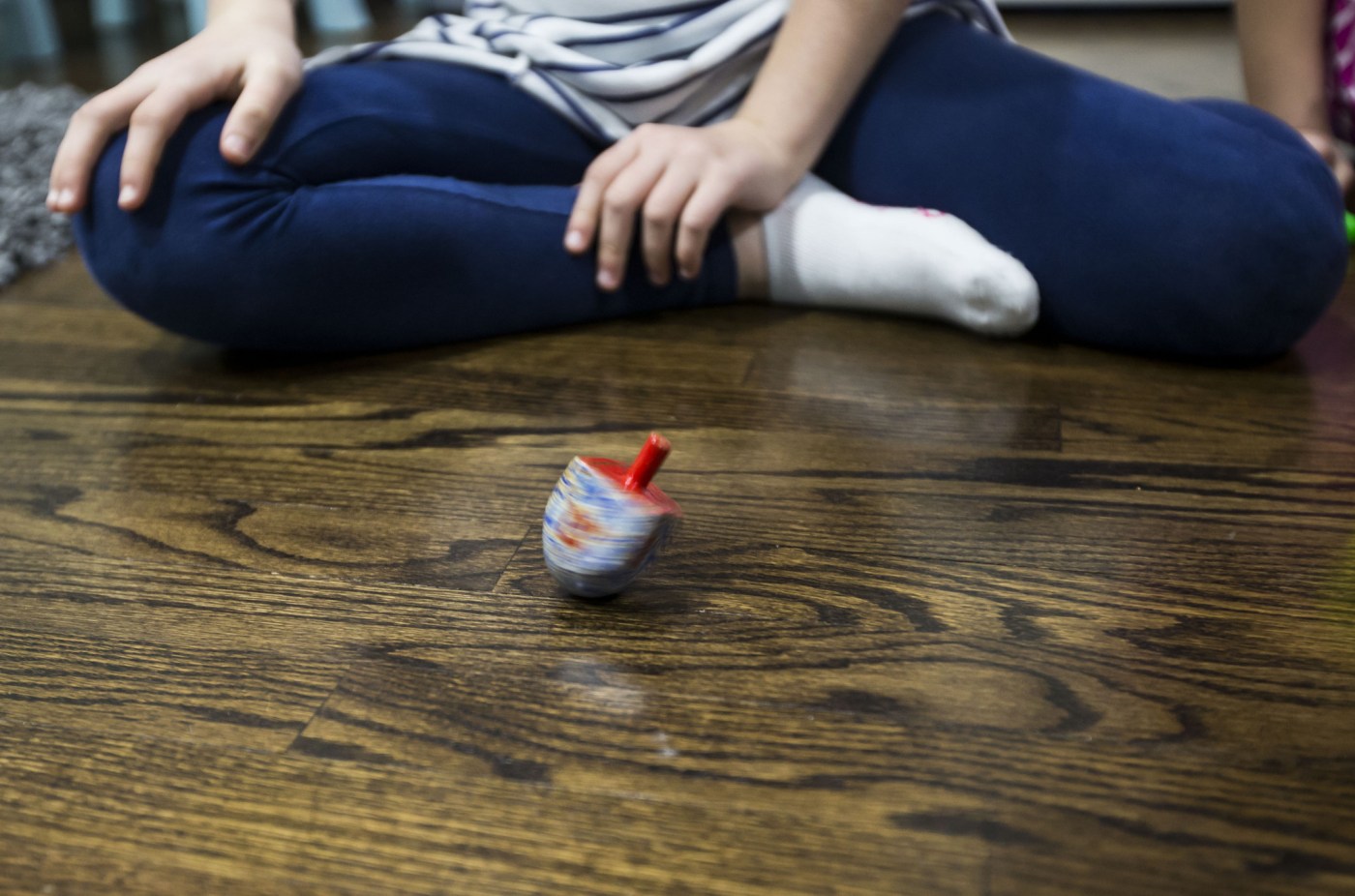
For many, including families like that of Jill Ebstein, the significance of Hanukkah extends beyond the lighting of candles. Traditional practices such as making latkes—crispy potato pancakes often served with apple sauce and sour cream—fill homes with warmth and nostalgia. Playing dreidel, a spinning game involving betting with chocolate coins called gelt, further enriches the festive spirit.
During the candle lighting, families engage in prayers and sing songs, ranging from simple children’s tunes to more complex Hebrew melodies. This year, many will also sing contemporary songs, such as “Light One Candle” by Peter, Paul, and Mary, adding a modern touch to the celebration.
As the festival approaches, Ebstein reflects on the personal significance of Hanukkah. She recalls her father, who passed away just before the holiday 44 years ago, still influencing her family’s observance through shared stories and memories. This year, his words about the persistent threat of antisemitism resonate deeply, particularly given the alarming statistics reported by the Anti-Defamation League.
In 2024, the League documented over 9,300 incidents of antisemitic assault, harassment, and vandalism. Additionally, the FBI reported that, despite Jews constituting only 2% of the U.S. population, they were the targets of nearly 70% of all religion-based hate crimes. These figures highlight a troubling resurgence of antisemitism, particularly on college campuses.
In response, members of the Jewish community are increasingly displaying their identity by wearing symbols such as the Jewish Star. This Hanukkah, families across the globe, including Ebstein’s, will place their menorahs in windows, signaling their heritage to passers-by. Engaging children in discussions about the importance of community and identity has become a priority.
As the festival unfolds, Ebstein hopes for a future where her father’s concerns about antisemitism will not echo as loudly. She expresses a desire for progress, envisioning a time when the messages of resilience and unity associated with Hanukkah will shine brighter than the shadows of hate.
This year, as families light their candles, they are reminded of the fight for freedom and identity, echoing the Maccabees’ defiance with their own declaration: “Enough.”