Republican Party officials are expressing significant concern regarding the potential for Democratic gains in traditionally Republican strongholds. As the 2026 midterm elections approach, lower-than-expected polling numbers for the GOP and reports of candidates not fully engaging in their campaigns are causing alarm among Republican strategists. A special election taking place on Tuesday in Tennessee’s 7th Congressional District is viewed as a barometer for the upcoming elections, with GOP members fearing it may be trending toward a Democratic victory.
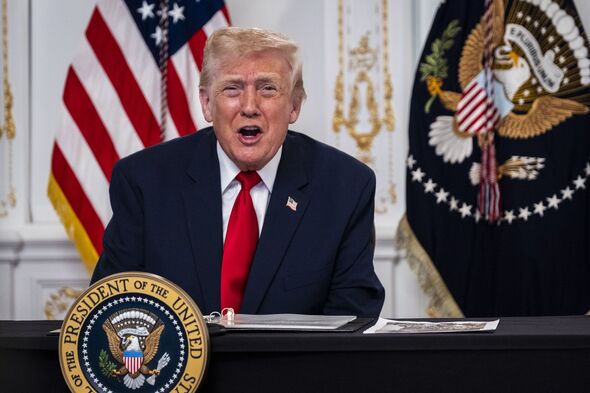
Hakeem Jeffries, the House Minority Leader for the Democratic Party, indicated that his party has been “over-performing” in regions that had previously shifted to support former President Donald Trump during the 2024 election. Jeffries noted, “Democrats have been over-performing the 2024 Trump numbers since the very beginning of his presidency, starting in late January in Iowa, where we flipped a district that Donald Trump had just won.” His remarks highlight the shifting political landscape in areas once considered safe for the Republican Party.
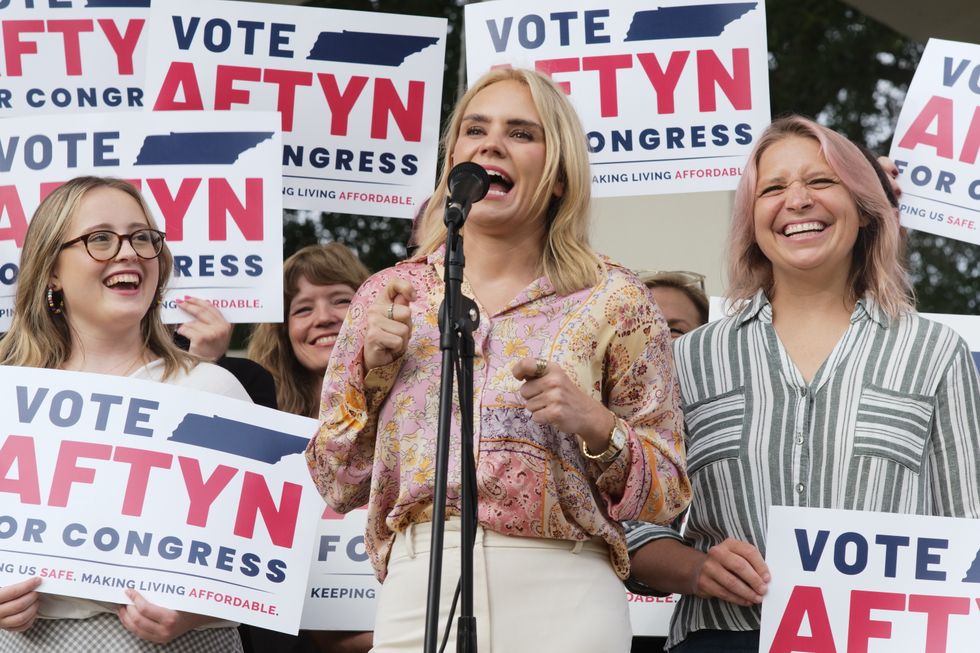
In the race for the Tennessee state representative seat, Republican candidate Matt Van Epps is expected to emerge victorious. However, Democrat Aftyn Behn is reportedly performing better than anticipated, raising concerns among GOP officials. In several key races, Republicans are trailing significantly, prompting strategists to reassess their campaign strategies.
An insider involved in the campaign of Republican Andy Ogles expressed skepticism regarding Ogles’ fundraising efforts, stating that the financial disparity between his campaign and that of his Democratic opponent could be insurmountable. The strategist remarked, “He’s raising like no money. You can’t just lie around and do nothing. That’s how you lose any race — primary or general.” This sentiment underscores the critical role that campaign financing plays in the electoral process.
Additionally, Richard Hudson, chair of the National Republican Congressional Committee, echoed these concerns. He emphasized that a campaign’s strength is heavily reliant on its financial backing, stating, “Obviously, the more money you have in your campaign account, the stronger you are, the more opportunity you have to communicate with the voters. You might have raised a red flag for me.”
Democratic Governor Andy Beshear suggested that a shift among Trump voters from red to blue could be evident in the upcoming midterms. Beshear attributed this potential realignment to what he described as Trump’s “betrayal” of his base. He stated, “When you look at that flip of Trump voters, it’s both that our candidates were more focused on where people are right now — I’m trying to make their lives a little bit easier and a little bit better — and Donald Trump has betrayed them with the way he’s governed this last year.”
As the political landscape evolves, both parties are gearing up for what could be a contentious electoral cycle. The outcomes of upcoming races, particularly in traditionally Republican areas, will be critical in shaping the future of both the GOP and the Democratic Party in the 2026 midterms.