A new legislative proposal in Florida aims to restrict the use of emergency funds for immigration enforcement. On Monday, the House Transportation and Economic Development subcommittee unanimously approved a bill that would prevent the state’s Emergency Preparedness and Response Fund from being allocated to immigration initiatives, a significant shift from the more stringent anti-illegal immigration policies promoted by Republicans just a year ago.
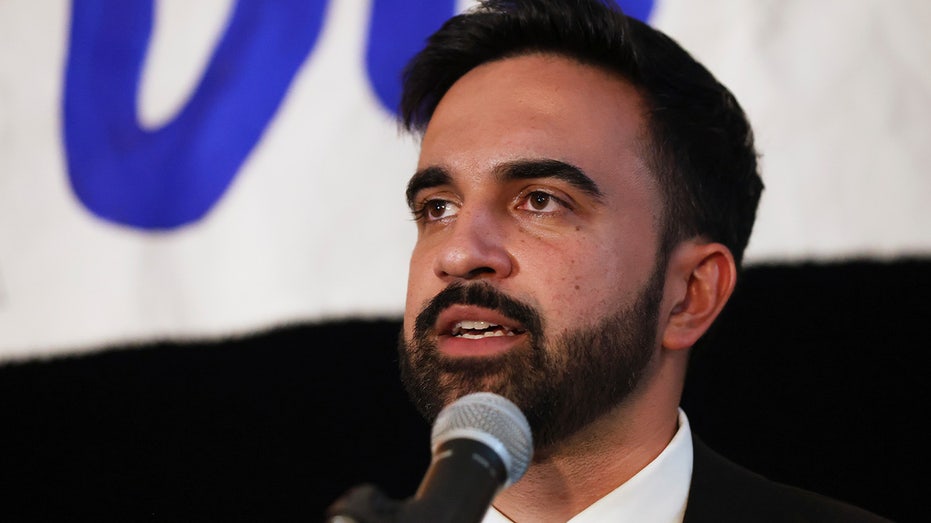
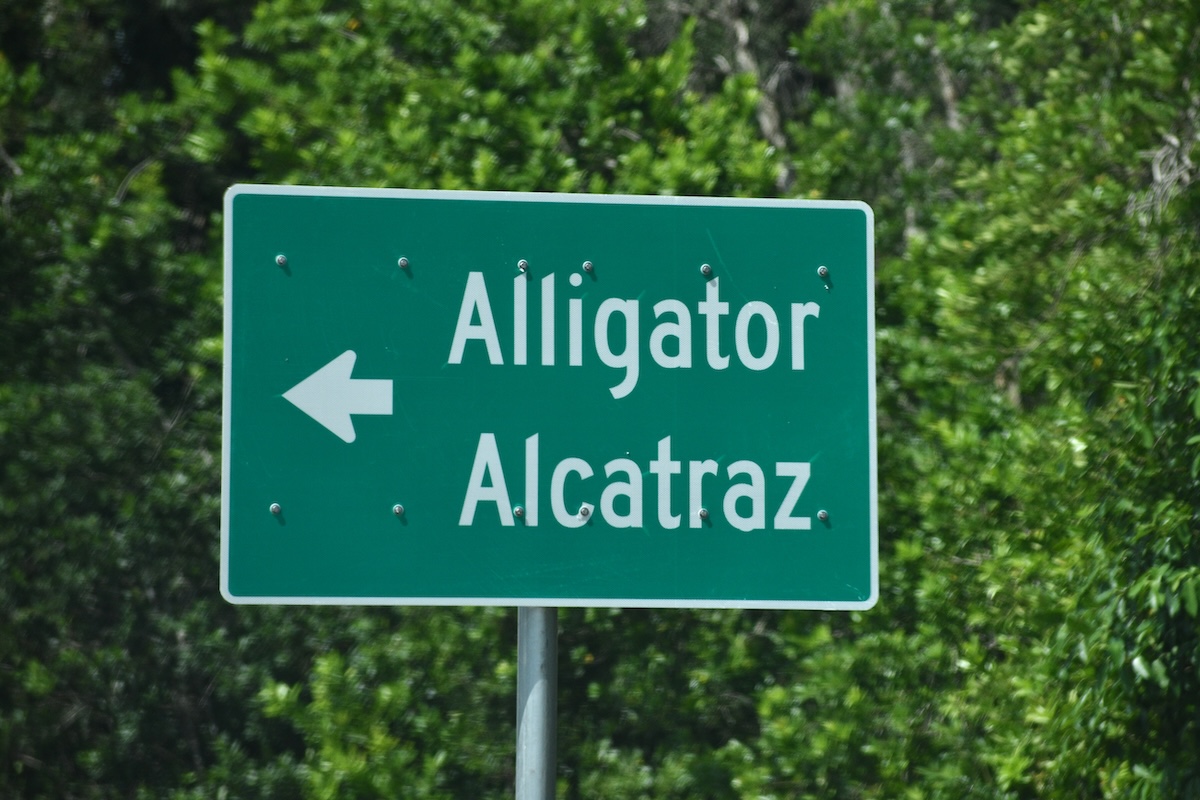
Rep. Griff Griffits, a Republican from Panama City Beach and the bill’s sponsor, emphasized that the proposed legislation would ensure funds are reserved exclusively for natural disasters. “This bill would prohibit funding for ‘Alligator Alcatraz’,” he stated, referring to the controversial migrant detention facilities. He added that if immigration issues arise, the governor could reconvene the legislature for a special session to address them.
The bill, known as PCB TED 26-02, received overwhelming bipartisan support in the House, marking an unusual alignment of House Republicans and Democrats against Gov. Ron DeSantis. This development comes amid ongoing tensions between the legislature and the governor over authority and funding priorities. The DeSantis administration has publicly criticized the measure, arguing that it undermines the state’s efforts to combat illegal immigration.
Attorney General James Uthmeier took to social media to voice opposition, stating, “@GovRonDeSantis —in part through his emergency powers—has led the country in combating illegal immigration and its dangers. So…let’s take this authority away? Moronic.”
The bill aims to redefine the scope of the Emergency Preparedness and Response Fund, originally established in 2022 to facilitate quick responses to emergencies without needing legislative approval. Since January 2023, the Florida Division of Emergency Management has spent over $573 million on immigration enforcement, including significant expenditures for detention centers, private flights, meals, and legal fees.
Democrats have criticized these expenses as an “abuse” of public funds, likening the situation to a “slush fund.” In light of these concerns, Griffits defended the bill, stating that the fund should only be used for issues related to natural disasters. He noted, “That [immigration] problem is going away with President Trump. He has shut the flow down.”
The proposed legislation is designed to ensure that only natural disasters—such as hurricanes, tornadoes, and floods—would qualify for funding. If enacted, it would require the governor to submit quarterly reports on the fund’s financial health. Additionally, any federal reimbursements would need to be allocated to the Legislature’s General Revenue Fund, and purchases of aircraft or boats would be prohibited. The fund is set to expire on July 1, 2030, although the existing fund will lapse at midnight on Tuesday.
The Senate recently voted to maintain the current structure of the fund, which raises questions about whether the two chambers will reach an agreement in time. This ongoing conflict highlights the complexities of governance in Florida, where the legislative and executive branches continue to grapple over critical funding and policy decisions.